
Gifts That Grow With Them
An Age-by-Age Montessori Guide to Thoughtful Giving
From first discoveries to lifelong passions, a collection of ideas for infants, toddlers, children, and adolescents.
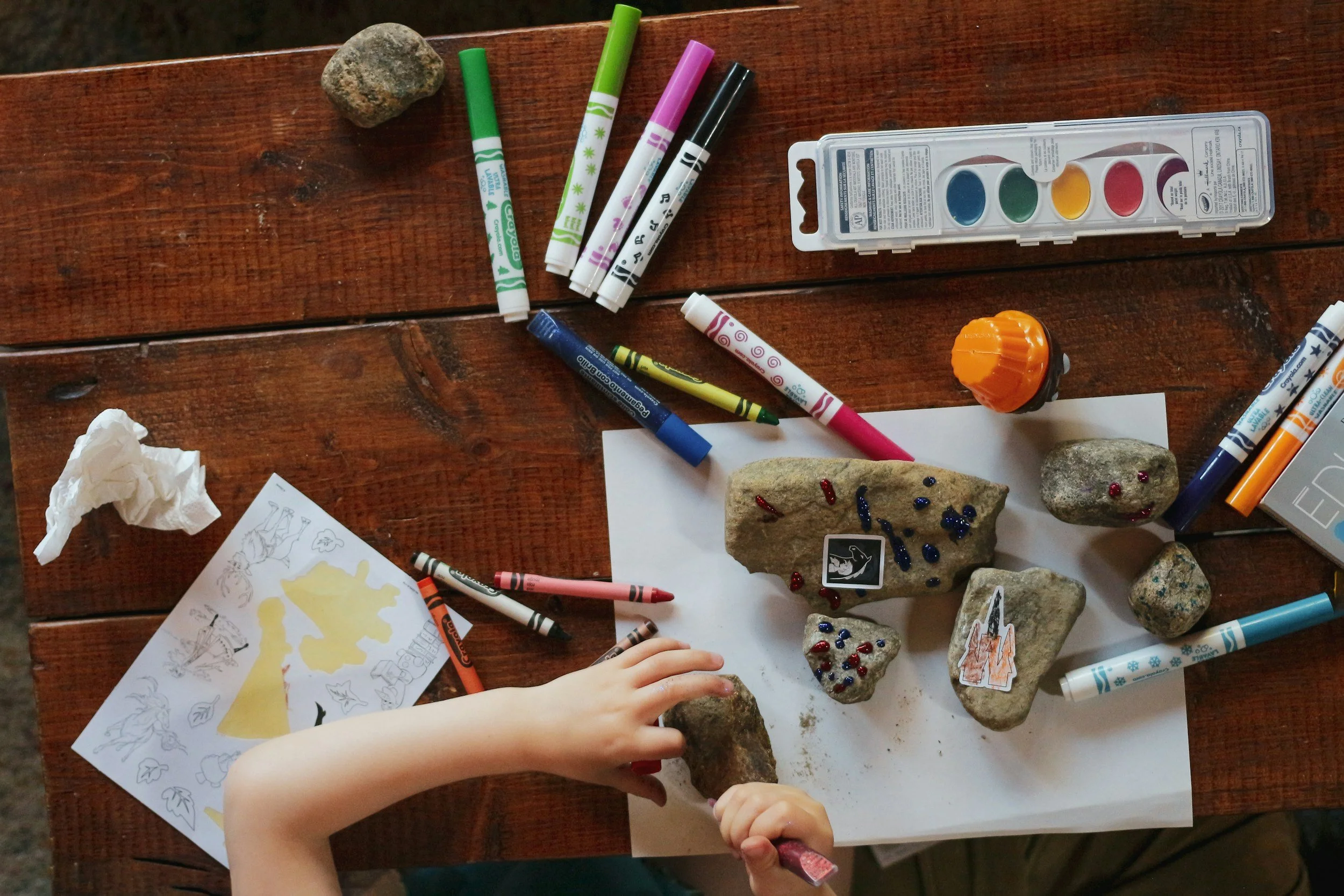
The holidays have a way of filling our homes with anticipation. There are lists to make, packages to wrap, and the familiar excitement of imagining what might bring a smile to someone we cherish. Yet among the countless possibilities, the most memorable gifts are not always the ones that arrive in a box.
A first horseback riding lesson. A set of watercolor paints that becomes the beginning of a new hobby. A cookbook with handwritten notes from a grandparent. A membership that promises adventures throughout the year. Sometimes, the greatest gift is an invitation to discover something about ourselves that we didn't know was there.
In Montessori education, we spend a great deal of time observing children. We notice what captures their attention, what challenges them, what they return to again and again, and where their growing independence is leading them. The same thoughtful observation can guide us when choosing gifts.
Rather than asking only, What would my child like to receive? we might also ask, What is my child curious about? What are they ready to try? What might help them feel capable, creative, or connected to the world around them?
With that spirit in mind, we've gathered gift ideas for every stage of childhood, from our youngest Nido students to the adolescents finding their place in the wider world.
These are suggestions rather than shopping lists. No particular purchase is necessary to support a child's development, and some of the loveliest ideas cost very little.
Infant & Toddler | Birth to Age 3
The gift of discovery, movement, and belonging
For infants and toddlers, the world itself is an extraordinary place. The sound of a familiar voice, the movement of a rolling ball, the texture of a wooden spoon, or the satisfaction of carrying something independently can capture their attention far longer than an elaborate toy.
During these early years, children are developing movement, language, coordination, and a growing awareness of their surroundings. Montessori gifts are often simple, thoughtfully made, and suited to what the child can do at their particular stage of development.
Thoughtful gifts for little hands
Books about the real world. Sturdy board books with photographs or realistic illustrations of animals, families, foods, vehicles, daily routines, and familiar places. Books featuring real people and recognizable experiences are particularly appealing to young children who are learning to name and understand their world.
Simple materials for movement and exploration. Soft balls, grasping toys, stacking objects, nesting cups, sturdy blocks, and age-appropriate puzzles.
Child-sized practical tools. A small watering can, a soft brush, a little apron, or a sturdy basket for collecting and carrying objects. For older toddlers, these can become invitations to participate in household activities.
Musical experiences. Singing together, gentle movement classes, or simple, appropriately sized percussion instruments.
Art materials for emerging creators. Large paper, washable crayons, and other materials selected for the child's developmental abilities and used with appropriate supervision.
A collection of family photographs. A small album with pictures of familiar people, pets, and places. Children often delight in recognizing and naming the people who are important to them.
Experiences worth giving
A parent-child music class, a visit to a farm, a children's garden, a morning at a nature center, or a family membership to a museum can provide opportunities for exploration without adding another toy to the shelf.
Even an ordinary outing can become an adventure when we allow enough time for a toddler to investigate a puddle, watch a passing truck, or examine a pinecone.
A Montessori thought: At this age, fewer carefully chosen materials are often more useful than an abundance of options. Consider what encourages movement, language, exploration, and the child's desire to participate in everyday life.
Primary | Ages 3–6
The gift of independence, imagination, and purposeful activity
Primary-age children are eager to do things for themselves. They want to pour, measure, prepare, wash, arrange, build, and discover how things work. Their delight often comes not from the finished product, but from the satisfaction of mastering a process.
This is a marvelous age for gifts that offer genuine responsibility, invite repetition, and encourage concentration.
Thoughtful gifts for growing independence
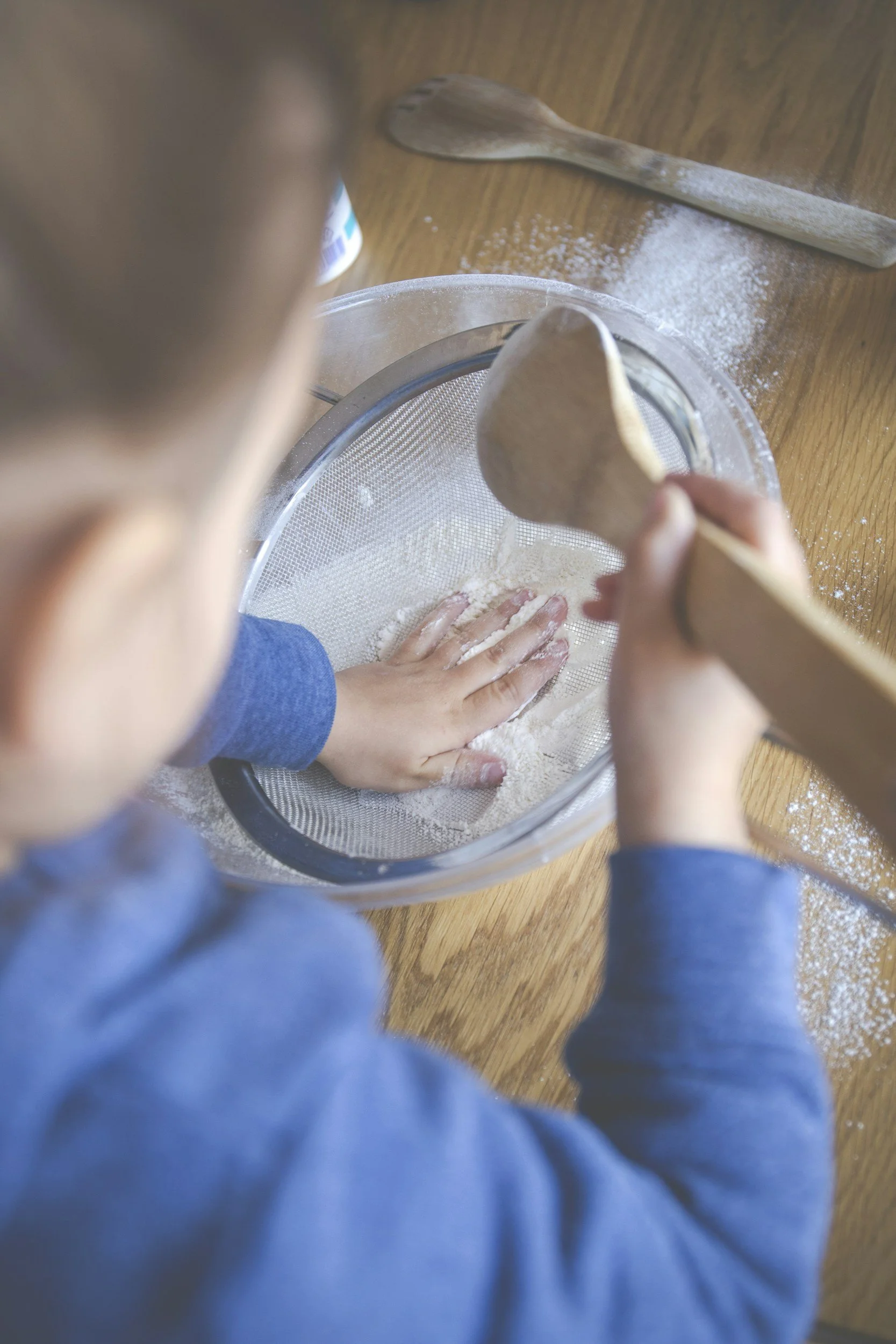
Real cooking and baking tools. A child-sized apron, a small rolling pin, measuring cups, a mixing bowl, a vegetable brush, or appropriately sized kitchen utensils. Pair them with a simple recipe and the opportunity to prepare something for the family.
Gardening supplies. A watering can, gardening gloves, a small trowel, seed packets, or a pot for growing herbs indoors.
Art and handwork materials. Watercolors, quality paper, modeling clay, weaving materials, simple sewing cards, and child-appropriate tools for cutting and assembling.
Construction and problem-solving materials. Wooden blocks, increasingly complex puzzles, and open-ended building sets.
Nature exploration tools. A magnifying glass, binoculars suited to small hands, a collection basket, or a nature identification book.
Books rooted in reality. Beautifully illustrated stories about everyday life, animals, the natural world, communities, occupations, and cultures. Nonfiction books can be especially engaging for children who are developing an understanding of how the world works.
Experiences worth giving
Swimming lessons, beginner gymnastics, dance, music instruction, children's cooking classes, gardening workshops, or an introduction to horseback riding with an age-appropriate instructor can open the door to new interests.
A visit to a working farm, a pottery studio, a botanical garden, or a children's theater performance can be equally memorable.
One particularly thoughtful gift is a day of doing something together. Choose a recipe, shop for the ingredients, prepare the meal, and invite the child to help serve it. The shared experience becomes part of the gift.
A Montessori thought: Children of this age often prefer authentic participation over imitation. A real whisk, a small broom, or the opportunity to arrange flowers for the dinner table may offer greater satisfaction than a toy version of the same activity.
Elementary | Ages 6–12
The gift of curiosity, craftsmanship, and adventure
Something remarkable happens during the Elementary years. Questions become larger, interests become more specialized, and children begin to imagine possibilities beyond their immediate surroundings.
They want to know why things happen, how people lived long ago, what lies beyond the stars, and whether they might be capable of building, inventing, or creating something entirely their own.
This is a particularly exciting age for gifts that support research, hands-on projects, outdoor adventures, and the development of personal interests.
For the makers, artists, and inventors
Consider materials that allow children to learn a craft rather than simply complete a predetermined project.
Sewing and embroidery: fabric, embroidery hoops, thread, needles, and beginner patterns.
Knitting, crochet, and weaving: yarn, looms, and appropriately sized tools.
Pottery and ceramics: clay, sculpting tools, or a class at a local studio.
Woodworking and construction: real tools selected for the child's experience, with instruction and adult supervision.
Drawing and painting: quality pencils, sketchbooks, watercolors, pastels, or acrylic paints.
Jewelry making: beads, wire, clasps, and materials for creating original designs.
Model building and engineering: architectural kits, mechanical models, circuits, and age-appropriate robotics.
Photography: a beginner camera, photo journal, or the opportunity to learn composition and editing.
The emphasis need not be on purchasing an elaborate kit. A small collection of quality supplies, paired with time to experiment, can support months of creative work.
For the researchers and explorers
Books can become the starting point for remarkable investigations.
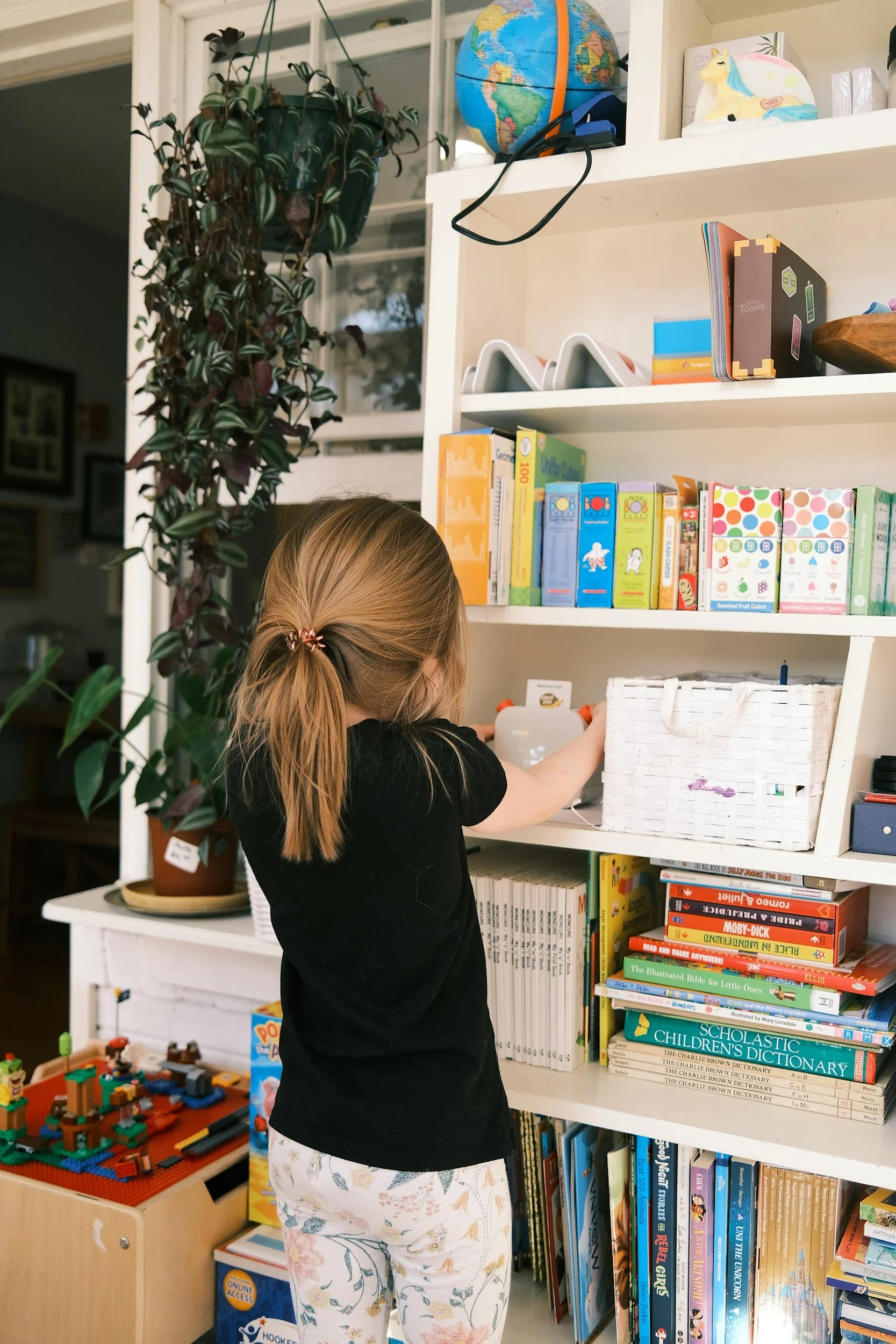
Look for illustrated atlases, biographies, field guides, historical accounts, mythology, astronomy books, science encyclopedias, and detailed nonfiction on subjects that fascinate your child.
A child interested in birds might appreciate a field guide, binoculars, and a notebook for recording sightings. A budding astronomer might enjoy a star chart and a visit to a planetarium. A young historian might be thrilled by a museum membership or a trip to a historic site.
At this age, imaginative literature also becomes an important avenue for exploring other perspectives, places, and possibilities. Rich novels, poetry, and stories from different cultures can sit alongside nonfiction on the bookshelf.
Experiences worth giving
Horseback riding lessons or an introduction to equestrian care
Cooking, baking, or pastry-making classes
Art, ceramics, photography, or woodworking workshops
Music lessons or the chance to learn a new instrument
Rock climbing, skiing, skating, martial arts, or a new team sport
Theater, dance, or improvisation classes
Coding, robotics, or engineering workshops
Camping trips, nature programs, or outdoor adventure courses
Museum memberships and tickets to live performances
An experience can be especially rewarding when children have a voice in choosing it. Offering two or three possibilities allows them to consider their interests and take part in the decision.
A Montessori thought: Elementary children are increasingly capable of pursuing complex interests over time. Rather than providing every answer or completing the project for them, offer resources, encouragement, and the freedom to work through challenges.
Adolescent | Ages 12–18
The gift of self-expression, capability, and independence
Adolescence brings a different kind of discovery. Young people are developing a stronger sense of identity, exploring their values, cultivating friendships, and considering how they might contribute to the world beyond their families.
Their interests may be deeply personal, and the gifts that resonate most often reflect a growing desire for autonomy, competence, and authentic experiences.
A thoughtful gift at this stage communicates something important: Your interests matter. Your ideas deserve attention. We trust you to explore what comes next.
For creative pursuits and craftsmanship
Adolescents may appreciate the opportunity to invest more seriously in an emerging skill or passion.
Professional-quality drawing, painting, or illustration supplies
Sewing machines, fabric, and clothing design materials
Knitting, crochet, embroidery, quilting, or textile arts
Pottery wheels or ceramics studio memberships
Jewelry-making, metalsmithing, or leatherworking classes
Photography equipment or a photography course
Musical instruments, recording equipment, or music lessons
Woodworking tools and instruction
Culinary equipment, cookbooks, or specialized cooking classes
Creative writing workshops, journals, and literature selected around personal interests
For young people who already enjoy making things, an upgrade to a tool they use regularly may be more appreciated than a completely new hobby.
Experiences that build confidence
Adolescents are often ready for experiences that require planning, perseverance, and responsibility.
Consider horseback riding, outdoor leadership programs, climbing, skiing, snowboarding, mountain biking, wilderness skills, or other sports they are interested in trying.
Cooking classes, culinary workshops, music instruction, theater productions, and photography courses can provide opportunities to develop skills alongside peers and mentors.
For an adolescent interested in a particular field, a visit to a working studio, farm, business, university program, or professional workshop may offer valuable insight into how an interest can become a lifelong pursuit.
Gifts that encourage independence
Sometimes the most significant gift is a new responsibility accompanied by the resources to carry it out.
A budget to plan and prepare a family dinner. Materials to start a small business. A contribution toward a personal project. A chance to organize an outing with friends. The opportunity to volunteer for a cause they care about or participate in a community initiative.
A weekend adventure that the adolescent helps research, budget, and organize can offer more than a memorable trip. It provides practice in decision-making, communication, problem-solving, and navigating the unexpected.
A Montessori thought: Adolescents need opportunities to see that their efforts have value in the wider world. Gifts that support meaningful work, personal initiative, and real responsibility can affirm their growing capabilities.
The Gift of an Experience
Across every age group, experiences deserve a special place in our thinking.
A lesson can introduce a lifelong passion. A membership can turn an ordinary weekend into an adventure. A shared outing can strengthen relationships while inviting children to encounter something unfamiliar.
And unlike many material gifts, experiences can continue unfolding long after the holidays have passed.
A few possibilities for families to consider:
Learn something new: horseback riding, swimming, music, cooking, dance, ceramics, woodworking, photography, or a new sport.
Explore somewhere new: museums, science centers, farms, gardens, historical sites, nature preserves, or cultural performances.
Create something together: a family cookbook, a garden, a quilt, a birdhouse, a collection of handmade gifts, or a piece of furniture.
Make room for adventure: camping, hiking, skiing, stargazing, a train journey, or an overnight trip planned together.
Give the gift of time: a monthly outing with a grandparent, a standing library date, an afternoon devoted to a shared hobby, or a promise to learn a skill alongside one another.
For relatives who enjoy giving something tangible, an experience can still be wrapped. A recipe tucked inside an apron might announce a cooking class. A sketchbook could accompany art lessons. A field guide might reveal plans for a family nature excursion.
The object becomes an invitation to what comes next.
A Few Thoughts on Choosing Well
Montessori does not ask us to fill our homes with specialized educational products. In fact, some of the most useful materials are ordinary objects that allow children to participate more fully in life.
As you consider gifts, a few questions may help guide your choices.
Does this reflect the child's actual interests? A gift need not introduce something new. It can also deepen an existing passion.
Will it invite active participation? Consider materials that encourage creating, investigating, practicing, building, or moving rather than simply watching.
Is it suited to the child's current abilities? The most engaging challenge is one that offers room for growth without becoming discouraging or unsafe.
Will it continue to be useful? Quality tools, open-ended materials, books, and ongoing experiences often offer possibilities beyond a single afternoon.
Does it create an opportunity for connection? A gift may become even more valuable when it invites someone to teach, accompany, encourage, or learn alongside the child.
And perhaps most importantly, does it leave room for the child to make it their own?
The aim is not to turn every present into a lesson or every activity into an accomplishment. Childhood deserves delight, spontaneity, humor, and the pleasure of receiving something simply because it brings joy.
Additional Montessori Resources for Families
For those interested in exploring further, the following resources offer additional ideas and perspectives on developmentally appropriate gifts and activities. All links lead directly to the organizations' websites.
Montessori Friendly Gift Guide | Claire Paglia
Written by an AMI-trained Primary educator, this guide explores experience gifts, books, and meaningful alternatives to conventional toys, with suggestions for younger and Elementary-age children.
Holiday Gifts: What Do Children Need? | Indiana Montessori Academy
A resource organized by developmental stage, including birth–3, ages 3–6, and ages 6–12. It offers ideas for creating environments that support independence and purposeful activity.
An accessible reflection on choosing gifts according to children's interests and abilities, with particular attention to experiences, affordability, and meaningful connection.
Understanding Montessori Development | Association Montessori Internationale (AMI)
For families who would like to learn more about the developmental needs of infants, Primary-age children, Elementary students, and adolescents, AMI offers educational resources across all four stages.
A Final Thought
A child's interests are rarely static. The toddler who spends an afternoon gathering stones may become the Elementary student fascinated by geology. The young child who delights in mixing ingredients may discover a passion for baking. The adolescent who receives a camera might begin seeing familiar surroundings through an entirely different lens.
We cannot always predict which interests will endure, which experiments will become passions, or which unexpected opportunities will influence the people our children become.
What we can do is pay attention.
We can offer materials worth exploring, experiences worth trying, and the encouragement to pursue something that matters to them. We can recognize the value of their efforts, celebrate their growing abilities, and occasionally allow ourselves to be surprised by what they teach us.
This holiday, may the gifts we choose reflect not only our affection for the children in our lives, but also our genuine interest in who they are.
With warm wishes from Mountain Shadows International Montessori School.