Finding wonder, understanding, and meaningful learning in the spookiest season of the year.

October brings a special kind of magic to childhood. Pumpkins appear on porches, leaves crunch beneath little feet, and familiar neighborhoods transform with skeletons, spiderwebs, witches, ghosts, and glowing jack-o'-lanterns.
For many children, Halloween is a season of tremendous excitement. For others, it can bring uncertainty, big questions, or even a little fear. And for families, it often raises an interesting question: How do we celebrate the imagination and playfulness of Halloween while honoring the Montessori approach to reality, fantasy, and child development?
The answer isn't that children shouldn't enjoy Halloween, dress up, tell stories, or delight in the season. Quite the opposite! Halloween offers wonderful opportunities to nurture curiosity, develop independence, practice grace and courtesy, explore cultural traditions, and deepen our understanding of the natural world.
The key is recognizing that children experience the season differently depending on their stage of development.
The Young Child's Developing Understanding of Reality
Dr. Maria Montessori observed that children in the first plane of development, from birth to approximately age six, are deeply engaged in constructing their understanding of the real world.
During these early years, children are absorbing information from their surroundings, making connections, developing language, and discovering how the world works. They are especially interested in naming, categorizing, and understanding the things they encounter.
Young children also enjoy pretend play and imaginative experiences. However, their ability to consistently distinguish fantasy from reality is still developing.
An adult might immediately recognize a plastic skeleton hanging from a tree as a playful Halloween decoration. A three-year-old may have a very different experience.
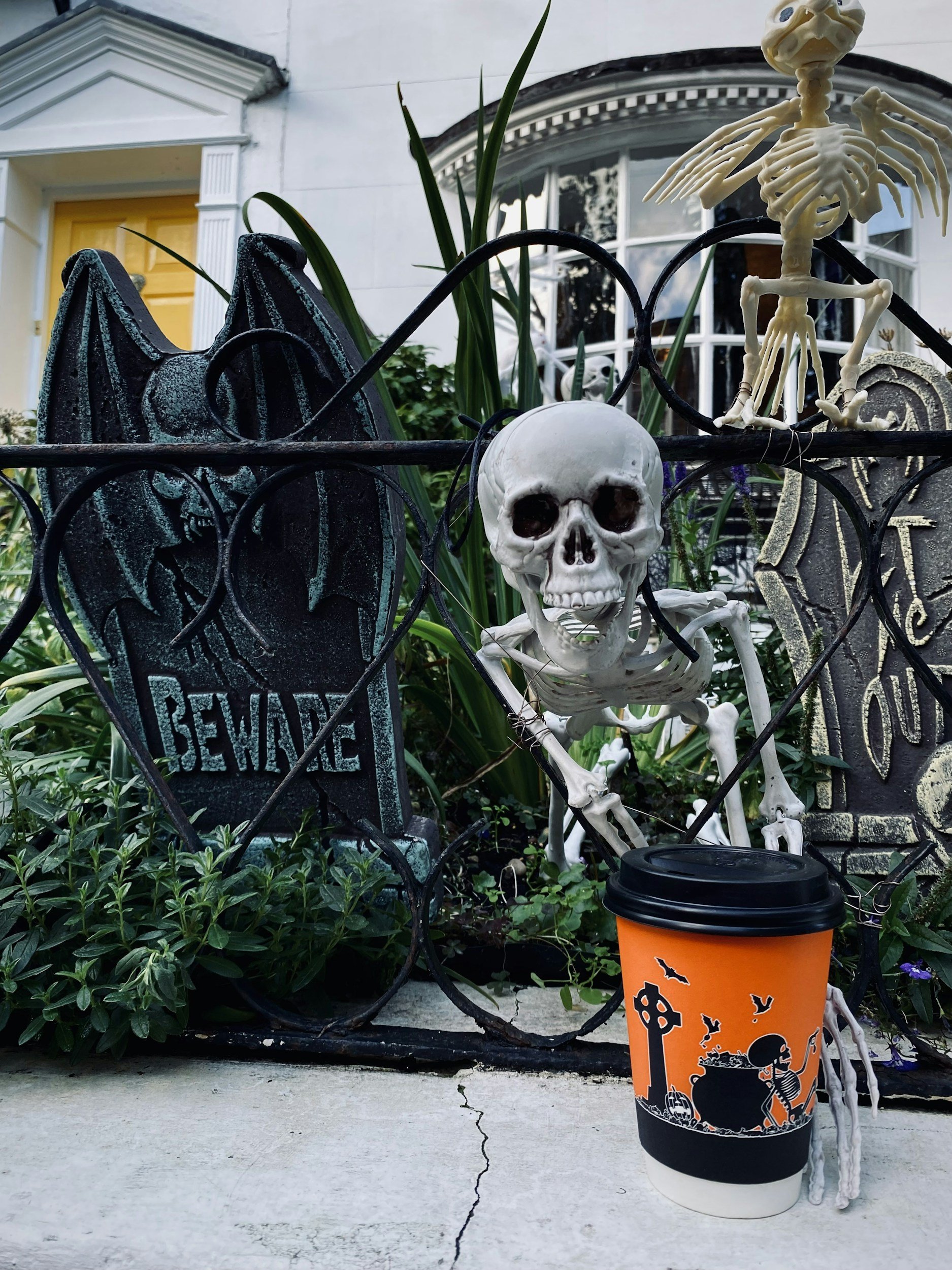
Is that a real skeleton? Can it move? Why is it hanging there? Is it going to come after me?
Similarly, a child who encounters a person dressed as a witch or monster may not immediately understand that a familiar human being is simply wearing a costume.
This doesn't mean we need to eliminate fantasy or shield children from every unfamiliar experience. It means we can approach their questions with respect, clarity, and sensitivity.
Instead of dismissing a child's fear with "Don't be silly, it's not real," we might offer a simple explanation:
"That's a decoration someone made for Halloween. It's made of plastic, and it cannot move on its own."
Or:
"That's a person wearing a costume. They're pretending to be a monster, but they're still a person underneath."
These small conversations help children build trust in their own observations and in the adults who guide them.
Montessori education invites us to begin with reality, not because imagination is unimportant, but because a strong understanding of reality provides a foundation for increasingly rich and meaningful imagination.
Finding the Real Wonder Behind Halloween!
One of the most delightful aspects of Halloween is that nearly every spooky symbol has a fascinating connection to the real world.
Rather than simply telling children that something isn't real, we can invite them to discover what is real.
Skeletons: Discovering the Human Body
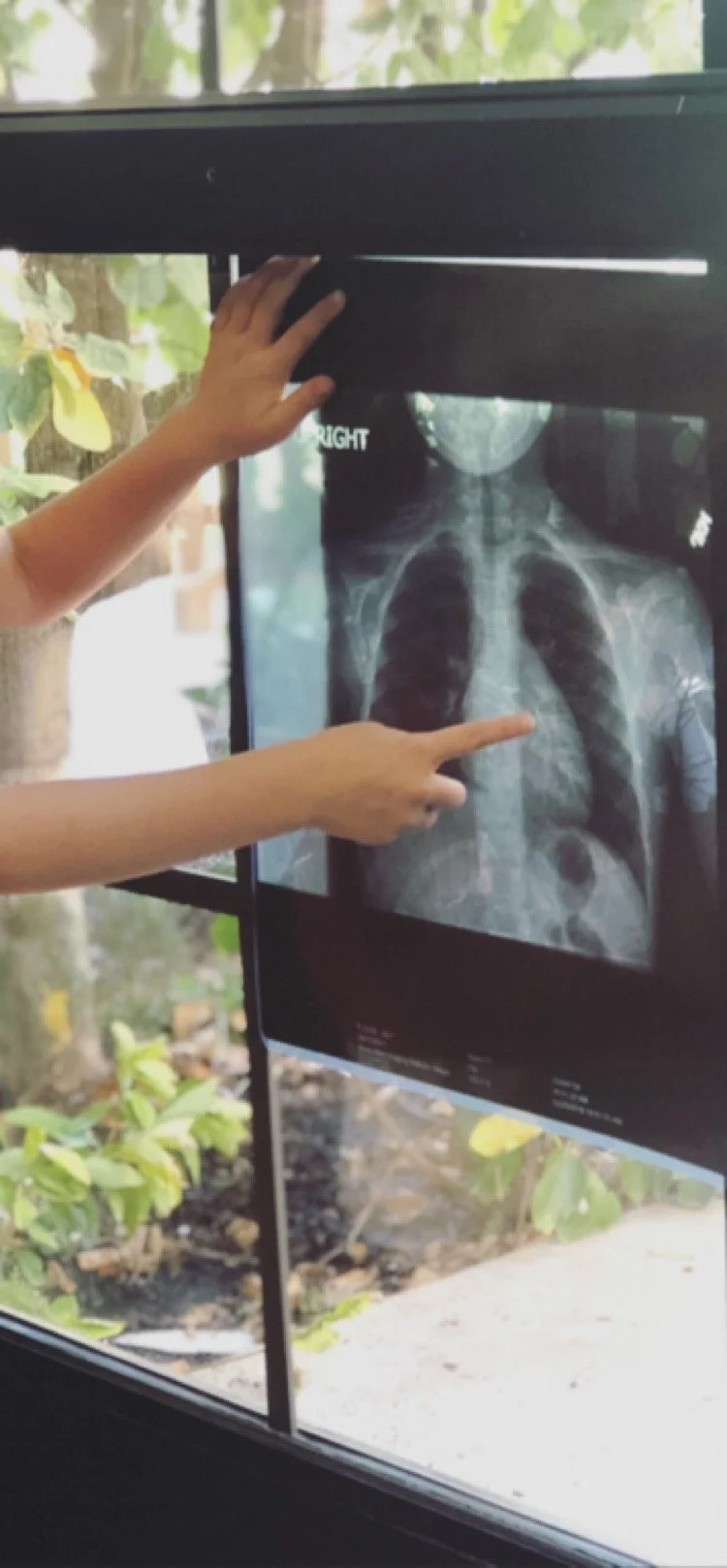
A skeleton hanging on a porch might initially seem frightening. But it can also spark an extraordinary conversation about the human body.
We all have skeletons! Our bones give our bodies structure, protect important organs, and work with our muscles to help us move.
A child might enjoy discovering that the femur is the longest bone in the human body, that the skull protects the brain, or that the ribs help protect the heart and lungs.
For younger children, simply identifying bones and feeling the hard structure beneath their skin can be fascinating. Older children may explore anatomy, compare animal skeletons, or investigate how bones grow and heal.
Suddenly, that spooky skeleton becomes an invitation to understand ourselves.
Bats: Marvels of the Night Sky
Bats are frequently portrayed as mysterious or frightening creatures, but the real animals are far more interesting than their Halloween reputations suggest.
Bats are mammals, and many species use echolocation to navigate and locate food in darkness. They also play important ecological roles, including controlling insect populations, pollinating plants, and dispersing seeds.
Young children may enjoy looking at realistic photographs, comparing bat wings with bird wings, or learning what bats eat.
Elementary children can investigate echolocation, nocturnal adaptations, and the ecological importance of bats.
What begins as a Halloween decoration can become a lesson in biology, conservation, and respect for living things.
Spiders: Small Creatures With Important Work
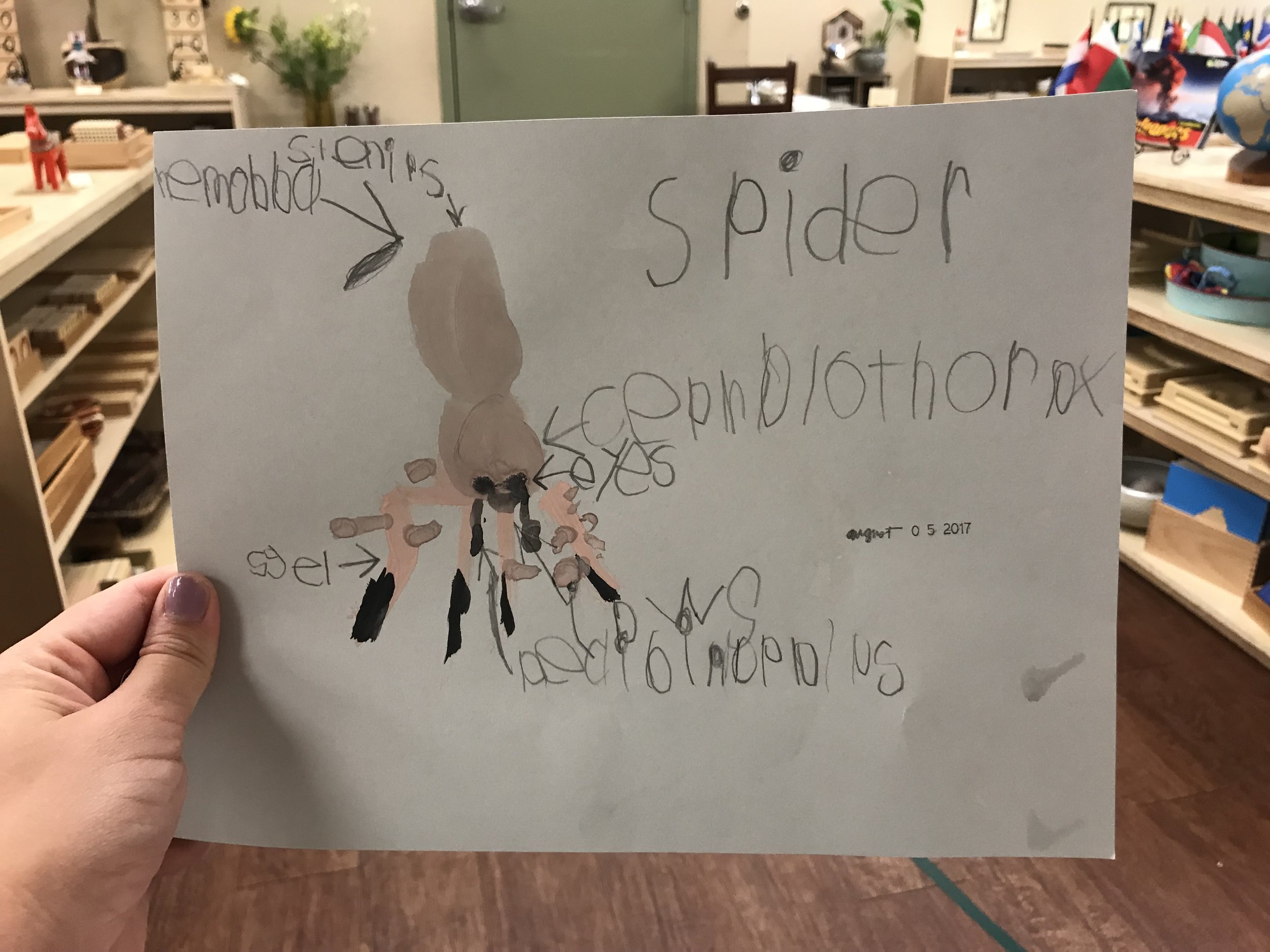
Spiders are another familiar Halloween symbol that can inspire curiosity rather than fear.
Spiders are arachnids, not insects. They have eight legs, and many species create remarkable webs that serve different purposes.
Children can observe spiderwebs outdoors, study their patterns, learn how spiders help manage insect populations, and discover why these small creatures are important members of our ecosystems.
For young children especially, observing a real spider from a respectful distance can be more meaningful than encountering dozens of oversized plastic ones.
Pumpkins: From Seed to Harvest
Pumpkins are perhaps the perfect Montessori Halloween symbol because they connect so naturally to practical life, botany, mathematics, and the changing seasons.
Children can wash pumpkins, compare their sizes and weights, count seeds, examine the flesh and rind, and learn about the life cycle of a plant.
Carving or decorating a pumpkin also provides opportunities for fine motor development, sensory exploration, sequencing, and collaboration.
Even the simple act of scooping seeds from a pumpkin can become a rich, hands-on learning experience.
What About Witches, Ghosts, Dragons, and Other Imaginary Creatures?
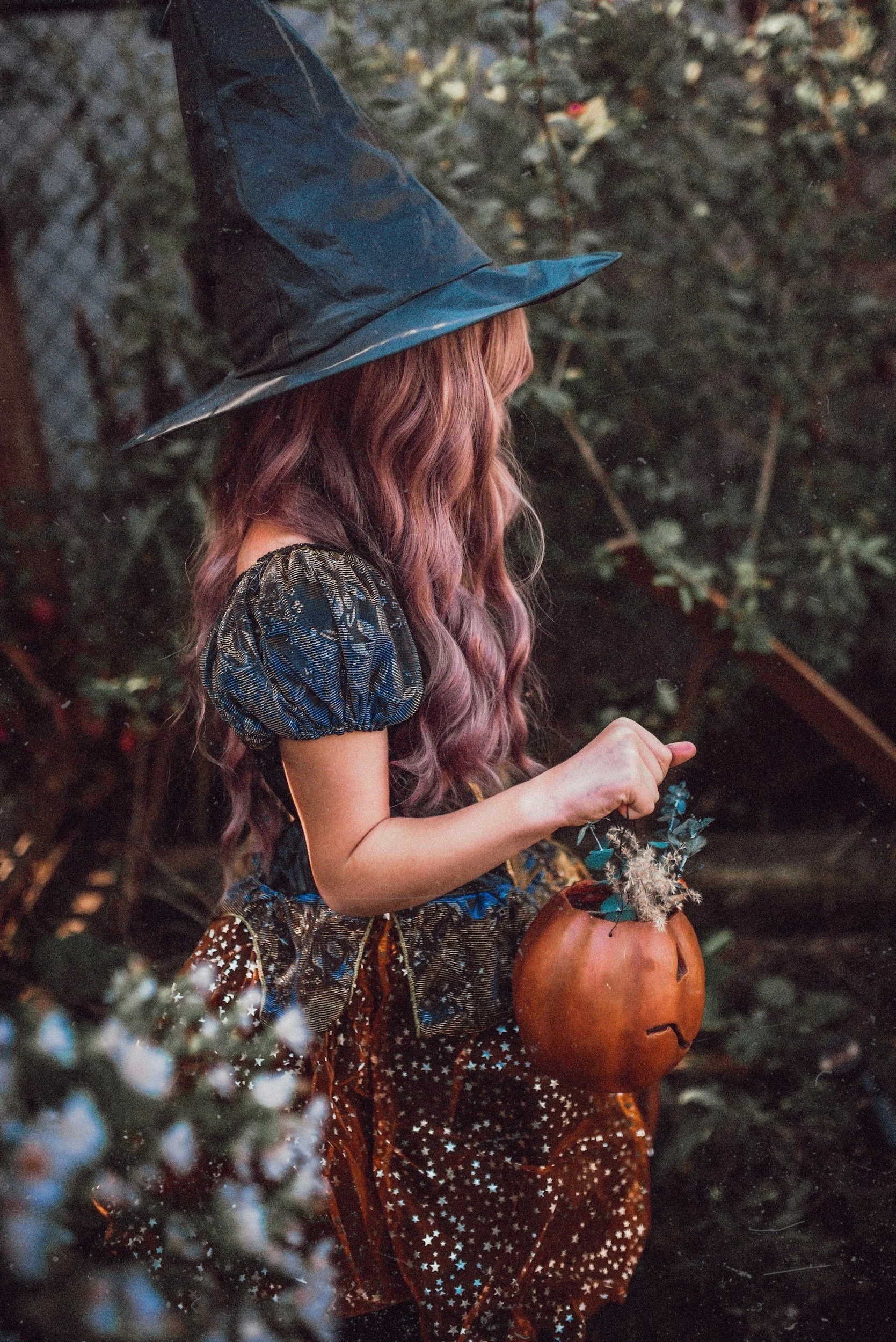
Not every Halloween character has a direct counterpart in the natural world, and that's perfectly fine.
As children grow, their ability to appreciate symbolism, storytelling, and imagined worlds becomes increasingly sophisticated.
For a younger child, it may be helpful to explain that ghosts and dragons are characters people imagine and tell stories about, while costumes and decorations are things people create for fun.
For older children, these same figures can open the door to fascinating investigations of folklore, mythology, literature, and cultural history.
Why have people told stories about dragons in different parts of the world? How have ideas about witches changed over time? What can traditional stories tell us about the beliefs and values of the communities that created them?
Elementary-aged children, who are increasingly interested in imagination, big ideas, and the connections between people and cultures, are often especially drawn to these questions.
In Montessori's second plane of development, approximately ages six to twelve, imagination becomes a powerful tool for learning. Children can use it to envision distant civilizations, understand events they have never witnessed, and explore possibilities beyond their immediate experiences.
For adolescents, Halloween can provide opportunities to examine cultural traditions, symbolism, media, historical narratives, and how communities express ideas about fear, mystery, and the unknown.
The same holiday can therefore offer very different, developmentally appropriate experiences across childhood.
Halloween as an Opportunity for Grace and Courtesy
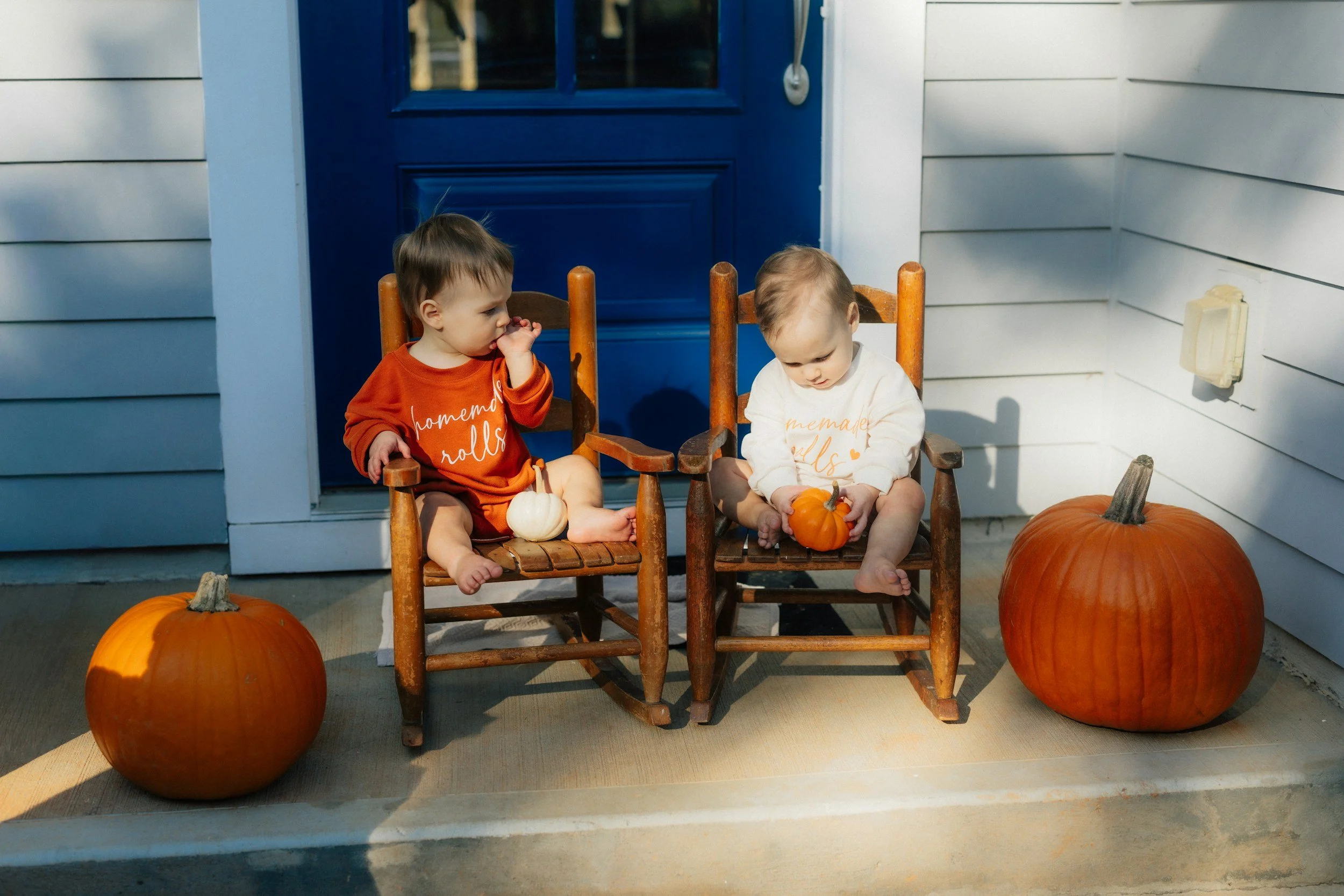
Beyond costumes and candy, Halloween offers a wonderful opportunity to practice something central to Montessori education: grace and courtesy.
Trick-or-treating involves a surprising number of social skills!
Children practice greeting neighbors, waiting their turn, respecting personal space, expressing gratitude, and navigating unfamiliar interactions.
Families can prepare children by practicing simple exchanges together:
"Trick or treat!"
"Thank you!"
"Happy Halloween!"
Children can also learn that participation is a choice. They may prefer to watch rather than approach a door, decline a particular treat, or take a break when the experience becomes overwhelming.
Respecting these preferences supports children's developing independence and confidence.
Halloween also offers opportunities to talk about inclusion and kindness. Not every family celebrates the holiday, and children may encounter traditions, costumes, foods, or beliefs different from their own.
We can help children approach these differences with curiosity and respect.
When Halloween Feels Overwhelming
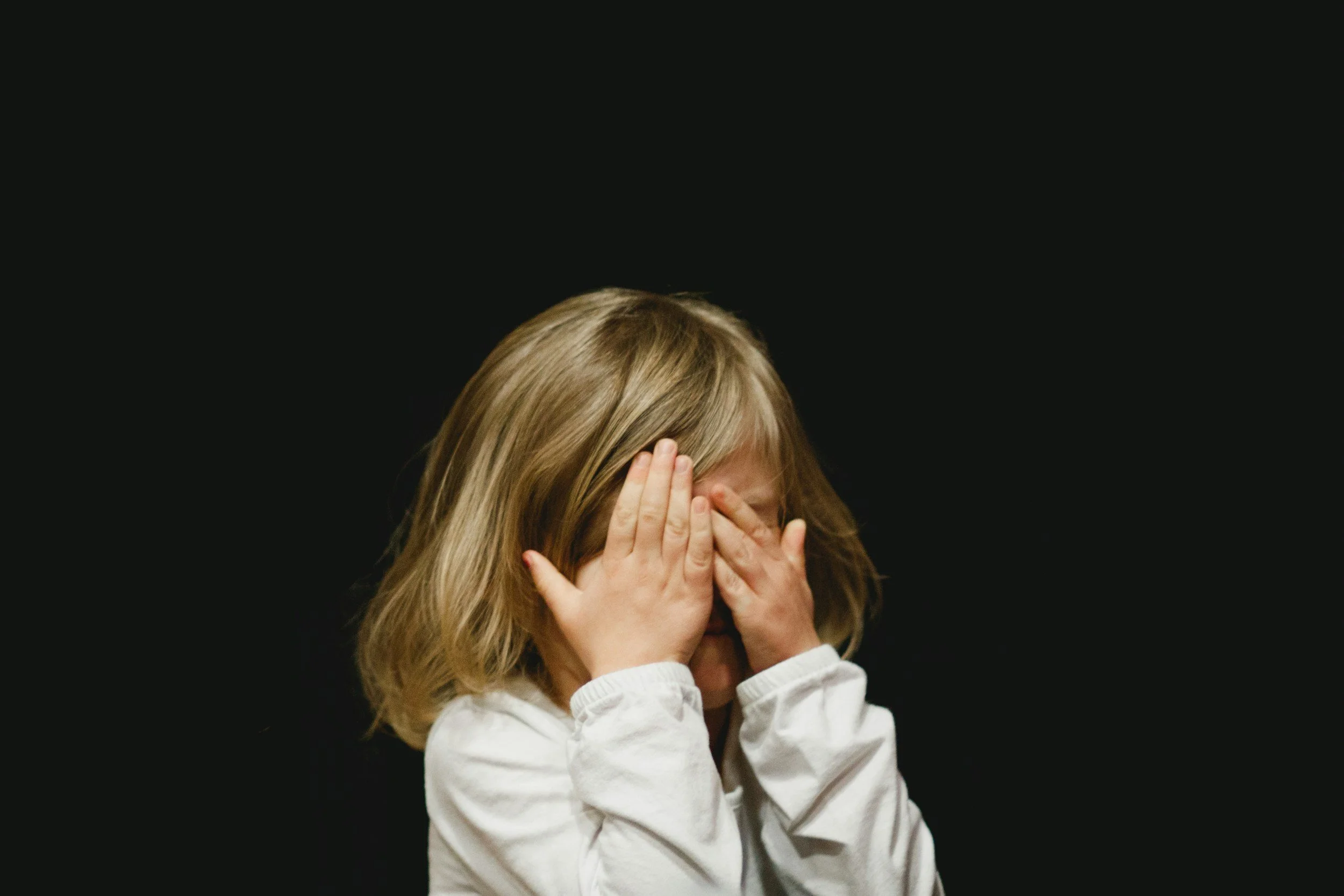
For some children, Halloween can be a sensory and emotional challenge.
Unfamiliar costumes, loud noises, crowded gatherings, flashing decorations, and changes in routine can make an otherwise exciting experience feel unpredictable.
Younger children may be particularly sensitive to seeing familiar adults with their faces concealed or hearing frightening sounds without understanding their source.
When this happens, the most helpful response is often simple reassurance and connection.
We can acknowledge what the child is experiencing without amplifying it:
"That surprised you. The sound came from the decoration. Would you like to look at it together, or would you rather keep walking?"
We can also prepare children ahead of time by explaining what they might see, showing them their own costumes, and letting them observe adults putting on and removing costume pieces.
Most importantly, children do not need to be pushed into experiences that frighten them simply because the adults around them know those experiences are pretend.
A child who chooses not to approach a decorated house, wear a mask, or participate in a particular activity is still learning.
Feeling safe, heard, and respected is far more important than completing every Halloween tradition.
A Few Montessori-Inspired Ways to Celebrate at Home
Follow your child's curiosity. If they are fascinated by bats, explore bats. If pumpkins capture their attention, investigate pumpkins. Meaningful learning begins with genuine interest.
Offer real experiences. Visit a pumpkin patch, take an autumn nature walk, observe spiderwebs, or prepare a seasonal recipe together.
Invite practical life participation. Let children help wash pumpkins, prepare decorations, organize costumes, set out treats, or clean up afterward.
Use clear, respectful language. Answer questions about costumes and decorations truthfully, in ways appropriate to your child's age.
Practice social interactions. Rehearse greetings, saying thank you, waiting patiently, and respecting others' choices.
Leave room for different comfort levels. Some children love the excitement of Halloween, while others prefer quieter celebrations. Both are perfectly valid.
Explore the traditions behind the holiday. Older children may enjoy researching the history of Halloween and learning about other seasonal celebrations and remembrance traditions, including how they differ across cultures.
And perhaps most importantly, enjoy the season together.
Children do not need every experience to have an explicit educational objective. Shared laughter, family traditions, playful creativity, and a sense of belonging are valuable in their own right.
The Montessori Perspective: Wonder Rooted in Understanding
At MSIMS we believe childhood should be filled with wonder.
We also believe that wonder becomes even more meaningful when children have opportunities to understand the world around them.
The skeleton can lead to a discovery about our bones. The bat can inspire a fascination with nocturnal animals. The pumpkin can reveal the remarkable process of growth and harvest. A mysterious costume can become a conversation about storytelling, imagination, and the difference between what is real and what is pretend.
And a simple evening of trick-or-treating can become an opportunity to practice independence, kindness, gratitude, and connection with our neighbors.
Halloween doesn't have to be a choice between imagination and reality, or between festive fun and Montessori principles.
With thoughtful guidance, it can be a celebration of all of them.
As we enjoy the costumes, colorful leaves, glowing pumpkins, and excitement of the season, may we remember that the greatest magic of childhood is often found in the very real world children are discovering every day.
Happy Halloween from all of us at Mountain Shadows International Montessori School! 🎃🍂