Adolescent Program
(Middle School)
The Farmstead Adolescent Program is designed to support adolescents during a pivotal stage of development and self-discovery. Through meaningful work, strong relationships, and real-world experiences, students develop a deep understanding of themselves and their place in the community.
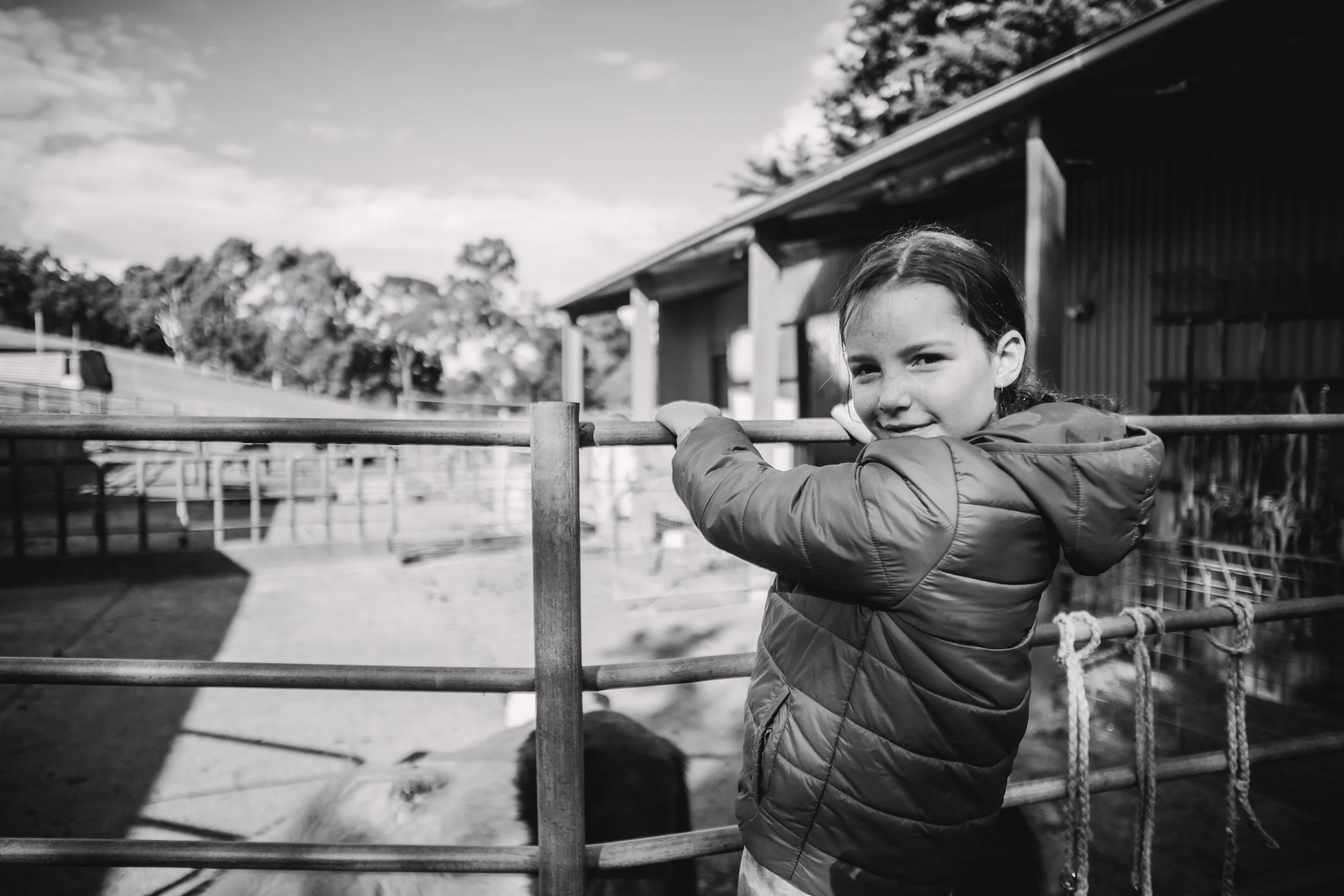
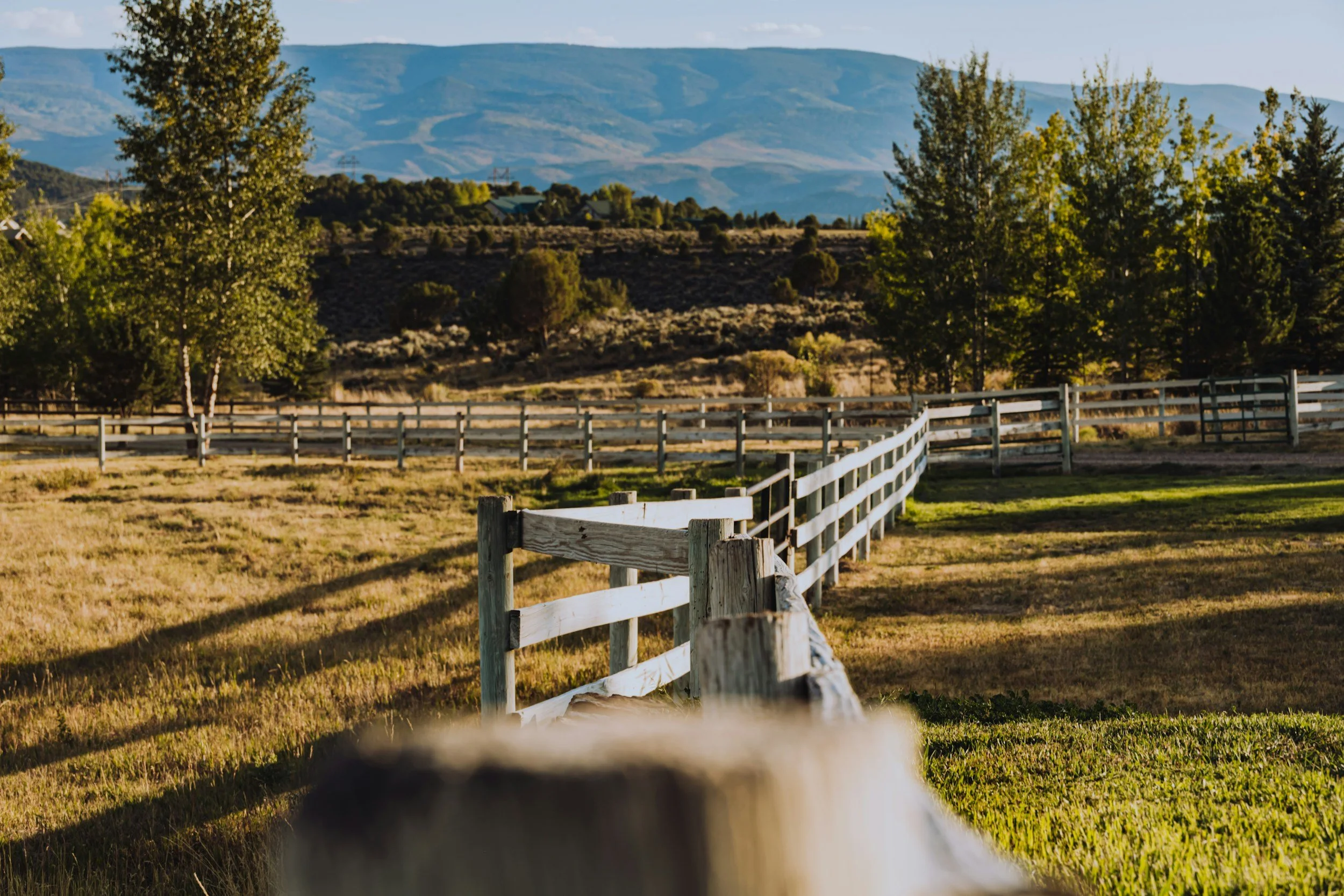
The program operates across two unique environments: the MSIMS campus and a five-acre working farm. This multi-facility structure offers students dynamic learning opportunities that blend academic study with hands-on experience. At the farm, adolescents engage directly with regenerative agriculture, scientific observation, and land stewardship, bringing learning to life through authentic work and inquiry.
Within this community, adolescents build self-knowledge and confidence while forming authentic relationships and experiencing a true sense of belonging grounded in connection rather than technology. They are encouraged to take thoughtful risks, trust their instincts, and develop resilience and adaptability.
Academically, students are challenged and supported as they mature into capable, competent learners. Most importantly, the program provides space and guidance for adolescents to begin envisioning and shaping their own path forward, cultivating purpose, independence, and responsibility for their future.

At Farmstead, adolescents are guided to discover who they are, contribute meaningfully to their community, and begin shaping their future with confidence and purpose.
Program Highlights
A strong focus on community building and belonging
Multi-aged learning environment (ages 11–15) that encourages mentorship and collaboration
Individualized Learning Plans designed to support each student’s strengths, interests, and goals
Personalized guidance and mentorship through one-on-one support
A balance of independent work, collaborative projects, and community responsibilities
Inquiry-based learning that cultivates curiosity, critical thinking, and problem-solving
Meaningful work of the hands, connecting intellectual learning with practical experience
Emphasis on valorization, fostering self-awareness, confidence, and a sense of purpose
Thoughtful and individualized feedback to support continuous growth
Opportunities for student choice and self-directed learning
Self-paced academic progress that honors each student’s developmental rhythm
Elevating student voice and leadership within the community
Early career exploration and real-world experiences that help adolescents envision their future
-
Our language arts program emphasizes an integrated writing and reading program where students use writing strategies to decipher higher-level meanings and apply them to real world situations.
Highlights of our curriculum include:
Apprentice Sentences
Literary Analysis Strategies
Read 10-12 Books per year
Poetry
Memoirs
Paragraph Formation
Literary Essays
Compare/Contrast Essays
Editing/Revising
Persuasive Writing
Letter Writing
Scientific Writing
Fiction Writing
Graphic Novels
Play Writing
Speech & Debate
-
Math and Spanish are the only subject where students are differentiated by skill level.
The goal of the Math Program is for students to complete Algebra I by the end of their third year. The math sequence is Foundational Math, Pre-Algebra, and Algebra I. The program can also accommodate students up through geometry.
Our Spanish program provides a rich experience of language, culture, and Latin American and Spanish history.
-
Personal World focuses on adolescent social-emotional literacy as they
navigate from childhood into adulthood.The program emphasizes:
Values Clarification
Leadership & Goal Development
Learning & Communication Styles
Conflict Management
Confidence
Self-esteem
Generosity & Compassion
Service Learning
Spontaneity
Human Health and Wellness
Cyber Civility
-
Our students engage in group projects, simulations, socratic dialogues, debates, and independent projects to explore an array of civics, social studies and world history topics.
Year A: Histories of Ancient Civilizations
Year-Long Research Project
Year B: Government and Revolutions
Year C: World Issues and Economics
Montessori Model UN Program
-
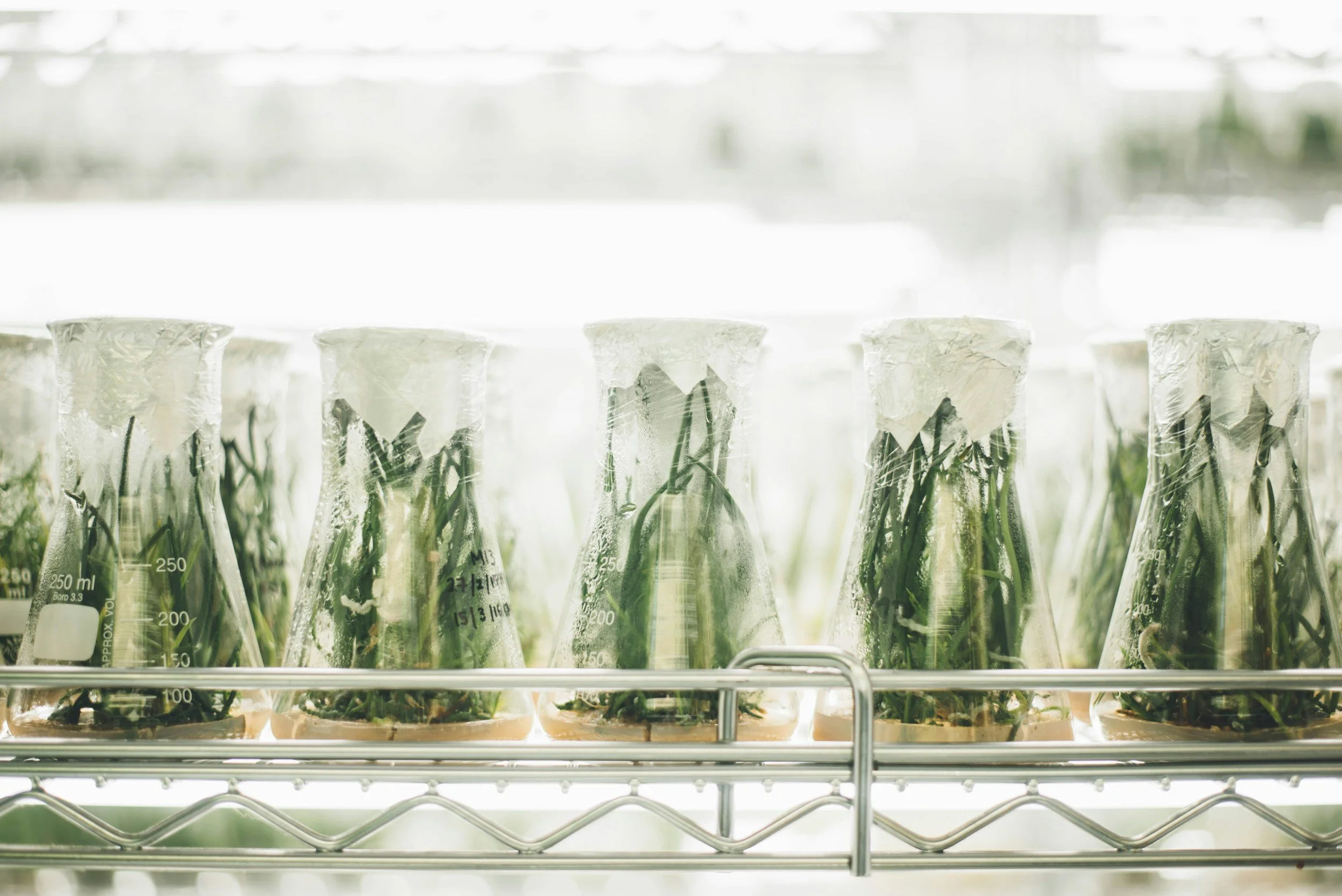
Our science curriculum is deeply embedded into our agriculture program, with students learning academic concepts through the work of the hands on the farm and by conducting real-world research projects.
Our methodology utilizes place-based education, which uses the local community and environment as a starting point for learning, fostering a deeper connection between students and their surroundings.Year A: Soil–Chemistry & Earth Science
Year B: Plants/Animals–Biology
Year C: Water–Physics and Chemistry
-
Our Art Program is integrated throughout all subjects and most projects, directly relating to concepts studied in language arts, social world, natural world, and personal world.
Project examples include:
Ancient Peru: Weaving tapestries
Language: Graphic Novels
Ancestral Pueblo: Pottery
Dust Bowl: Photography
Bees: Bee paper mache
Flower Anatomy: Flower Dyes
Personal World: Family Chess Pieces
Script Writing: Set Creation
-
Student’s study economics through real-world experiences that include:
Designing, marketing, implementing, and assessing a student business
Projecting income and expenses and developing financial reports
-
Practical Life consists of hands-on, daily living activities designed to foster independence, concentration, and responsibility.
Examples include:
Executive Functioning
Time Management
Prioritization
Communication and Conflict Management
Cooking and Cleaning
Farm Chores
Typing, Word Processing, Spreadsheets, Slide Shows
Going out to lunch
Planning Events and Trips
Shopping, Changing Tires, Construction, Mowing …
-
Outdoor Play and Work
Yoga
Internal Martial Arts
Brain Based Exercises
Sports: Students have opportunities to participate in sports with local partnerships or clubs
-
Field experiences and experiential learning are an integral part of the Farmstead program. Rather than limiting learning to the classroom, students regularly explore the broader community through field trips, site visits, and hands-on experiences that bring their studies to life. These opportunities allow adolescents to see how knowledge is applied in the real world, ask meaningful questions, and connect their academic work with authentic experiences.
Guest lecturers and community experts also play an important role in the program, sharing their knowledge and experiences with students. Examples of past guest speakers include an archaeologist, a Traditional Chinese medicine doctor and martial arts practitioner, a beekeeper, composter, recycler, regenerative farmer, combustion engineer, salsa dancer, historian, cyanotype artist, and economist. These interactions expose students to a wide range of disciplines, perspectives, and potential career paths while deepening their understanding of the world around them.
-
Adolescence is a time when young people are developing both independence and a deep need for belonging. At Farmstead, family and community life are an essential part of the program, creating a supportive environment where students feel known, valued, and connected.
Within the multi-aged community, adolescents learn to live and work together with respect and responsibility. They share in the rhythms of daily life, contribute to the well-being of the group, and develop meaningful relationships with peers and mentors. Through collaboration, shared problem-solving, and community responsibilities, students experience what it means to belong to something larger than themselves.
Families are also an important part of this community. Open communication, gatherings, and shared experiences help strengthen the partnership between school and home. Together, we create an environment where adolescents feel supported as they grow in independence, develop confidence in their abilities, and begin to understand their role within a broader community.
“Work on the land is an introduction both to nature and to civilization and gives a limitless field for scientific and historical studies. If the produce can be used commercially this brings in the fundamental mechanism of society, that of production and exchange, on which economic life is based.
This means that there is an opportunity to learn both academically and through actual experience what are the elements of social life. We have called these children the “Erdkinder” because they are learning about civilization through its origin in agriculture. They are the ‘land-children.’”
Visit Farmstead
Submit the form and we will be in touch shortly. You may also contact us at hello@mountainshadows.org or call (303) 530-5353.
Click here to learn more and view tuition and fee information.
Founding Partners & Advisory Board
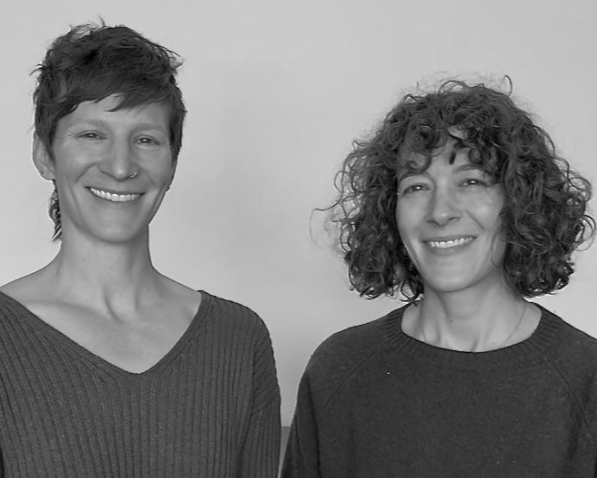
Julia Ogden and Emily Greenberg serve as Founding Partners and members of the Program Advisory Board for the Farmstead Adolescent Program at MSIMS.
Their work in education began with what they describe as “a simple yet powerful desire—to provide our community with an alternative to the culture that has our adolescents in its grips.” This vision continues to guide their contribution to the Farmstead program.
They are deeply committed to cultivating a community that prioritizes presence, connection, and intentional living, creating space for adolescents to engage in meaningful work, build authentic relationships, and develop a strong sense of self.
At the heart of their philosophy is a belief in giving adolescents the time and space “to grow into their fullest, healthy selves.” As Founding Partners and Advisory Board members, they continue to support the program’s development and evolution, grounded in purpose, community, and the needs of the adolescent.