
Montessori vs. Traditional in the Elementary Years
Choosing the right elementary school setting is one of the most important decisions families make. While both Montessori and traditional models aim to educate children academically, they differ significantly in how learning happens, especially during the elementary years (ages 6–12).
How Children Learn

Montessori Elementary
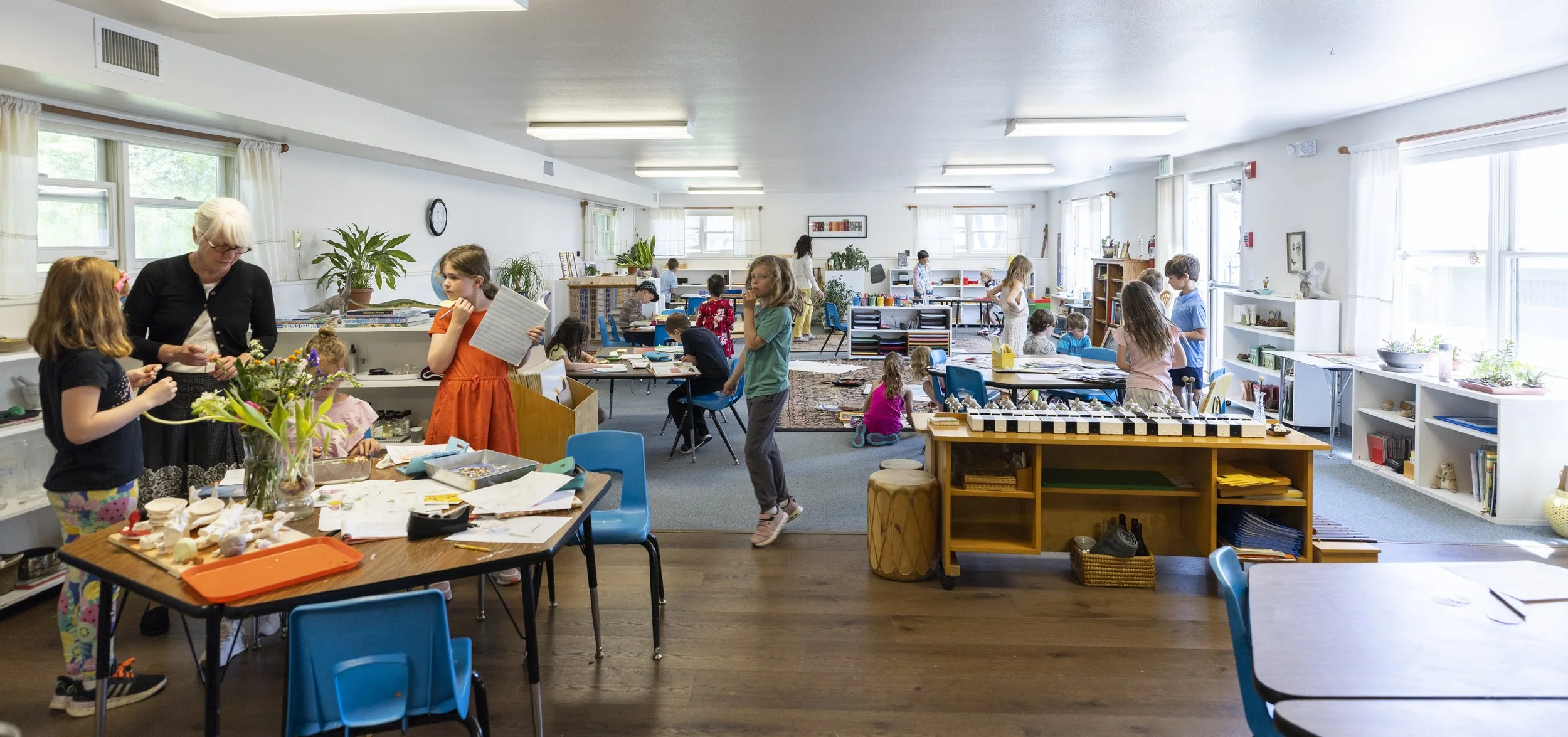
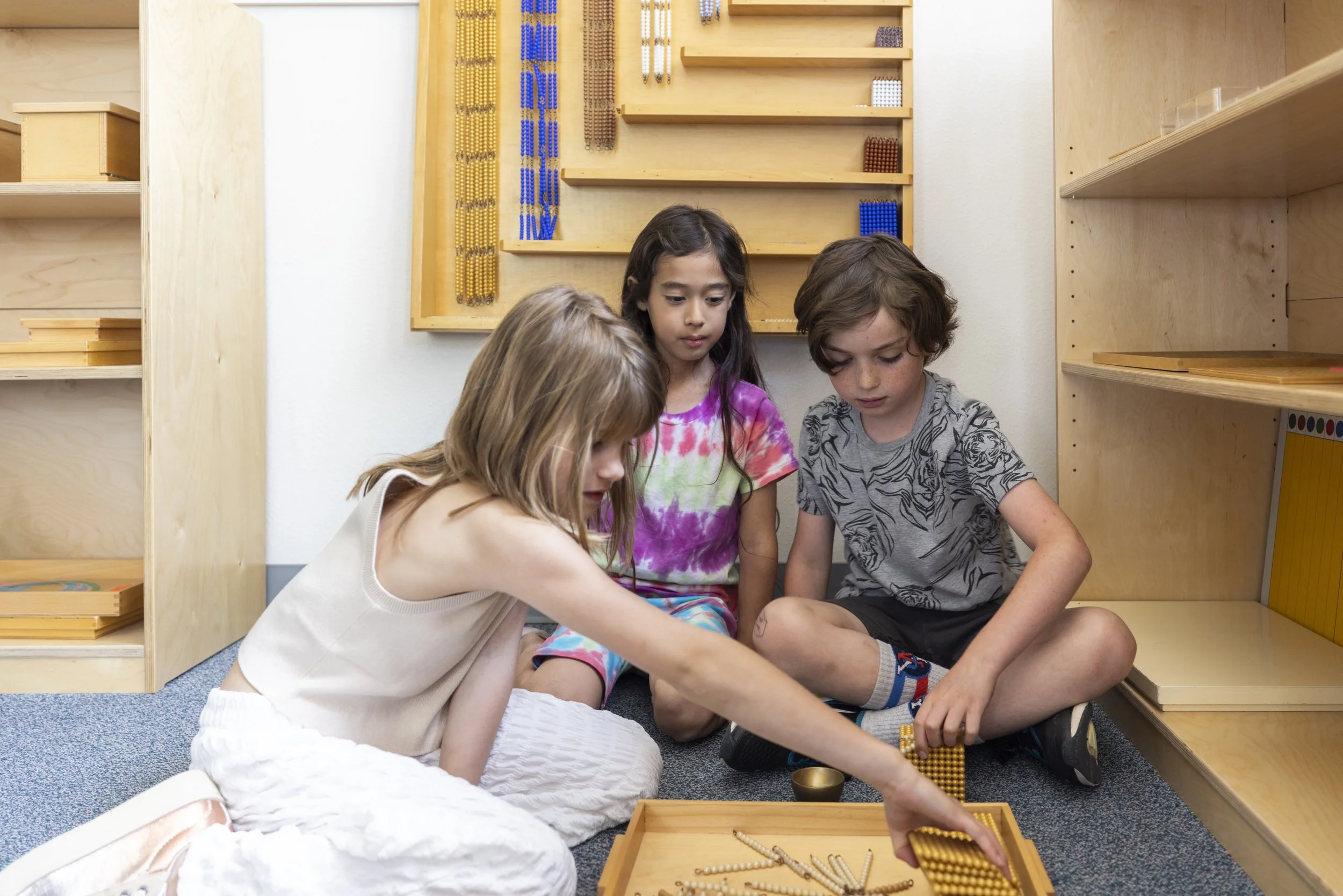
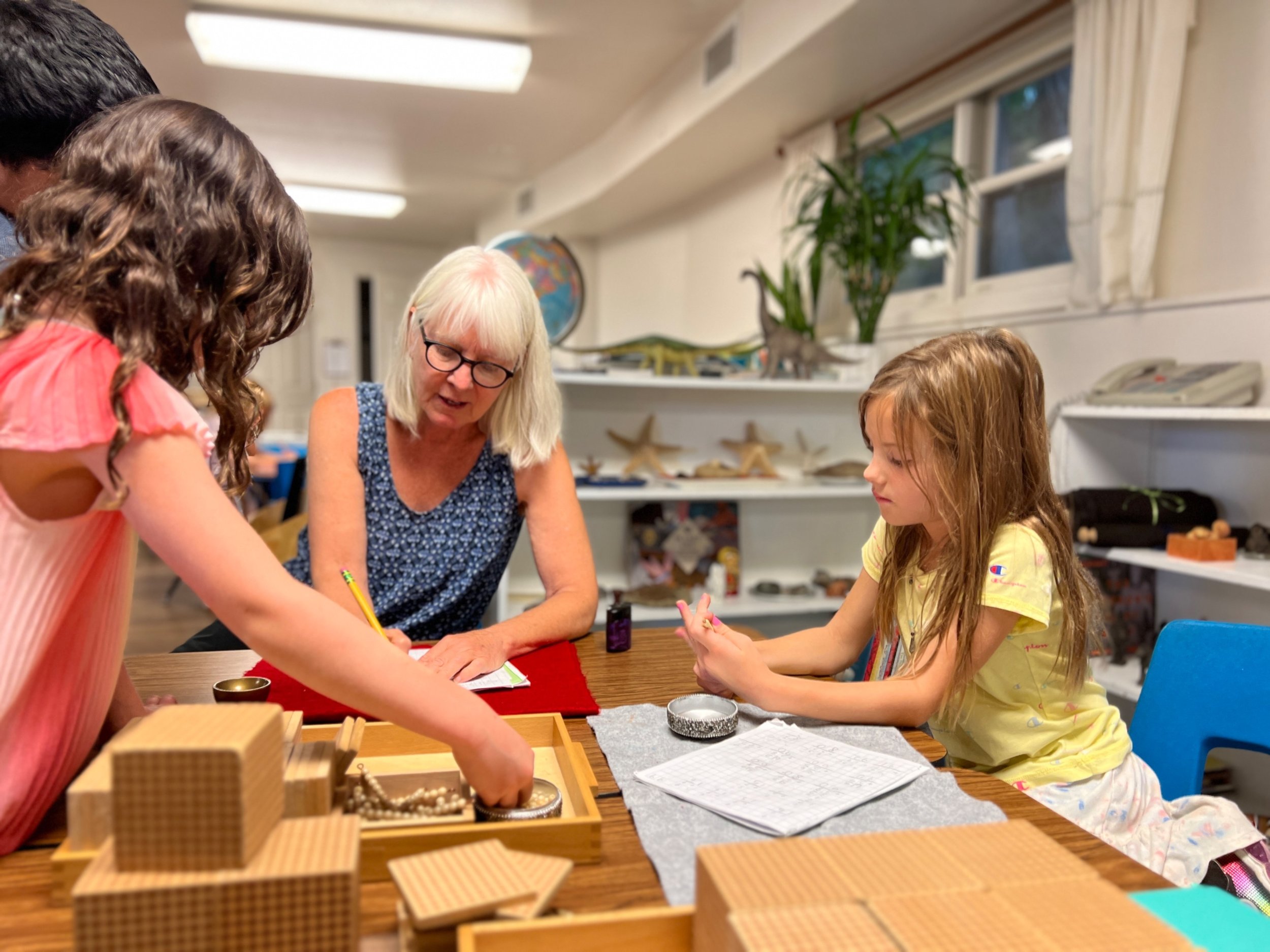
Rooted in the work of Maria Montessori, Montessori elementary education is built around curiosity, independence, and deep understanding. Children learn through hands-on materials, collaborative projects, and real-world exploration. Lessons are introduced individually or in small groups, allowing children to move at their own pace and revisit concepts until mastery is achieved.
Students are encouraged to ask big questions, follow their interests, and make meaningful connections across subject areas. Learning is interdisciplinary and often extends over days or weeks, allowing children to engage deeply rather than rushing from topic to topic.
Traditional Elementary
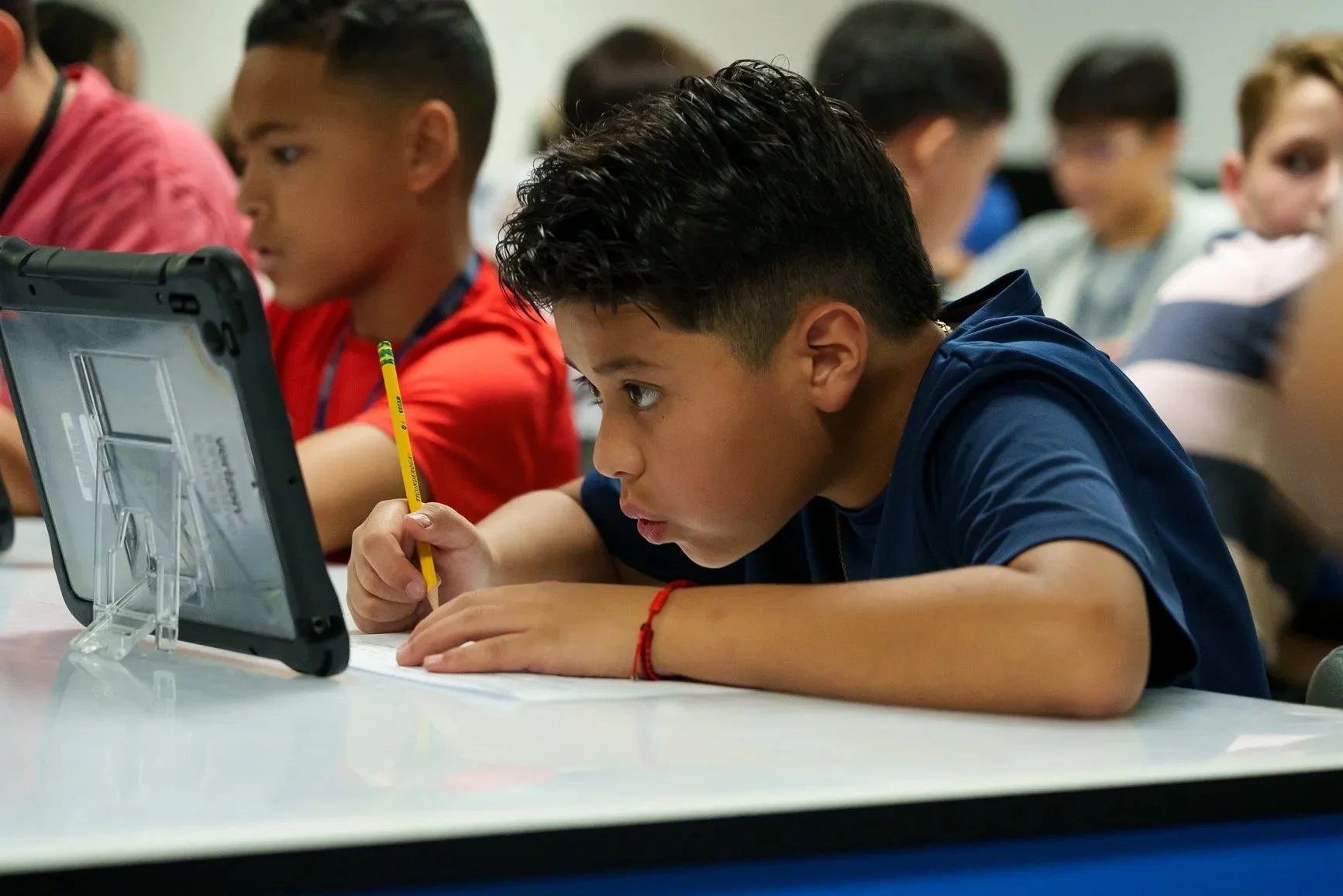
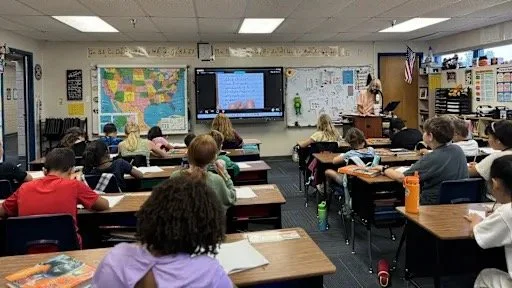
Traditional classrooms typically follow a set curriculum delivered through whole-group instruction. Students progress together by grade level, with learning often centered on laptops/tablets, textbooks, worksheets, and teacher or technology-led lessons. Mastery is often tied to pacing guides, grades, and standardized benchmarks.
Structure and Environment

Montessori
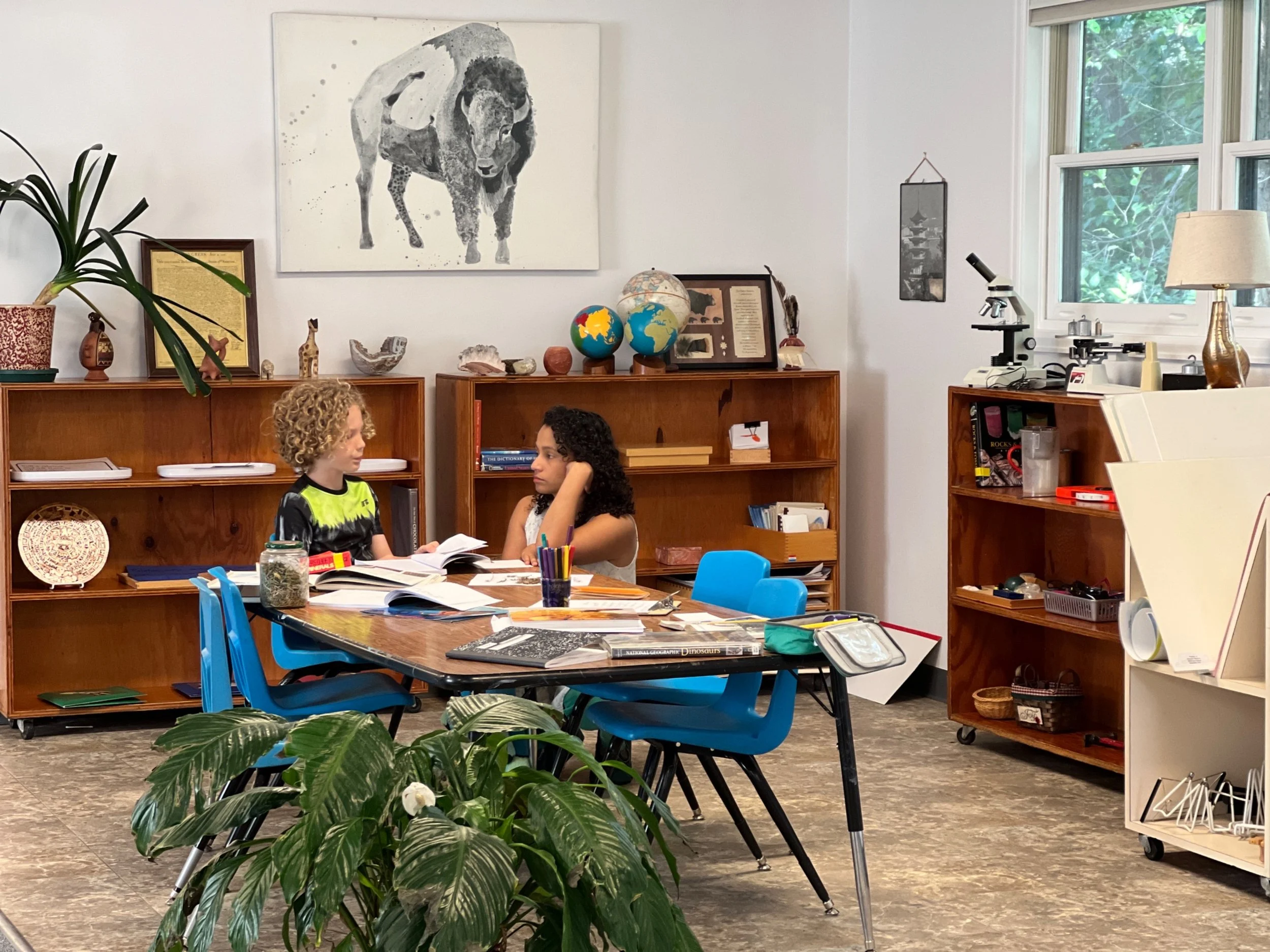
Elementary classrooms are multi-age (usually ages 6–9 and 9–12), fostering collaboration, leadership, and peer mentorship. Children have long, uninterrupted work periods that support concentration, executive functioning, and sustained inquiry. Students learn to manage their time, make choices, and take responsibility for their work.
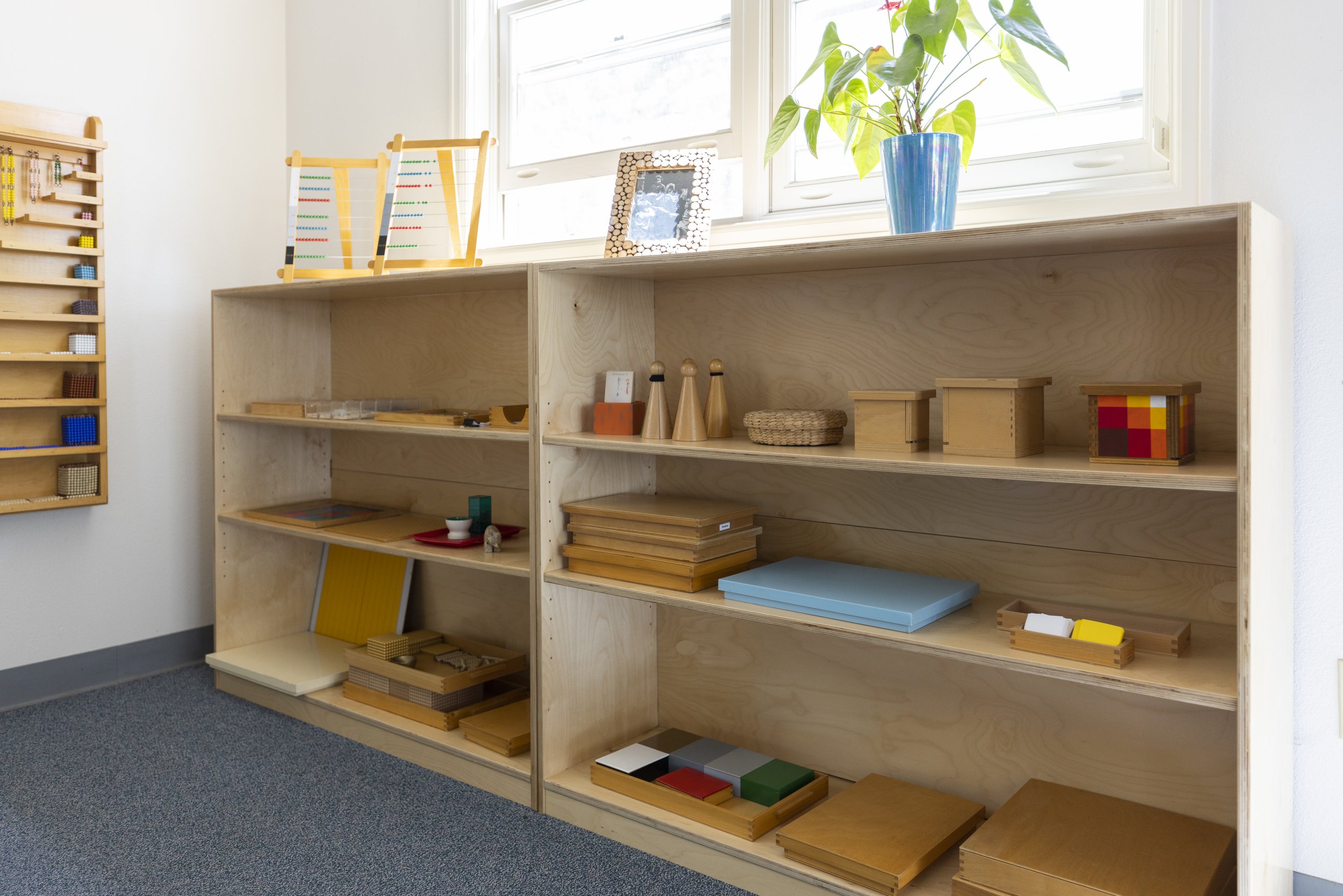
The classroom environment is intentionally prepared to encourage independence, movement, and exploration. Children are trusted to navigate their learning with guidance rather than constant direction.
Traditional
Traditional classrooms are typically single-age with structured schedules and shorter subject blocks. Teachers guide the pace and sequence of learning, and students move through content together. This approach can feel familiar and predictable, offering clear routines and expectations.
Learning Beyond the Classroom: Going Outs & Student-Planned Trips
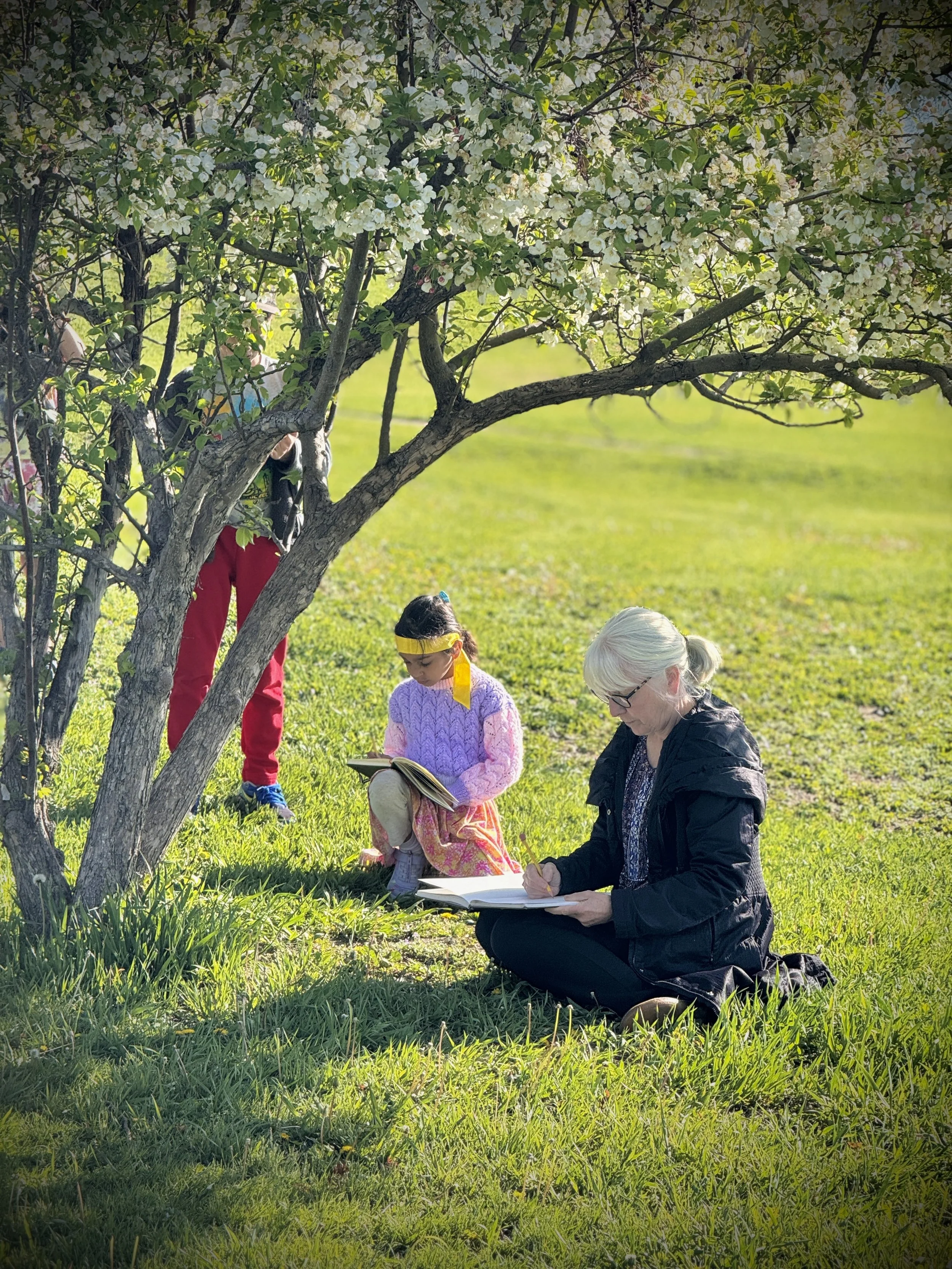
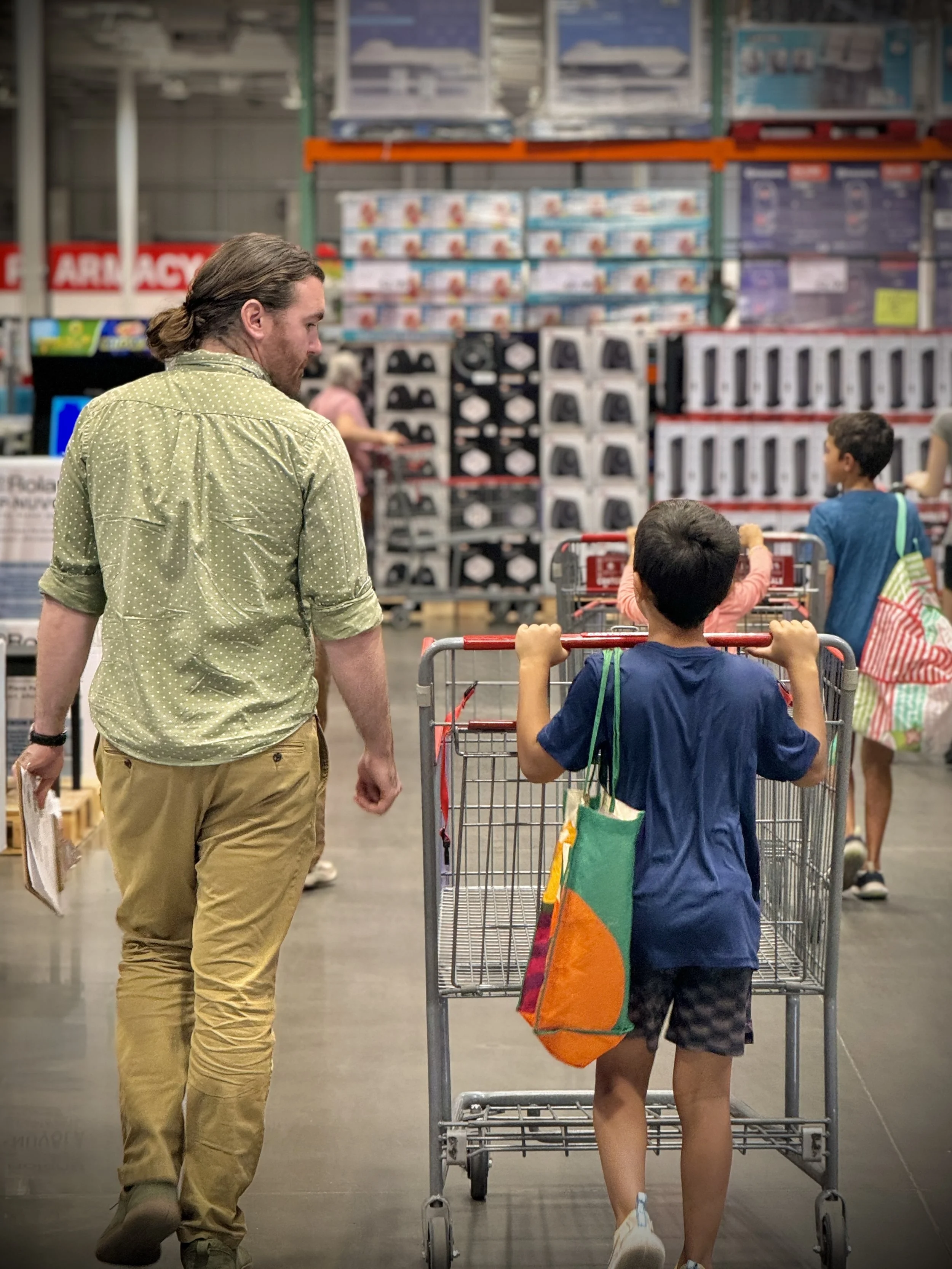
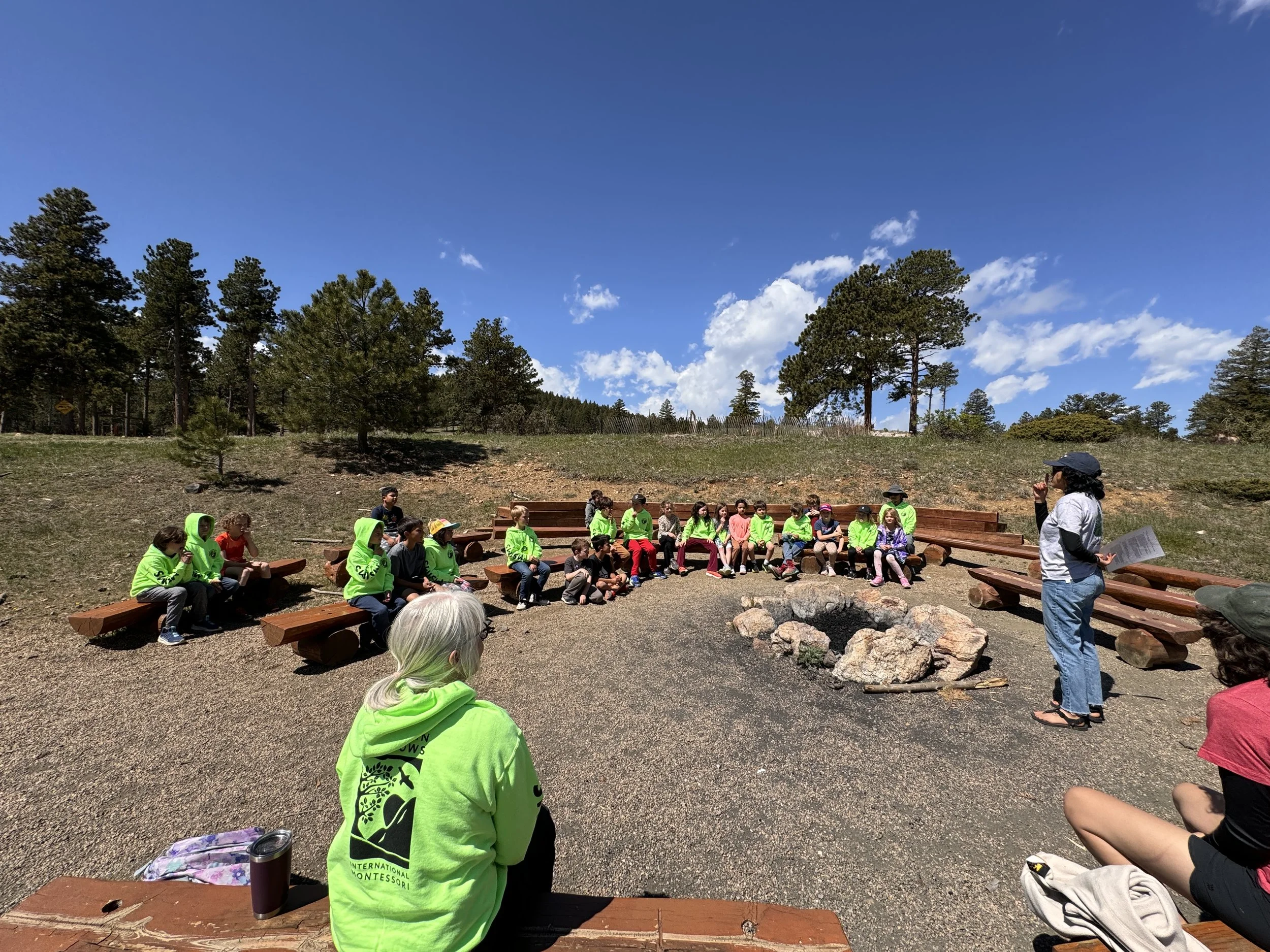
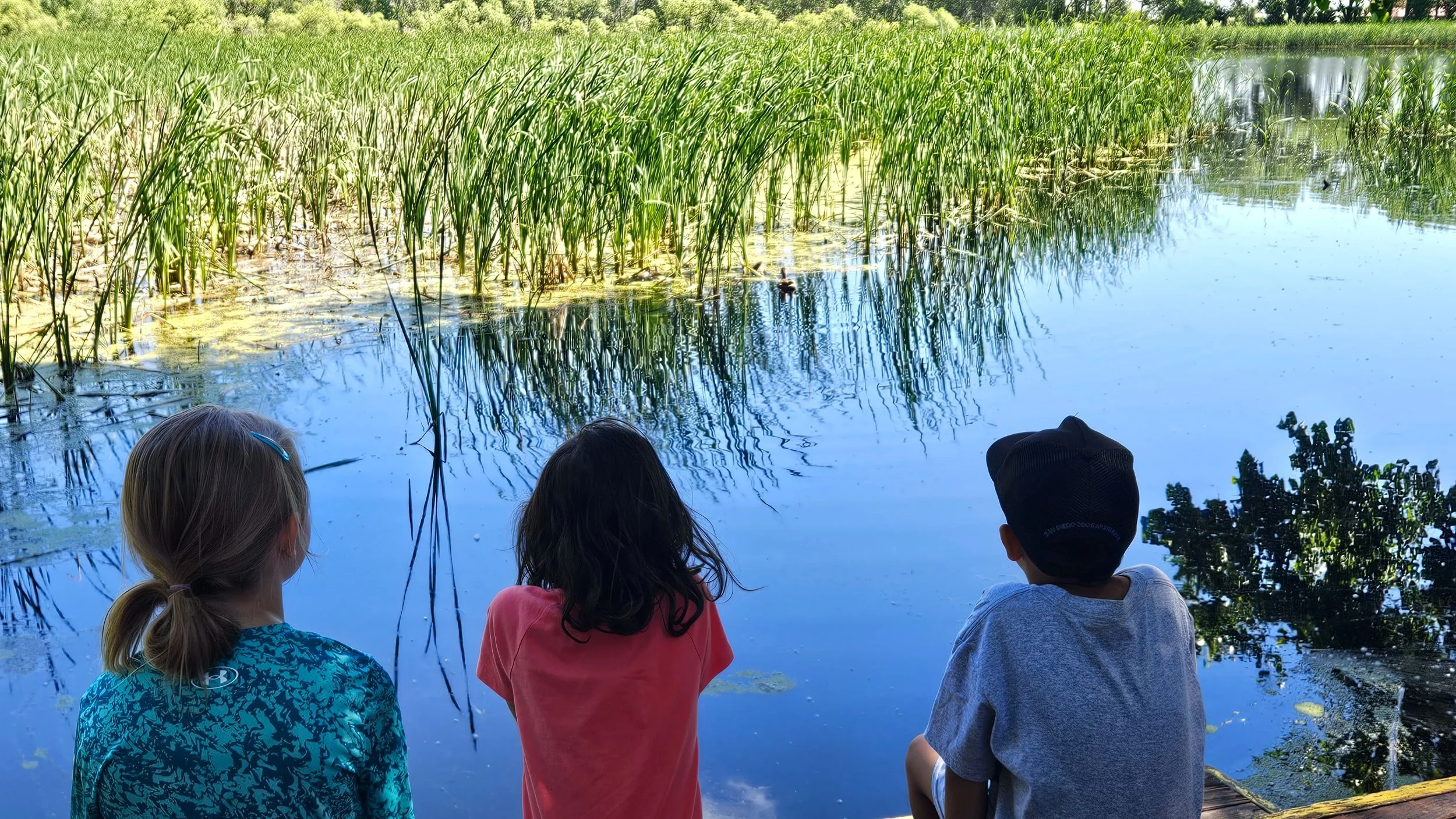
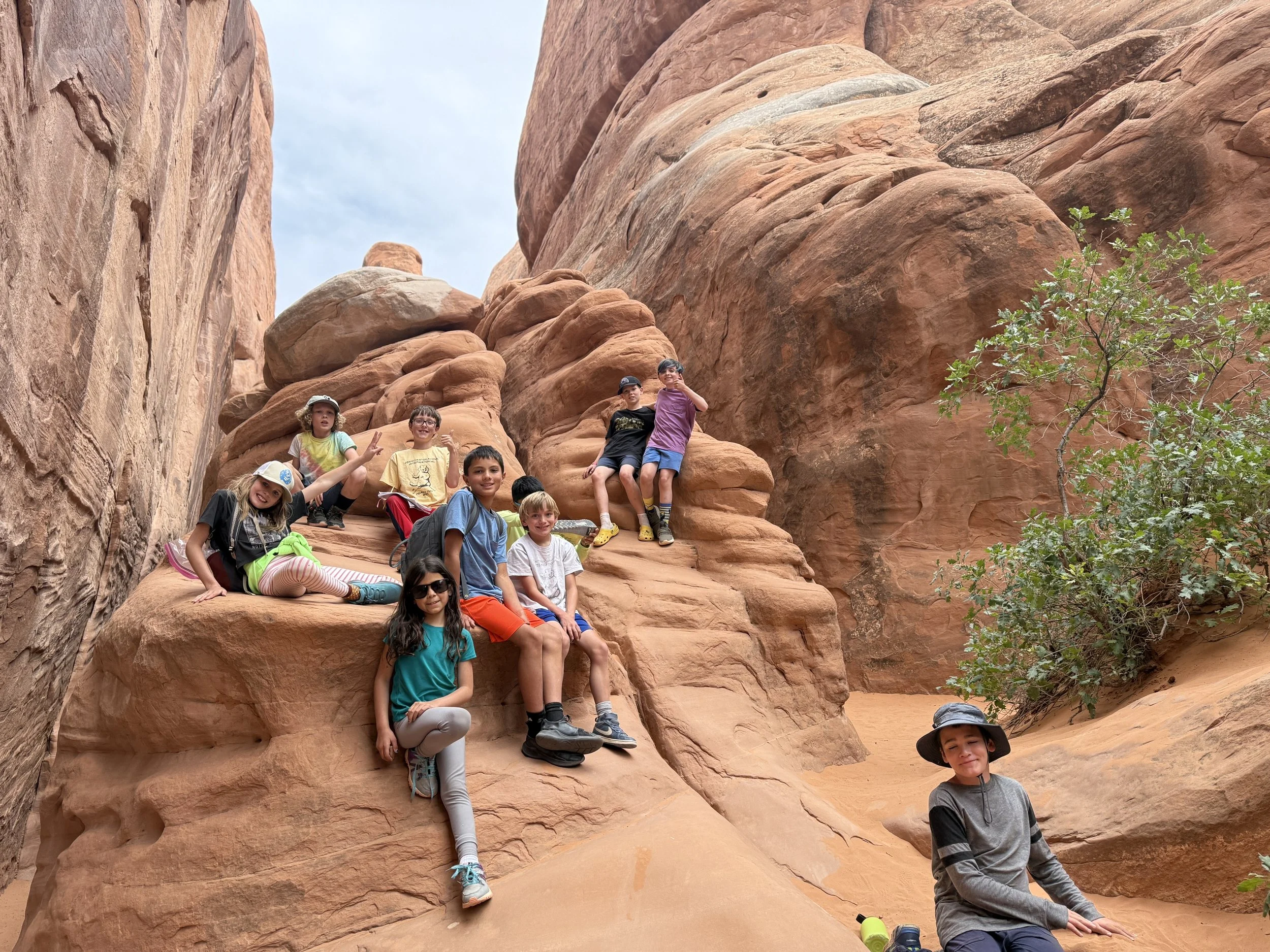
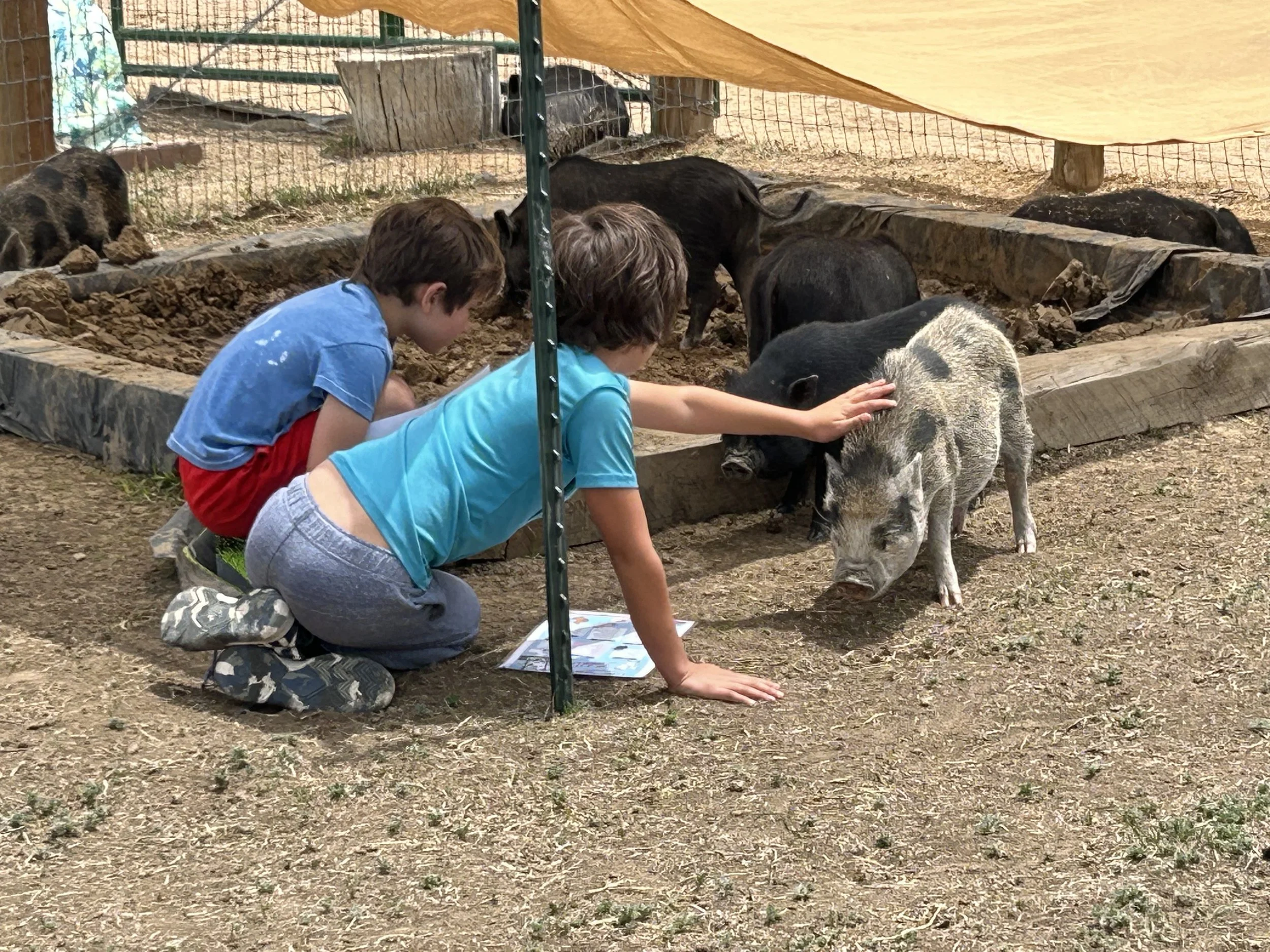
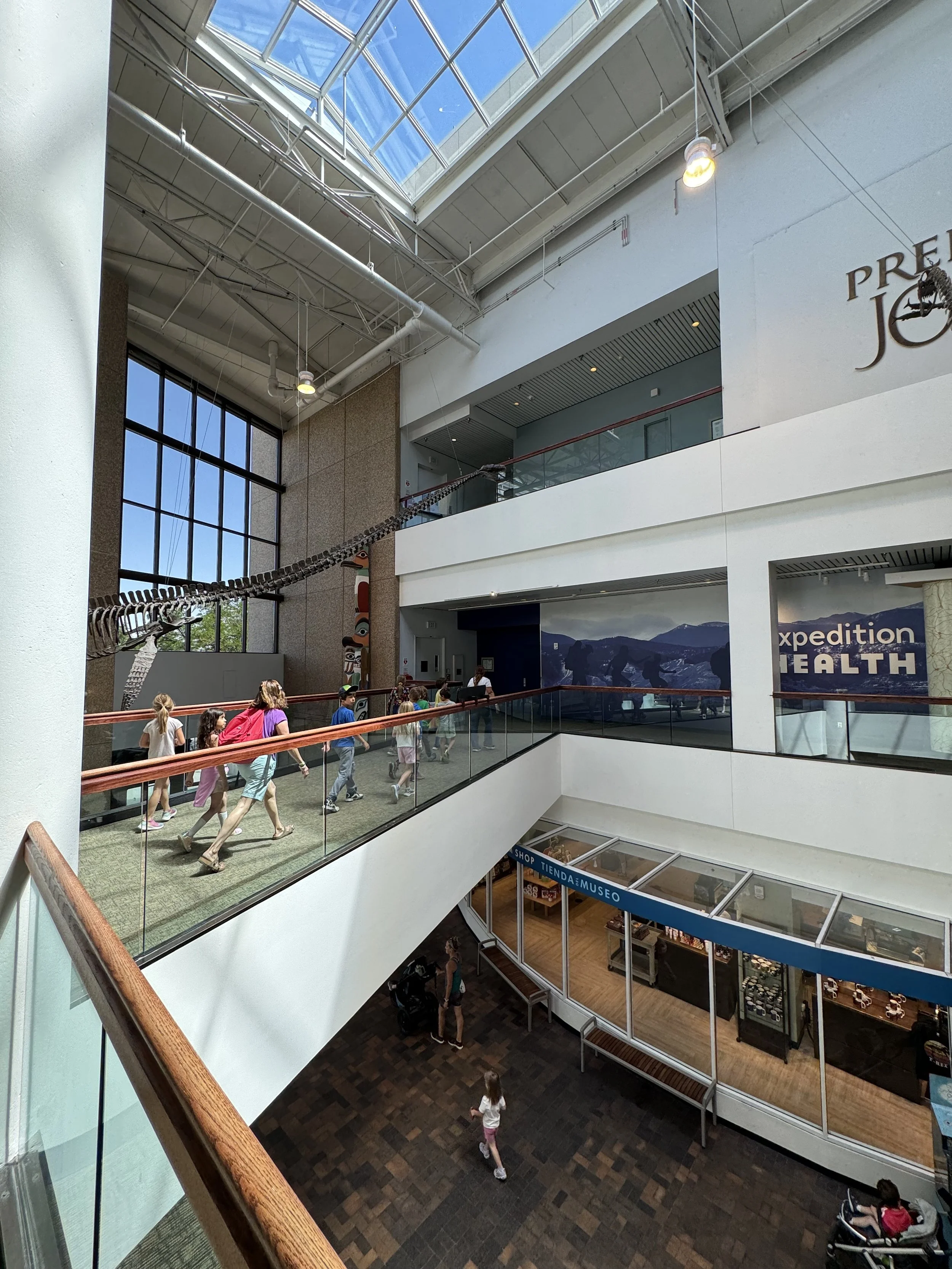
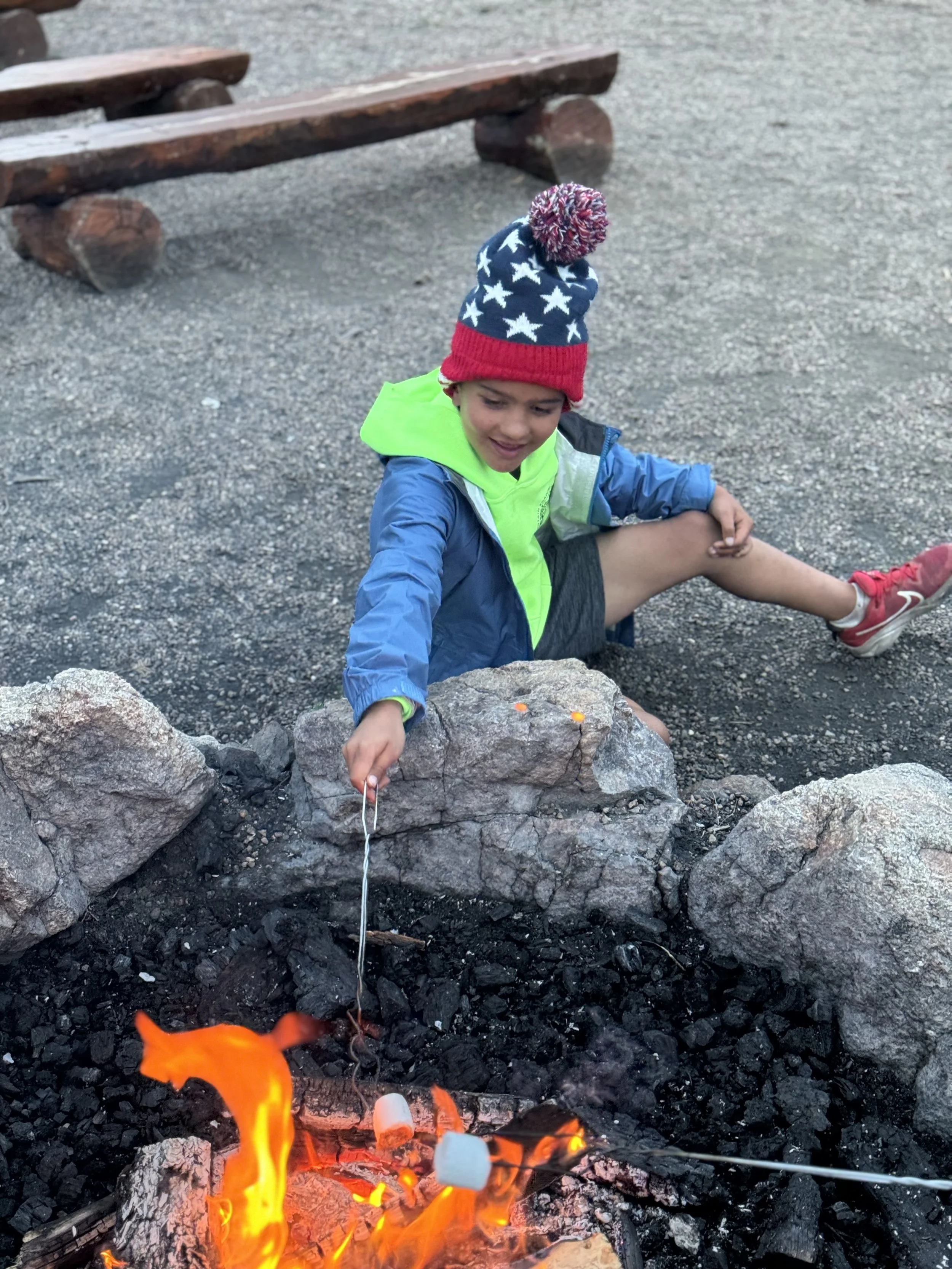
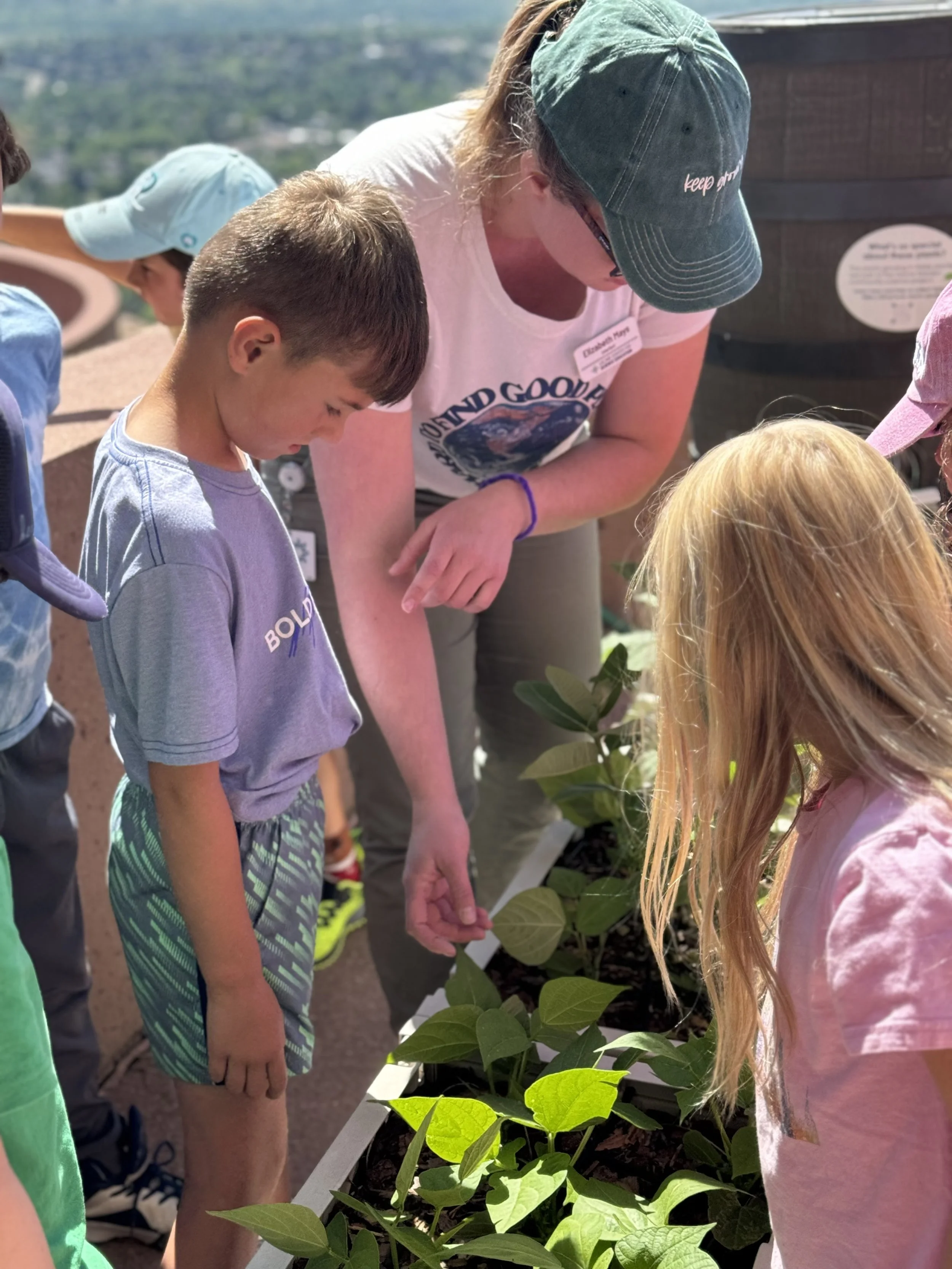
A defining feature of Montessori elementary education is the practice of going outs. These are purposeful, student-initiated excursions that extend learning into the real world.
Rather than adult-planned field trips, going outs arise from students’ questions and interests. Children identify a topic they want to explore further, collaborate with peers, research possibilities, plan logistics, communicate with adults, and reflect afterward on their experience. These trips might include visits to local businesses, museums, natural areas, or community organizations.
Through going outs, children practice:
Planning and organization
Communication and collaboration
Problem-solving and decision-making
Applying academic learning in real-world contexts
Traditional elementary programs often include scheduled field trips that are teacher-directed and curriculum-driven. While valuable, these experiences typically do not offer the same level of student ownership or responsibility.
In Montessori, going outs reflect a deep trust in children’s capabilities and reinforce the idea that learning is active, meaningful, and connected to the wider community.
Role of the Teacher
Montessori Guide
The teacher acts as a guide or facilitator, carefully observing students and offering lessons when children are developmentally ready. Rather than directing every moment, the guide supports independence, curiosity, and intrinsic motivation.
Traditional Teacher
The teacher serves as the primary source of instruction, guiding lessons, pacing, and classroom flow. This model emphasizes consistency, direct instruction, and external structure.
Assessment and Progress
Montessori
Progress is assessed through observation, student work, portfolios, conferences, and presentations. The focus is on growth, reflection, and mastery rather than comparison. Children learn to assess their own work and take ownership of their progress.
Traditional
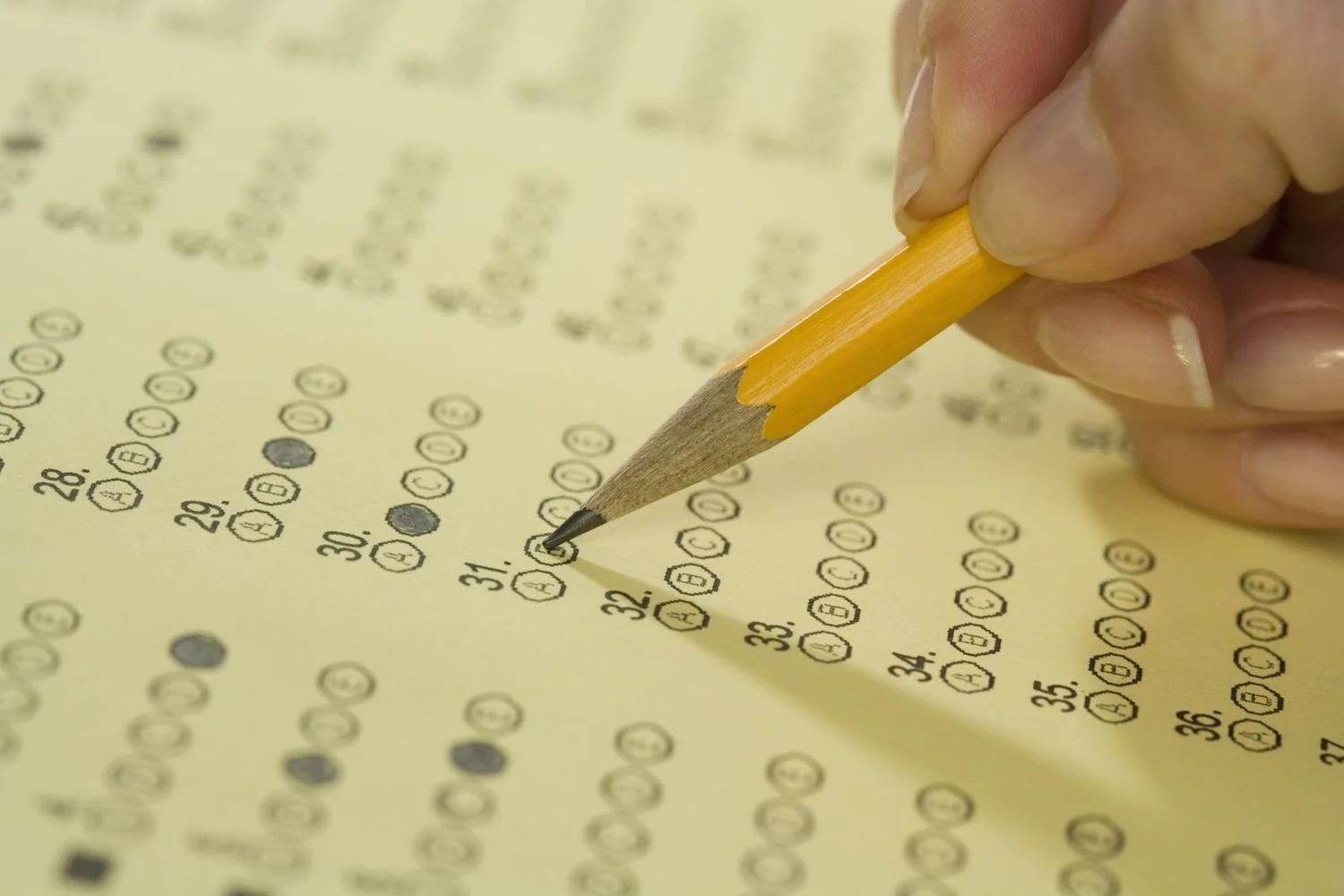
Assessment often relies on grades, tests, quizzes, and standardized evaluations. These provide clear benchmarks and comparisons across peers and grade levels.
Preparing Children for the Future
Montessori elementary education intentionally supports:
Executive functioning and time management
Collaboration and leadership
Deep conceptual understanding
Confidence and self-efficacy
A genuine love of learning
Traditional education often emphasizes:
Academic pacing and benchmarks
Test preparation
Structured routines
External accountability
Which Is Right for Your Child?
There is no one-size-fits-all answer. Montessori environments tend to thrive for children who are curious, self-motivated, and benefit from hands-on, exploratory learning. Traditional settings may feel supportive for children who prefer clear structure, direct instruction, and predictable routines.
The best choice is one that aligns with your child’s learning style, your family’s values, and the kind of learner you hope your child becomes.