
Before You Choose Kindergarten, Read This
One of the most common questions we receive is about Kindergarten.
In traditional education models, preschool and kindergarten are often viewed as two distinct steps. Preschool is play-based and social. Kindergarten becomes more academic, more structured, and more teacher-directed.
In recent years, some independent schools have introduced what is often called “Transitional Kindergarten” — a bridge year designed to offer smaller class sizes and a gentler shift into academic expectations. For many families, the appeal is understandable. Smaller classes can feel more personalized. The structure can feel reassuring.
And yet, what often remains consistent in those environments is a standardized, teacher-driven curriculum. Scope and sequence are predetermined. Benchmarks are fixed. Instruction moves forward as a group.
In Montessori, we approach it differently.
Pre-K and Kindergarten are not bridge years.
They are the culmination of a three-year developmental arc.
Our Primary classrooms are intentionally structured for children to remain for three years. During the first year, children absorb the environment and build foundational skills. In the second year, those skills deepen and solidify. By the third year, something powerful happens.
The child who once observed now leads.
The child who practiced now masters.
The child who depended now guides.
The Kindergarten year is not a repeat year. It is a consolidation year.
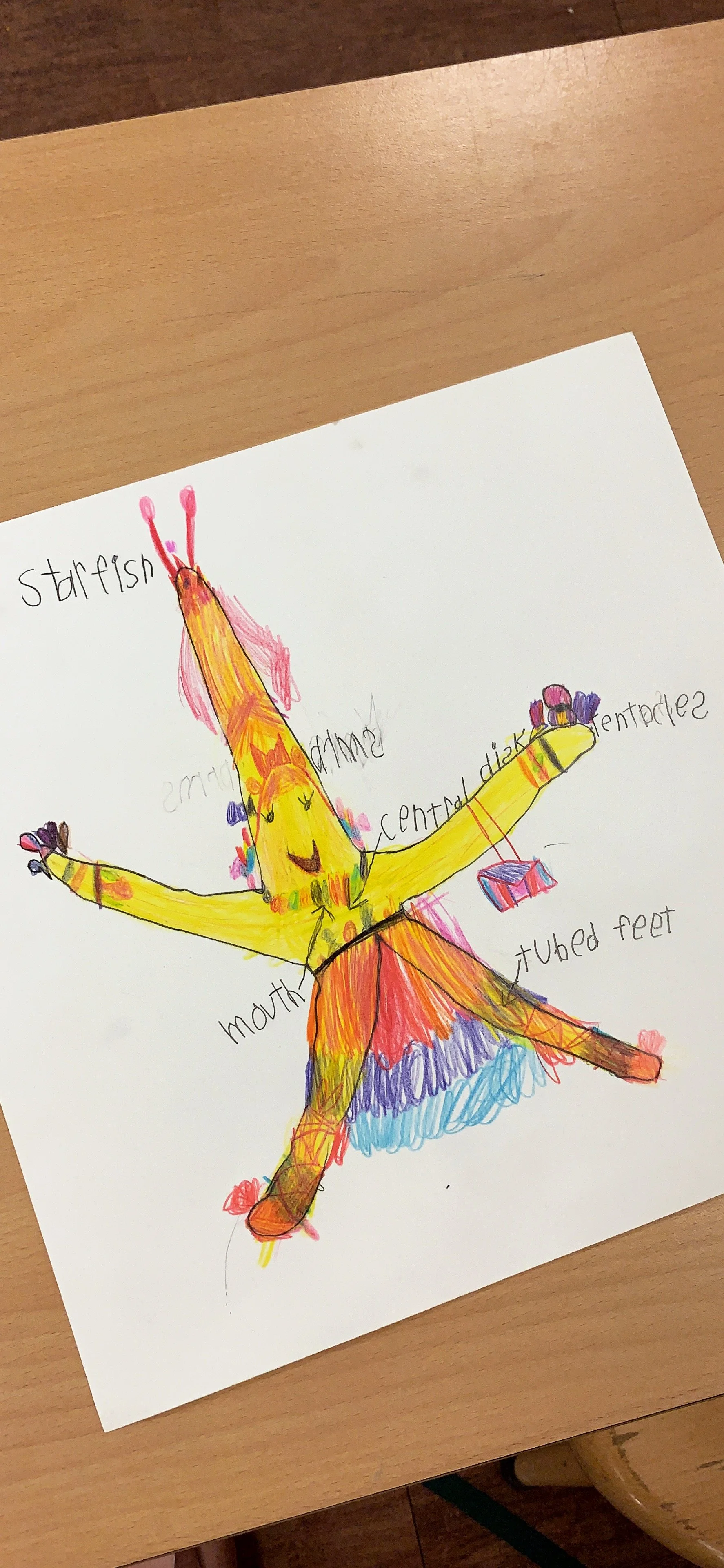
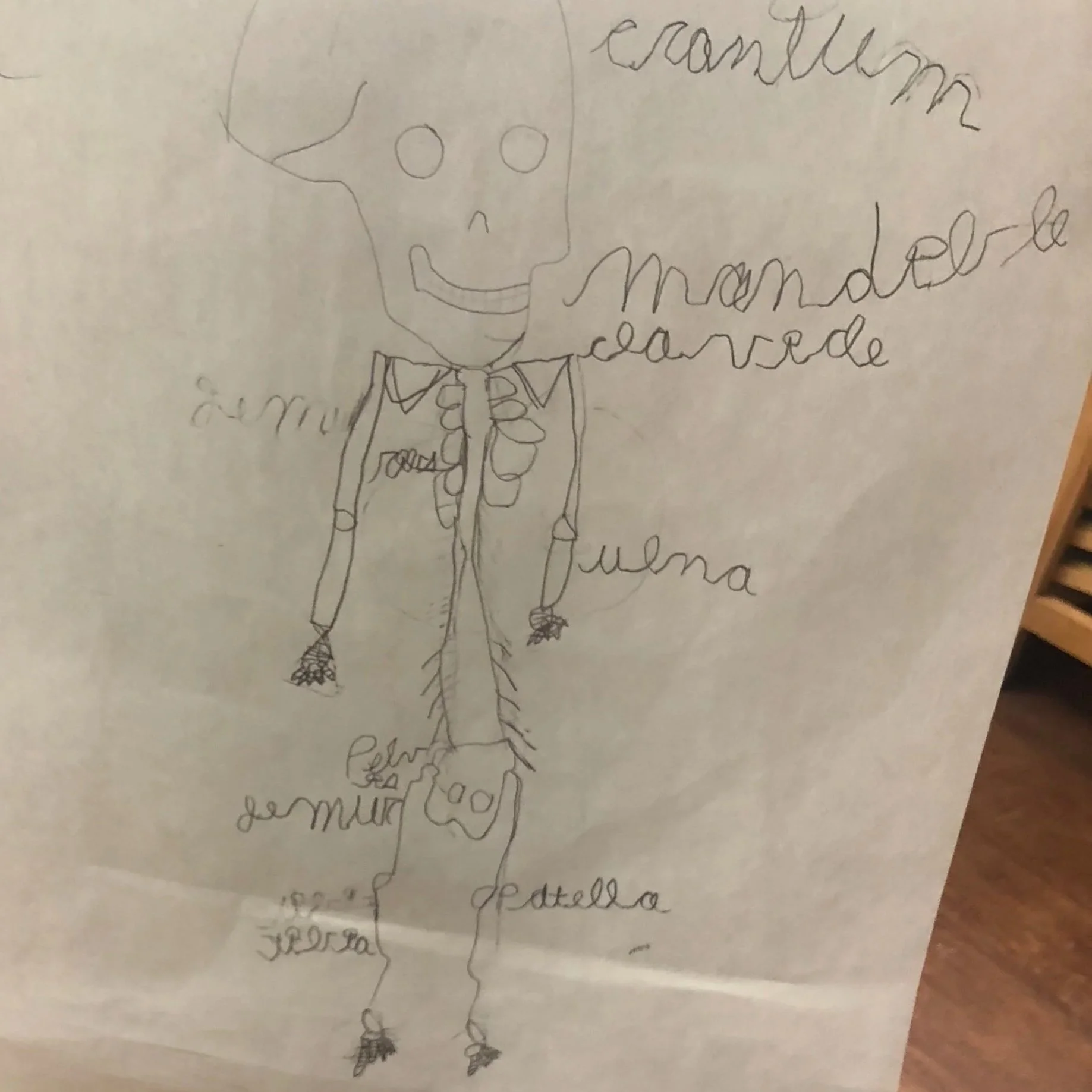
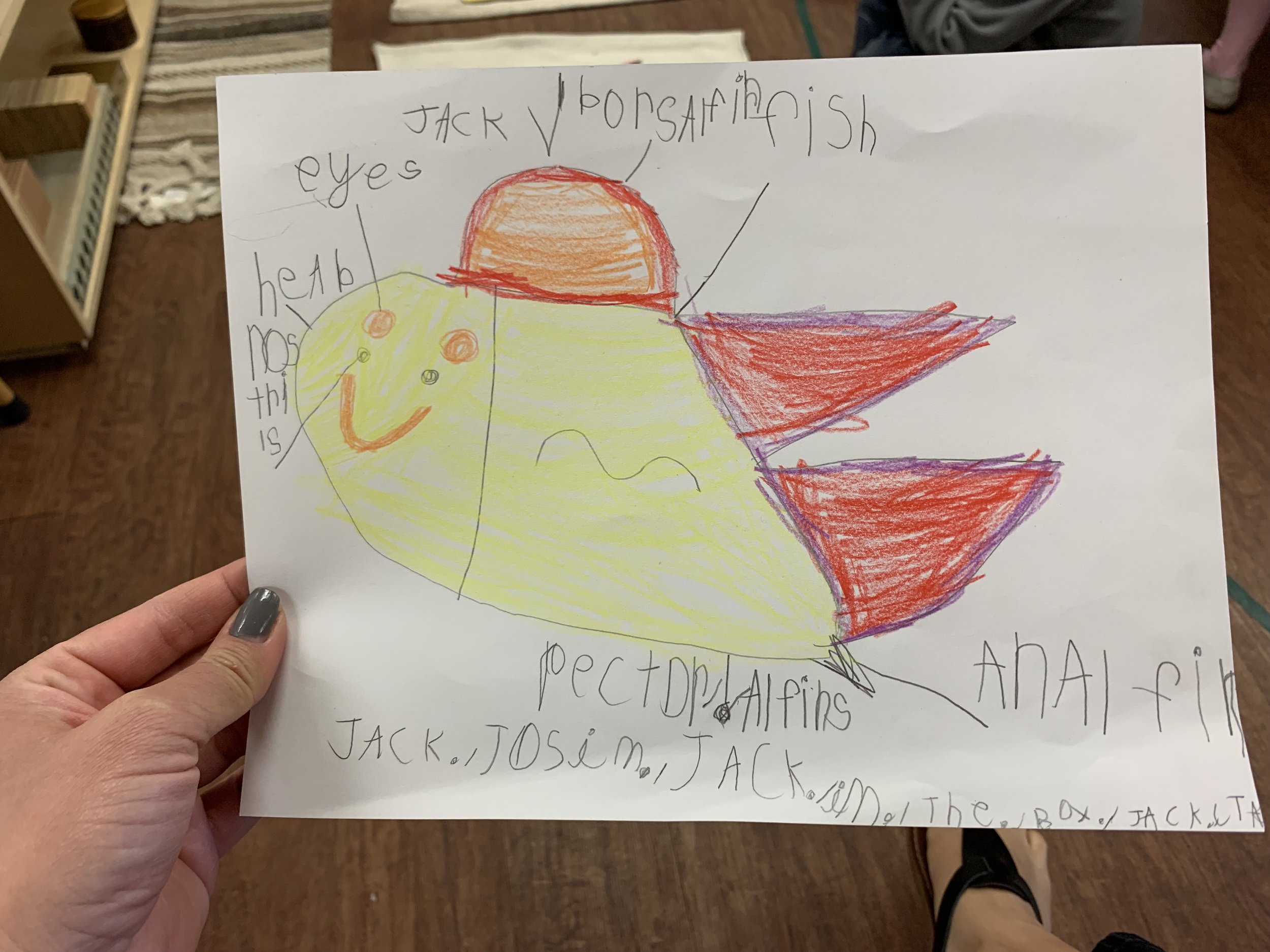
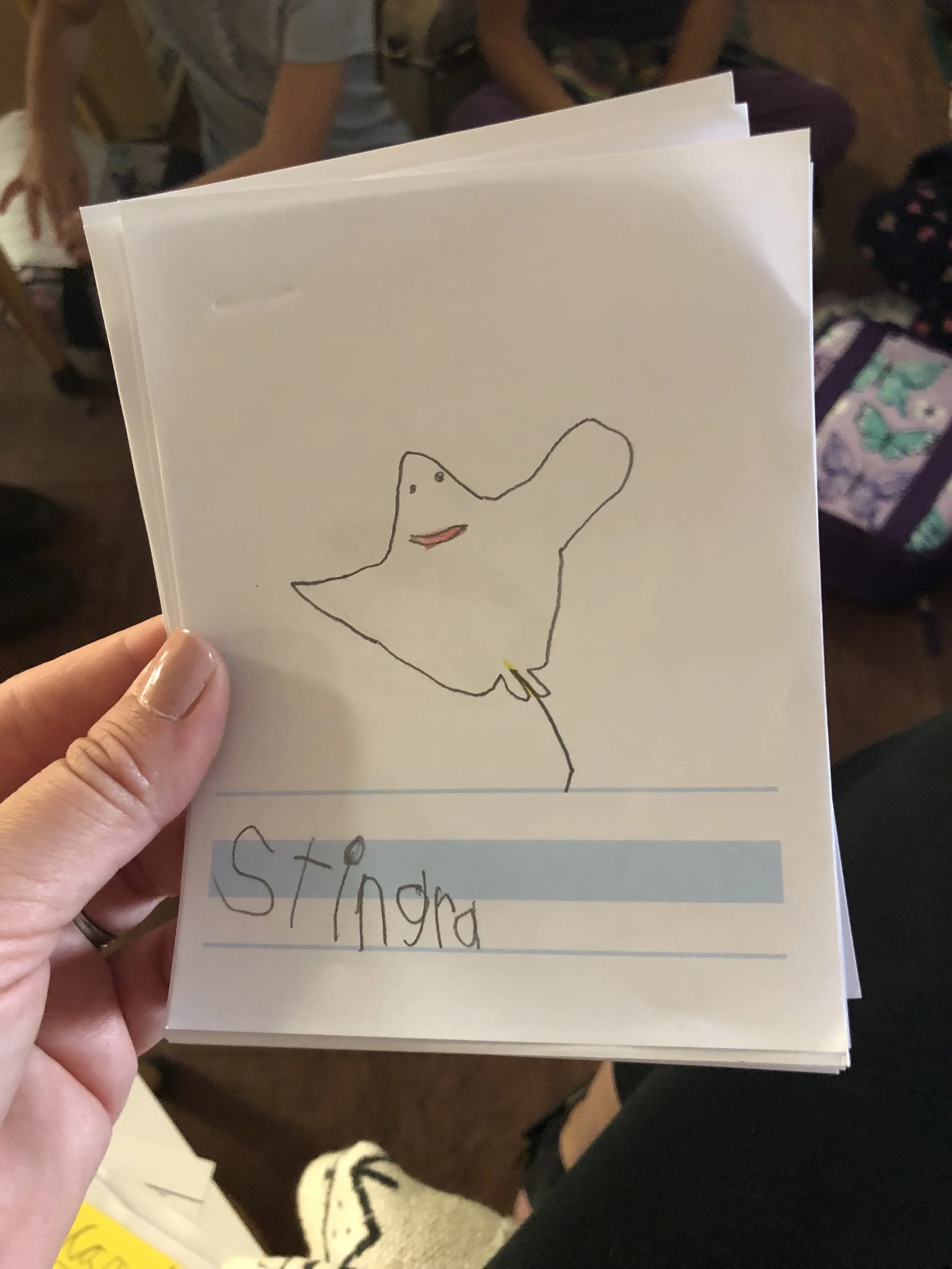
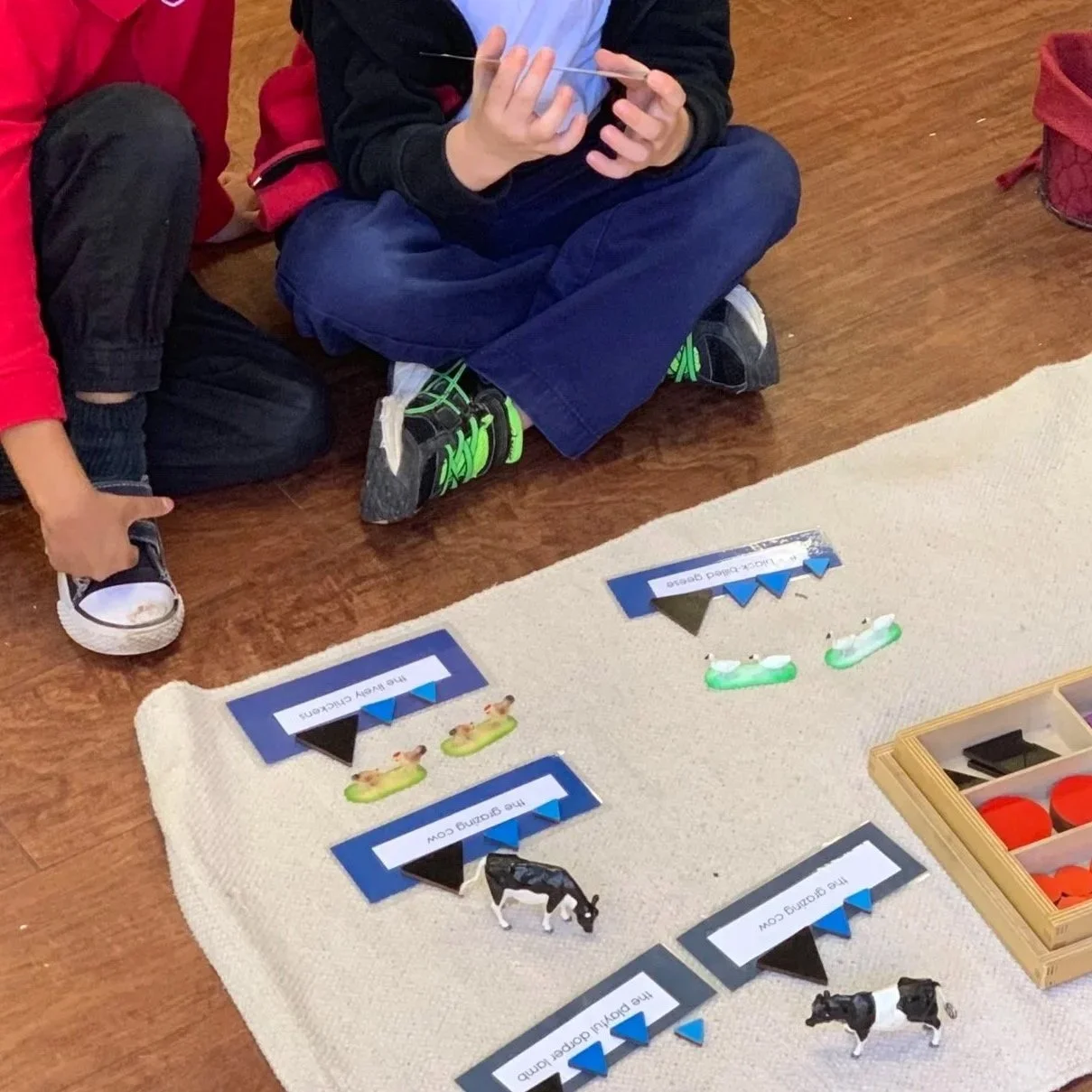
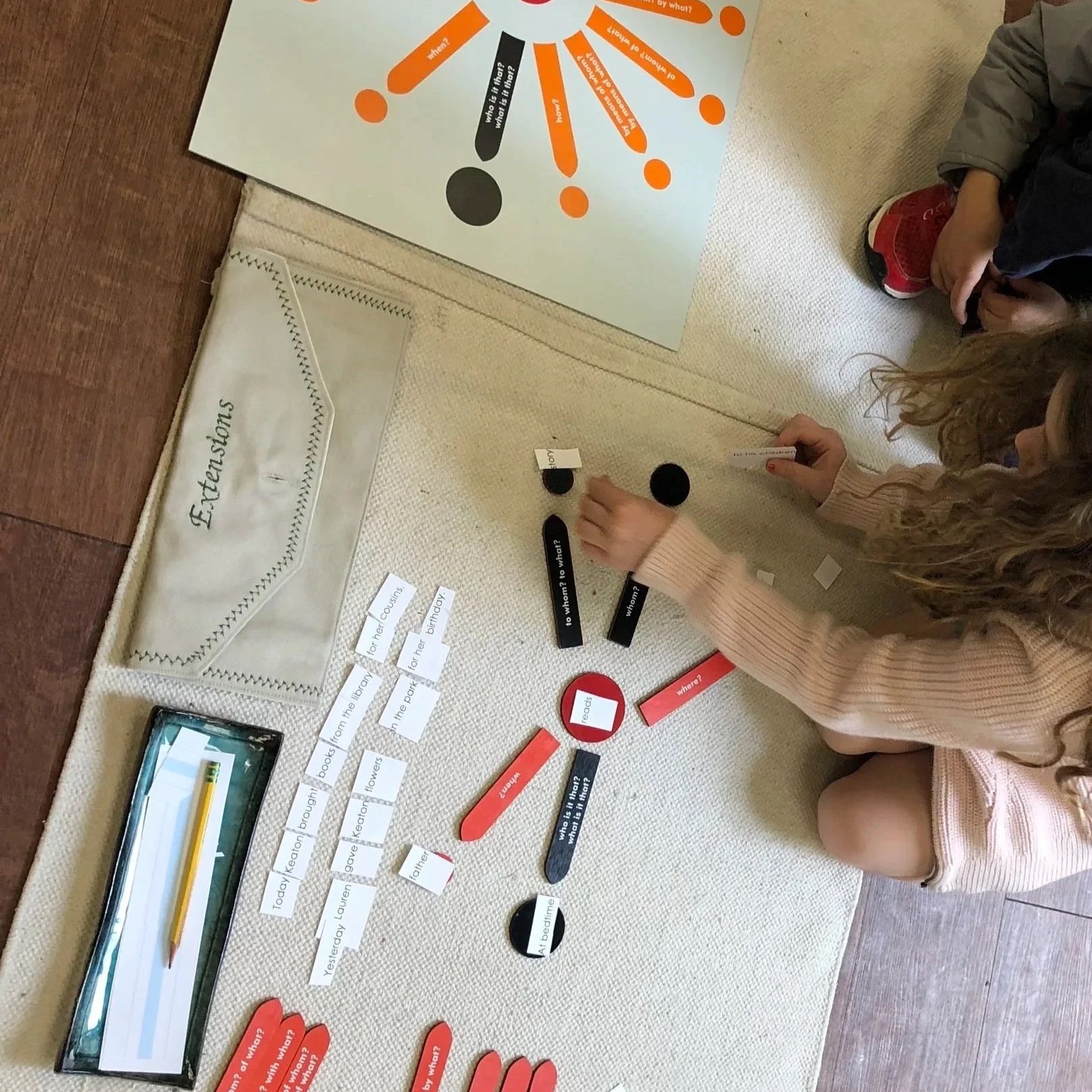
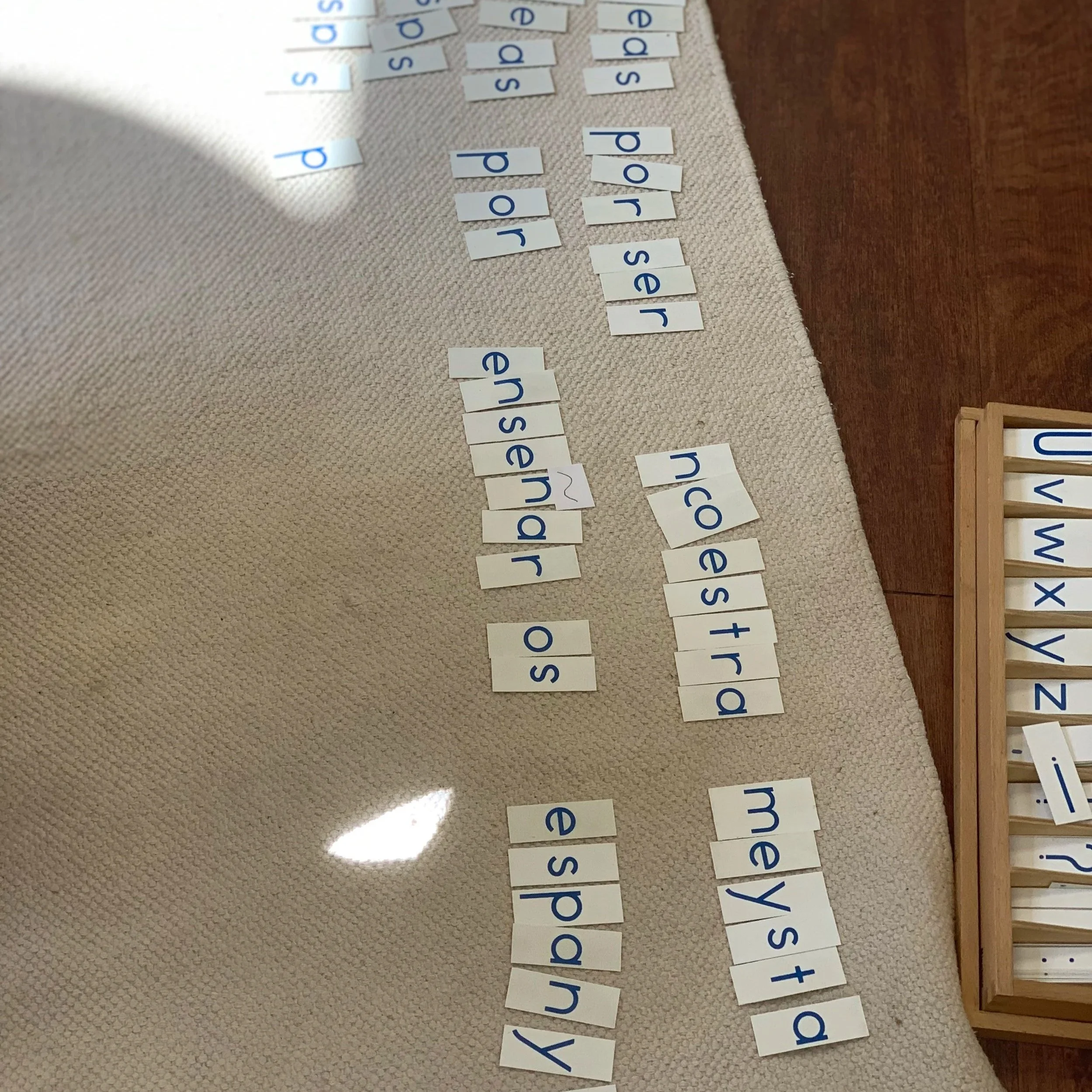
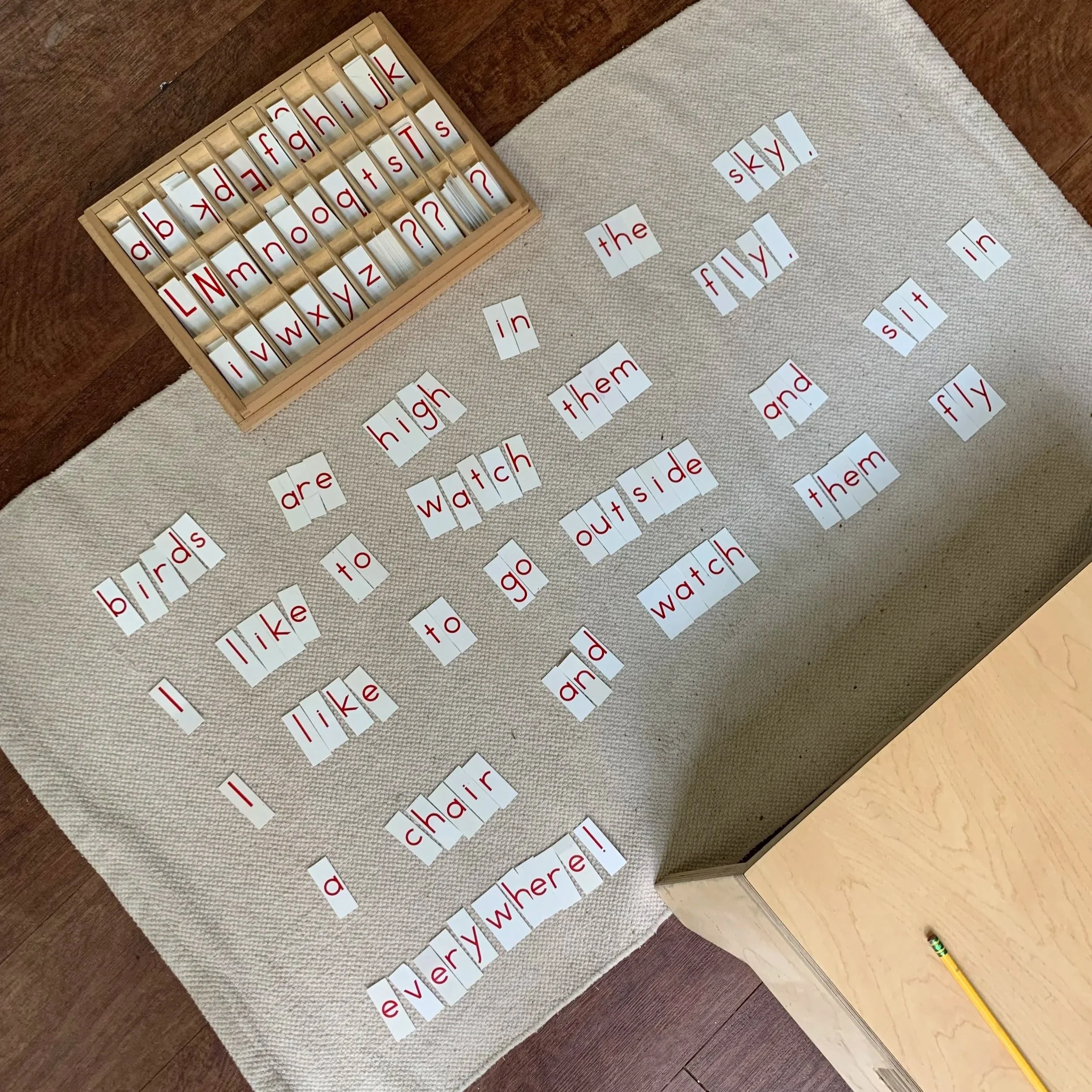
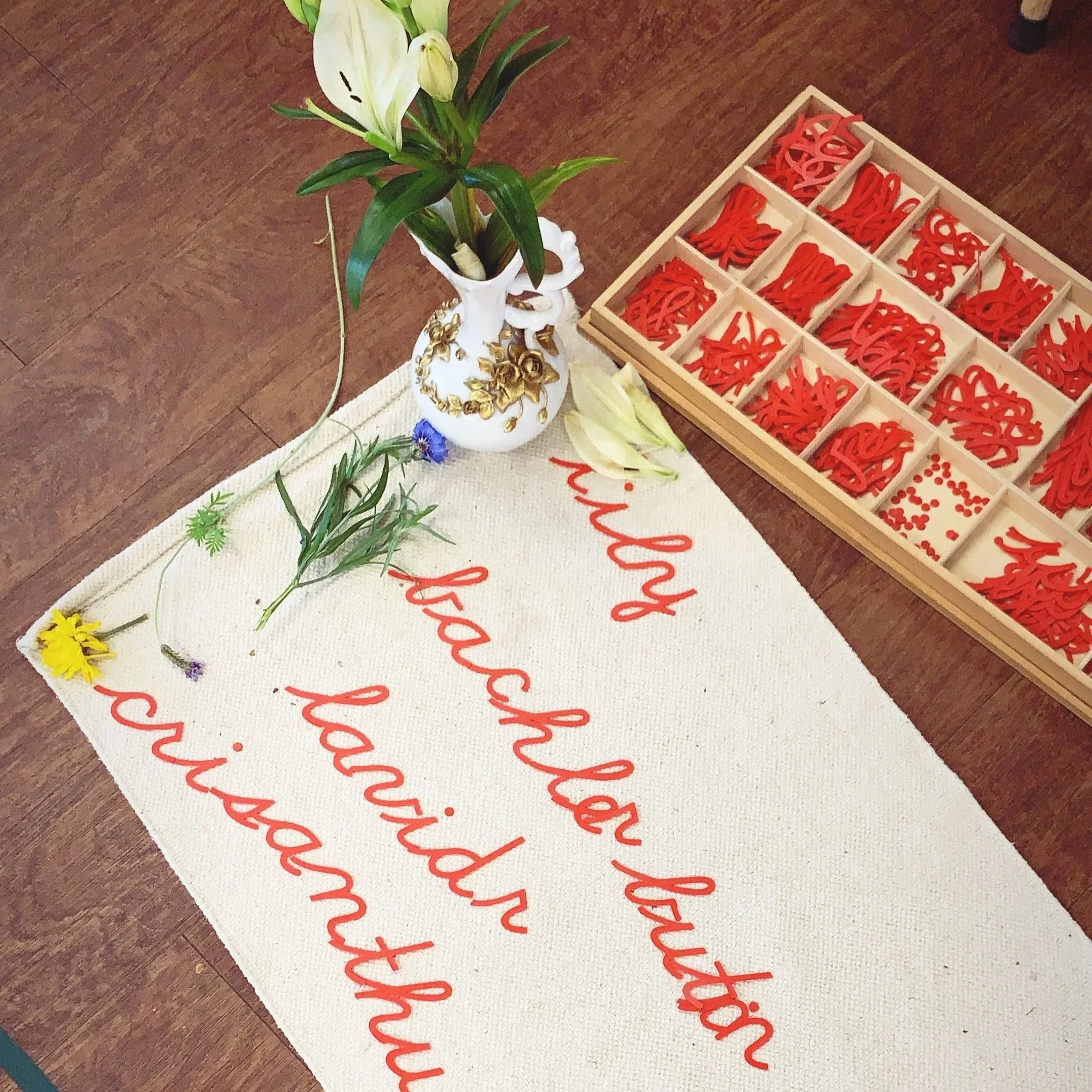
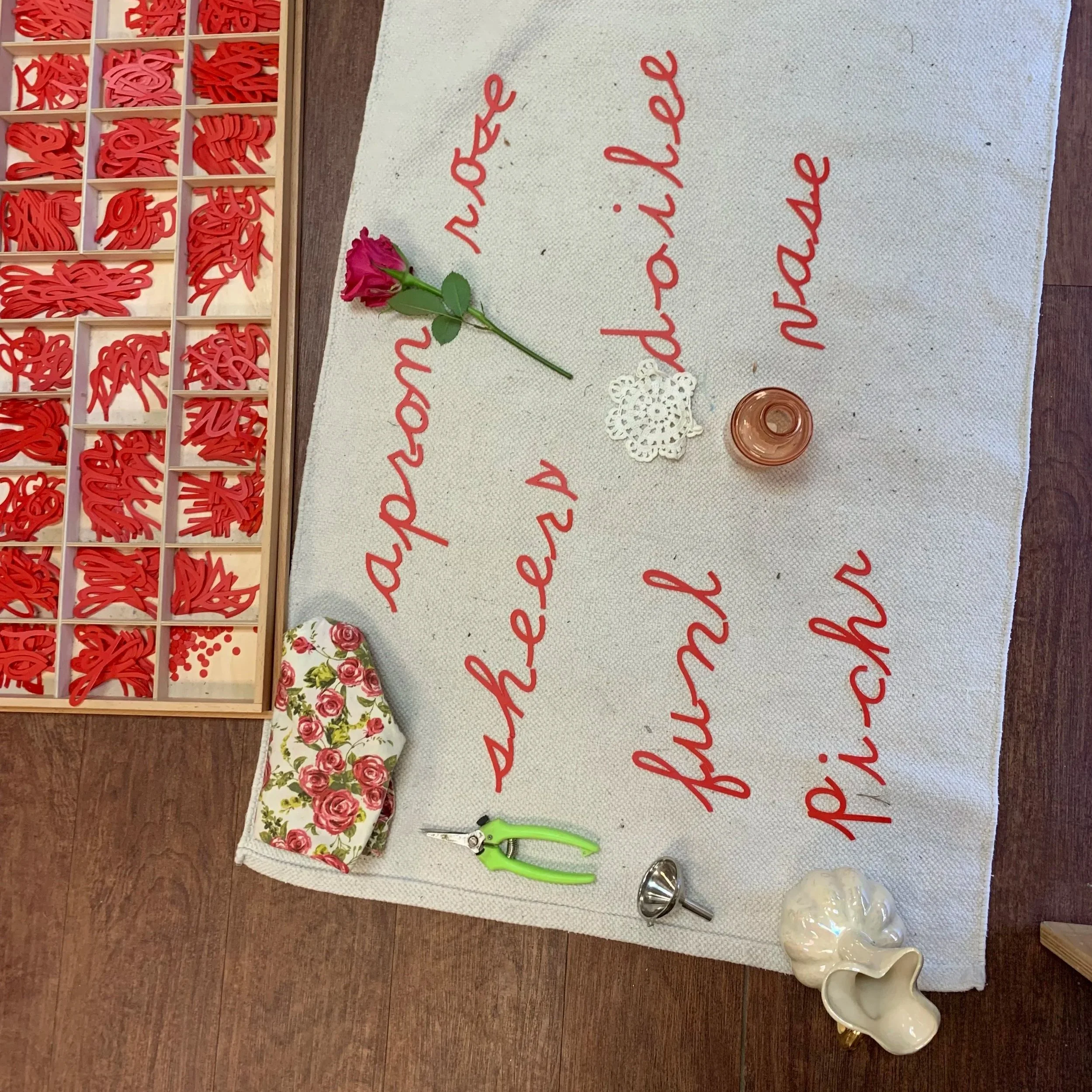
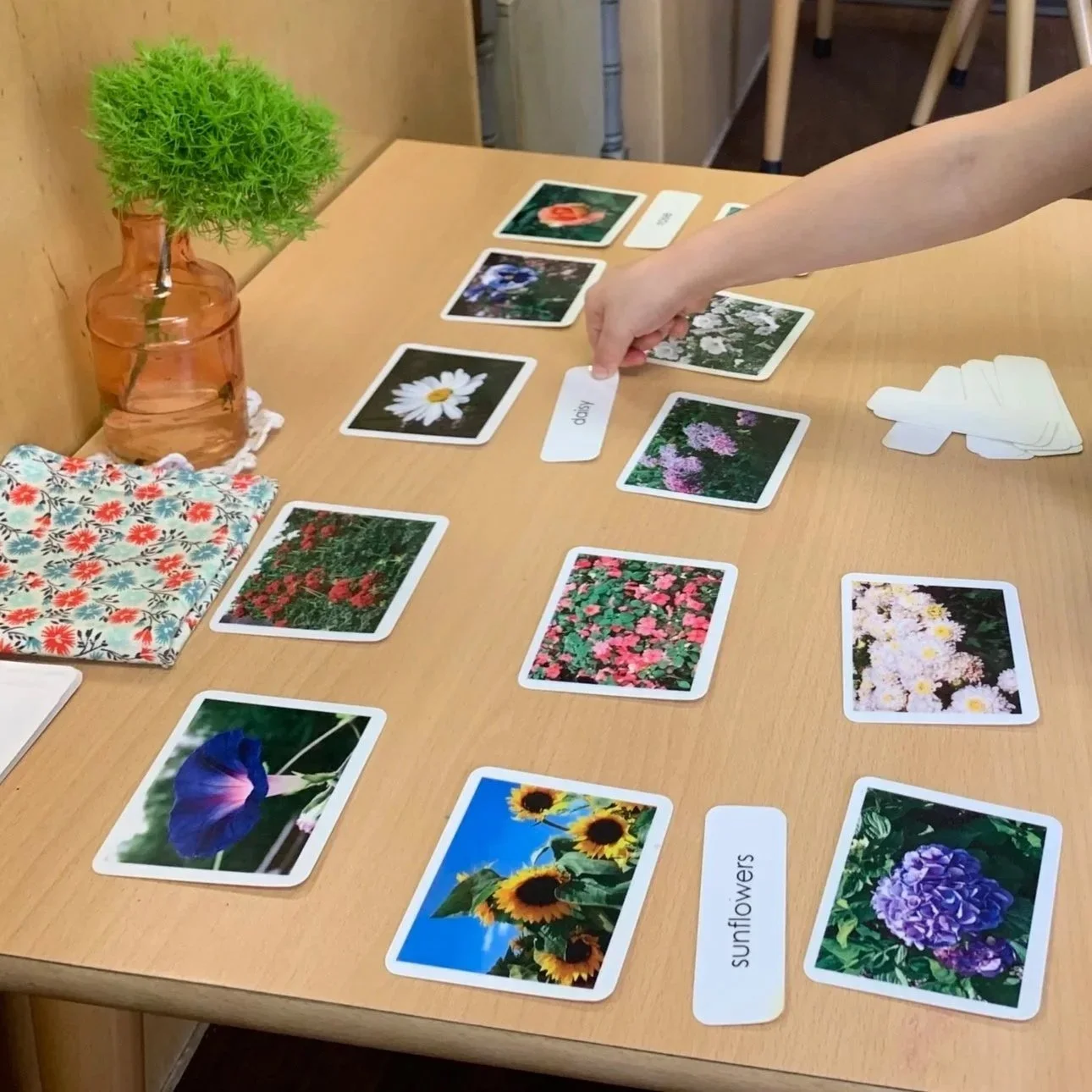
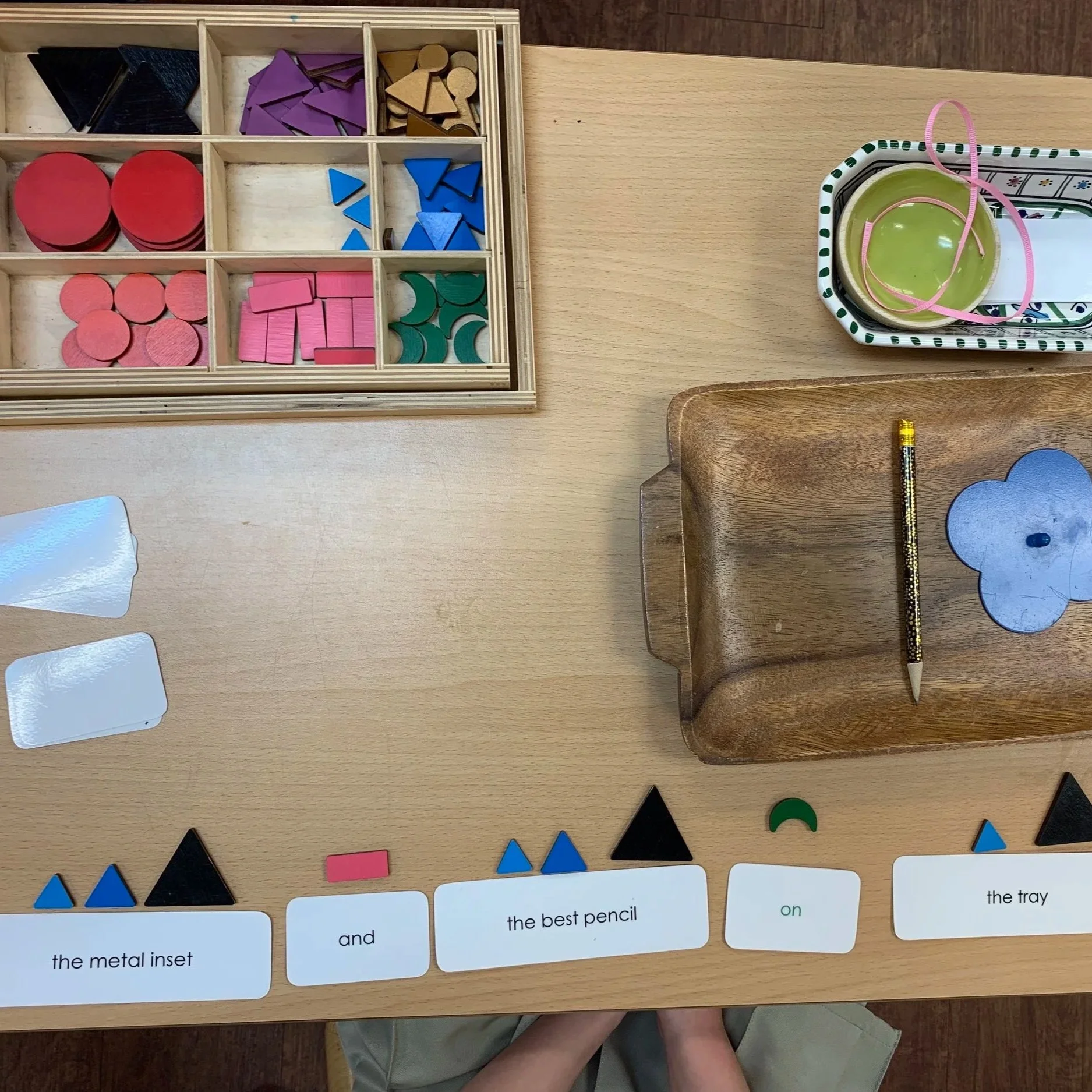
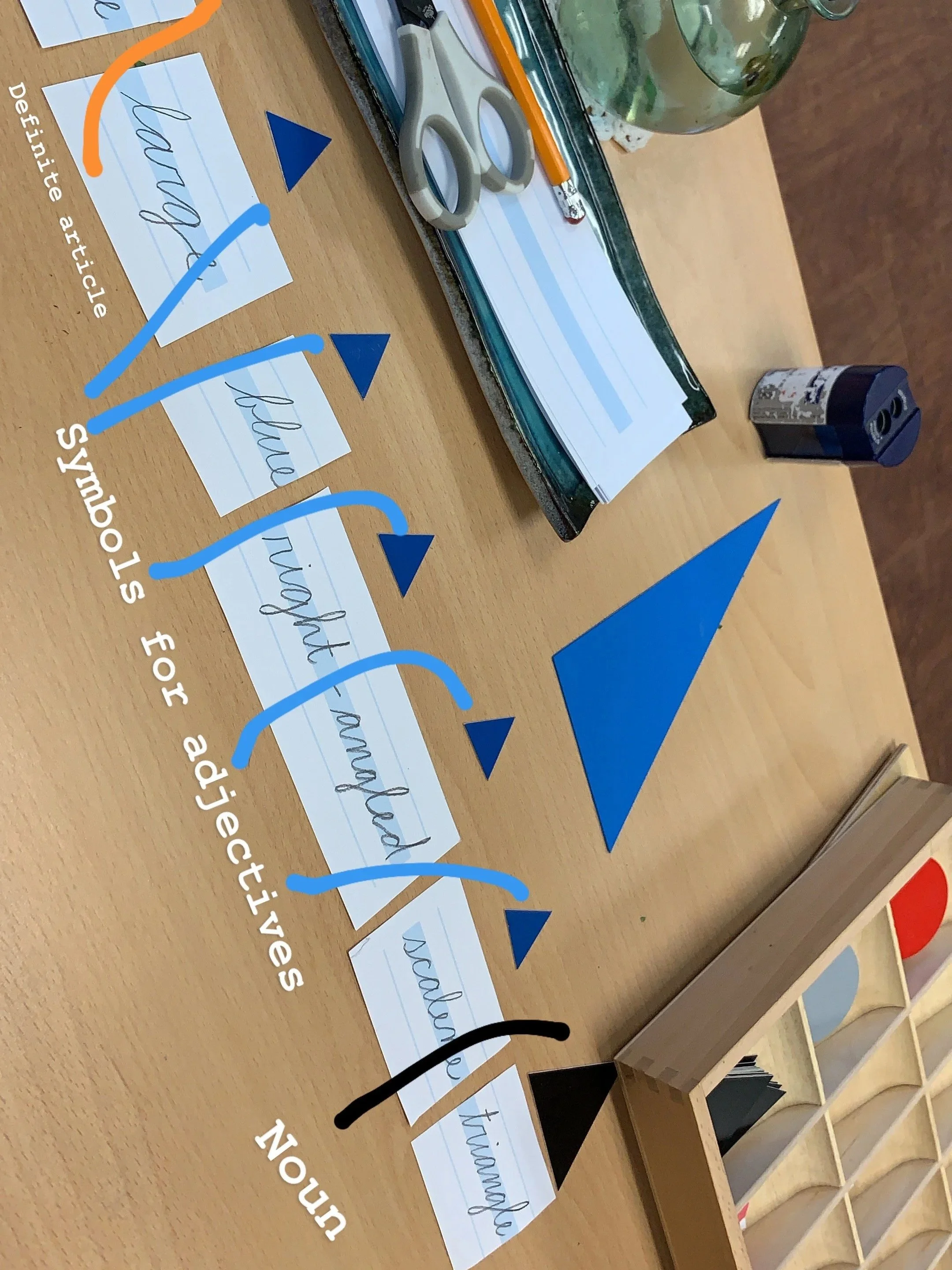
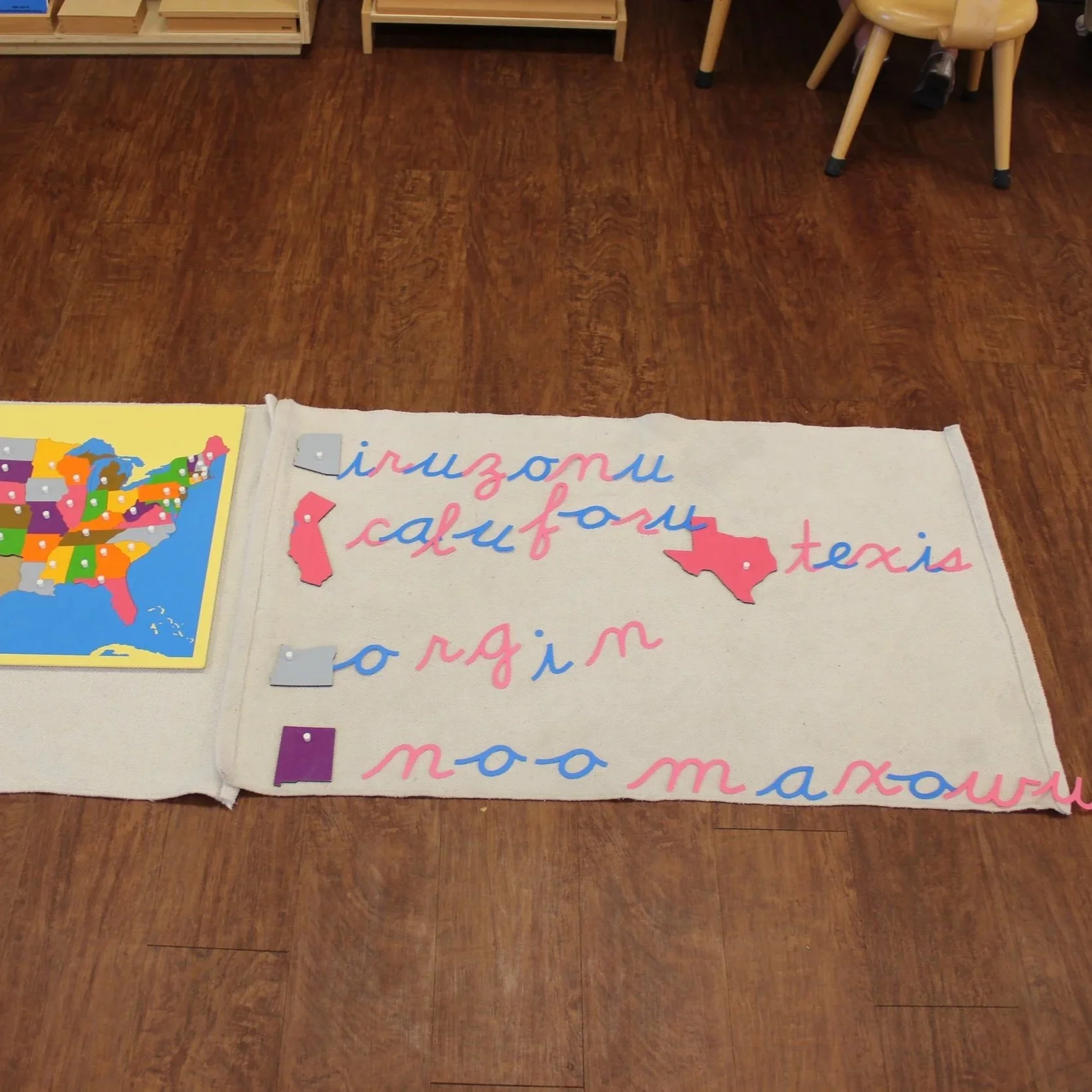
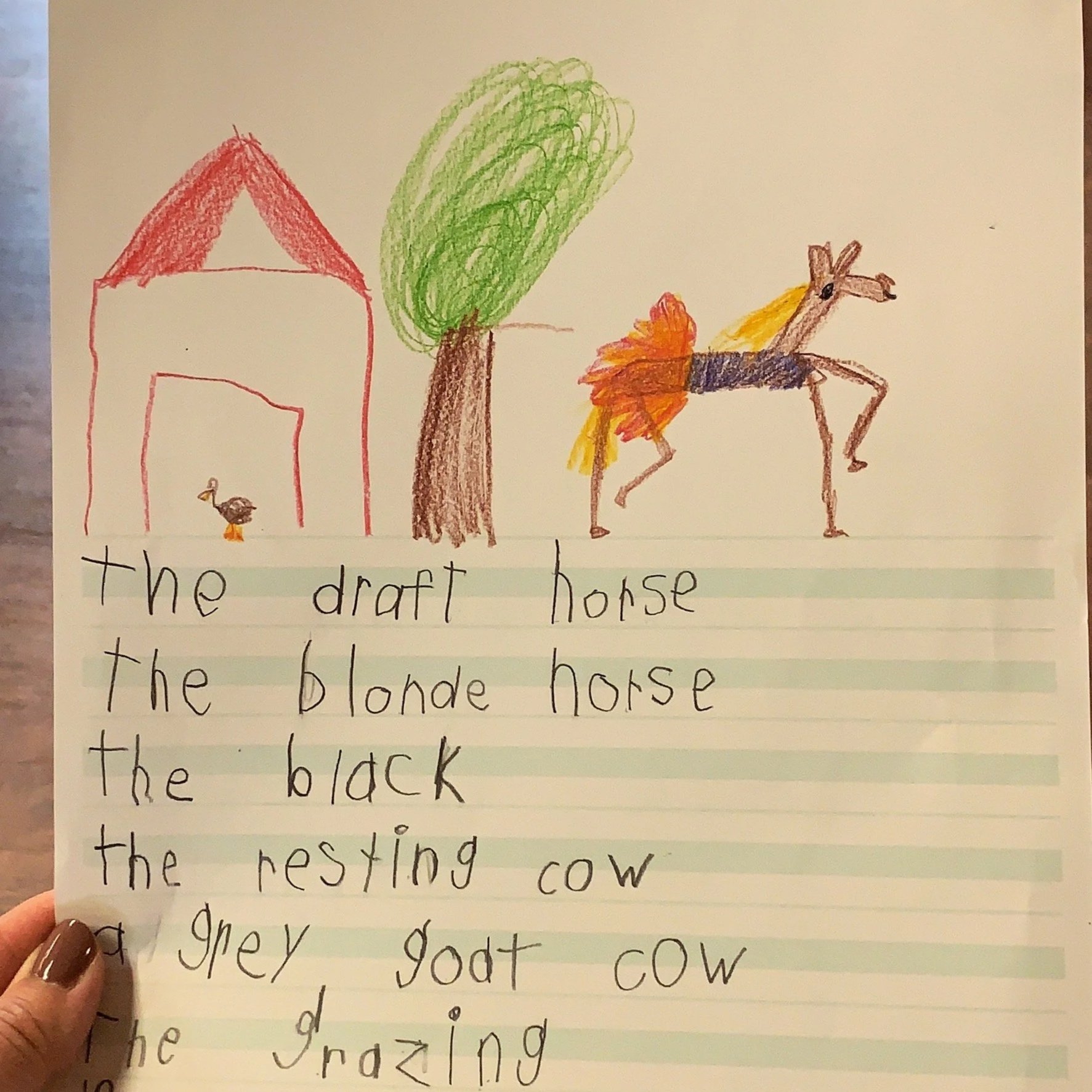
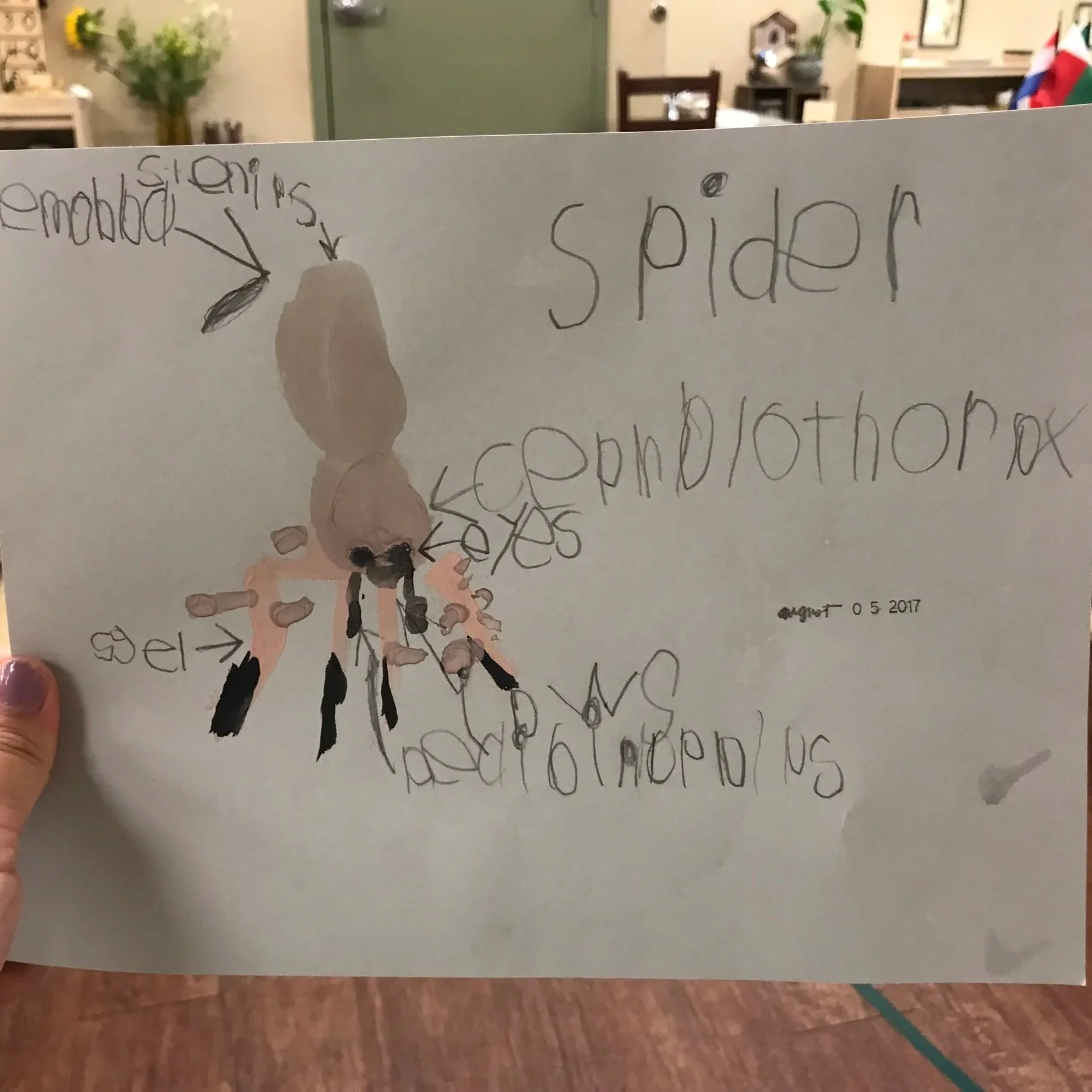
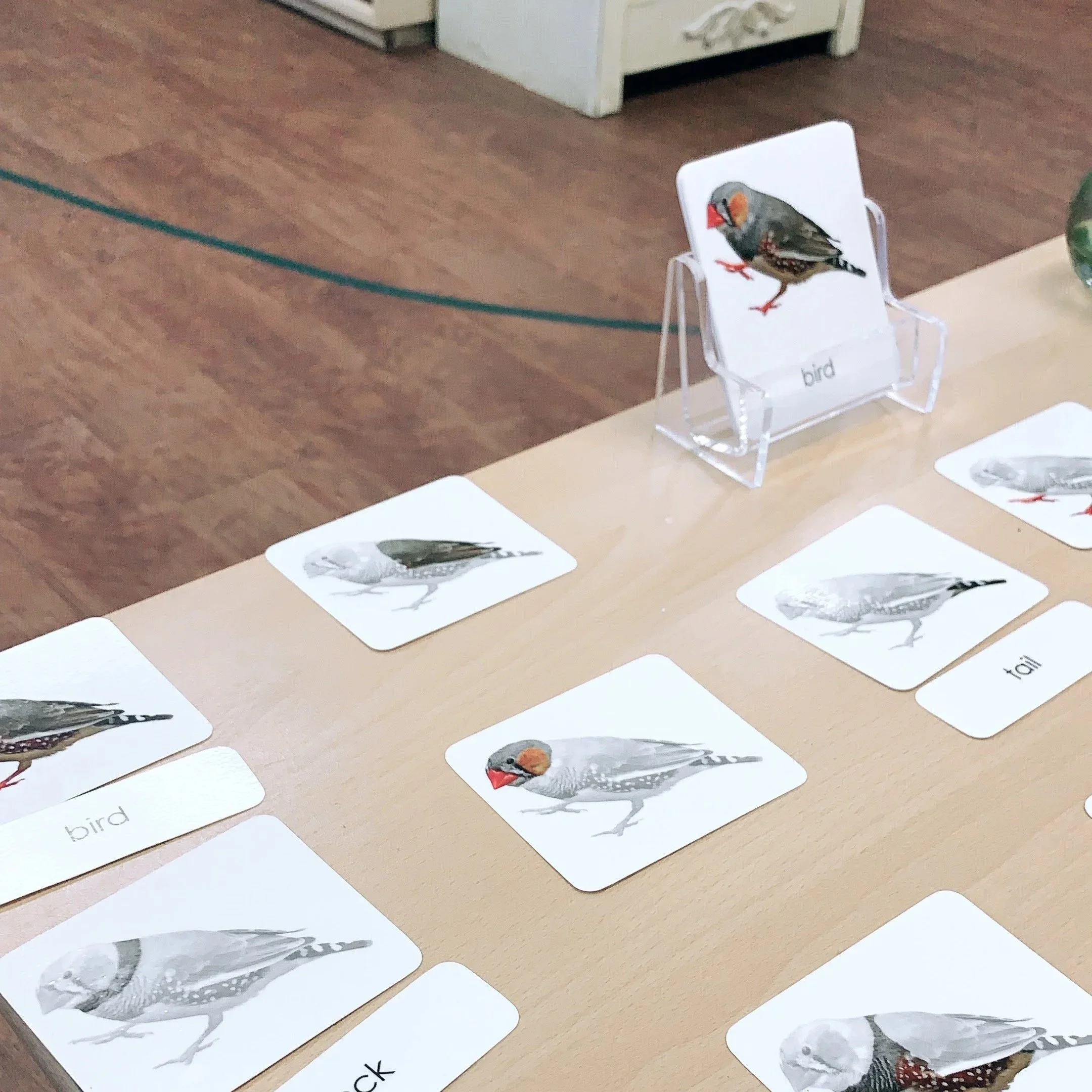
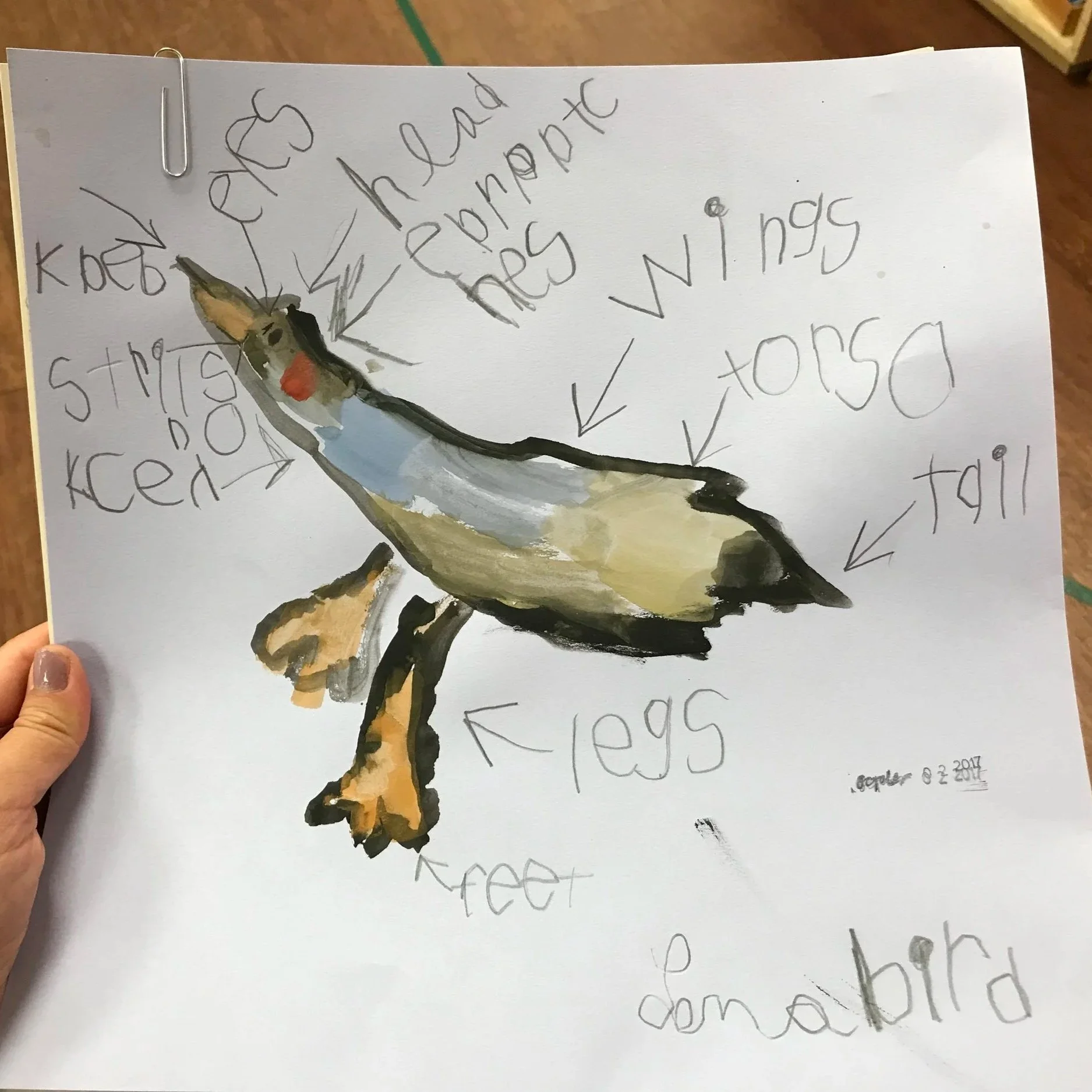
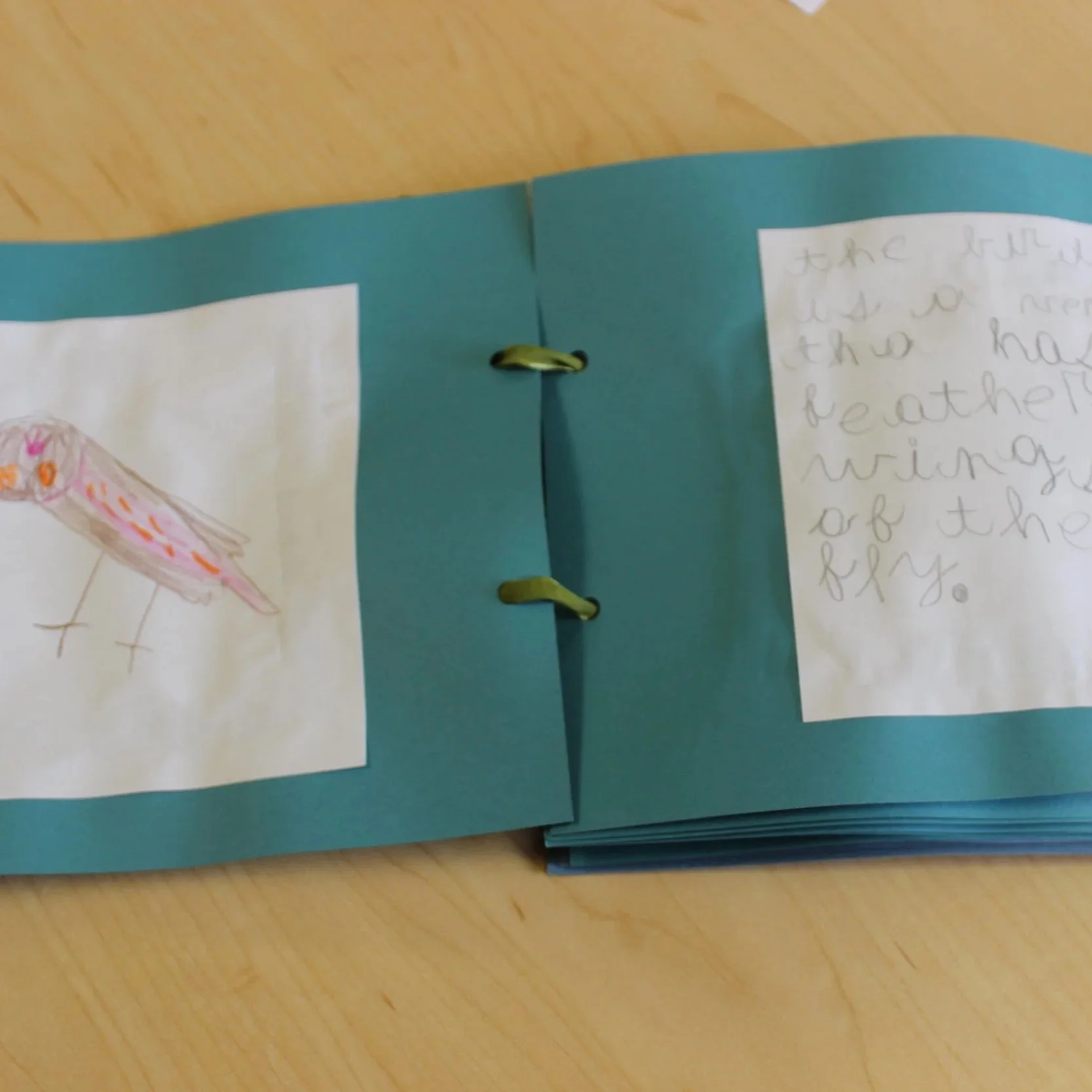
Let’s look at a few examples of language and literacy progression first, shall we?
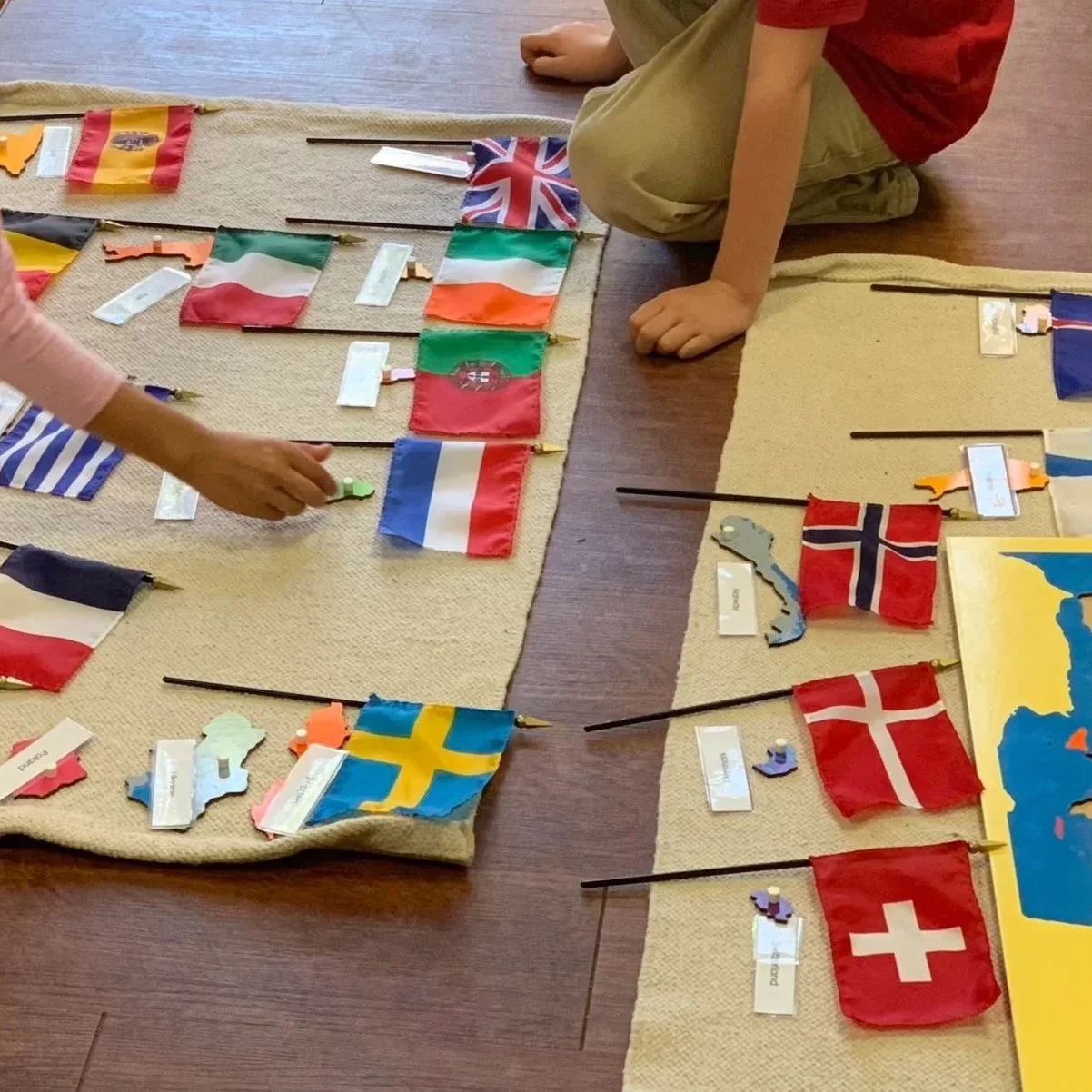
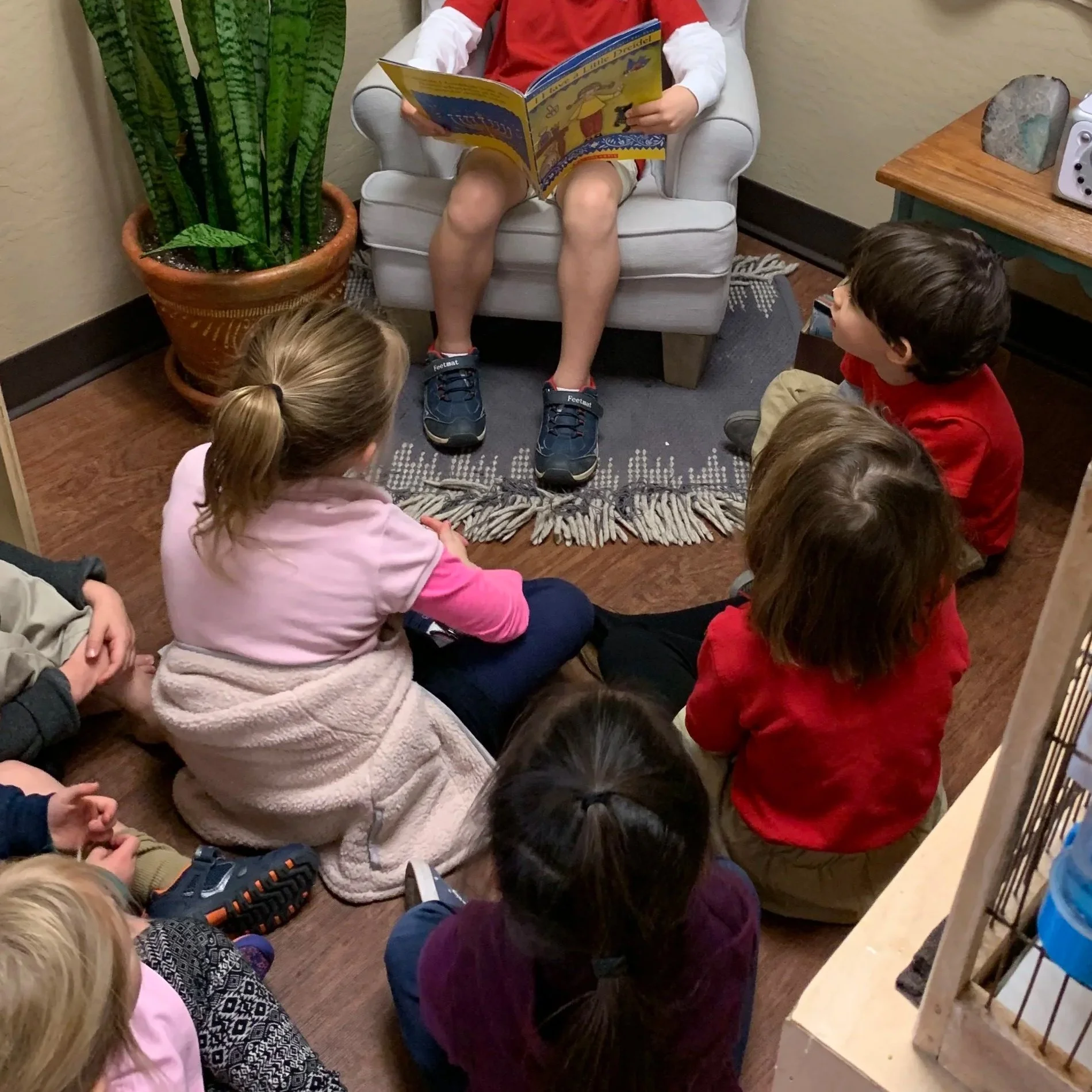
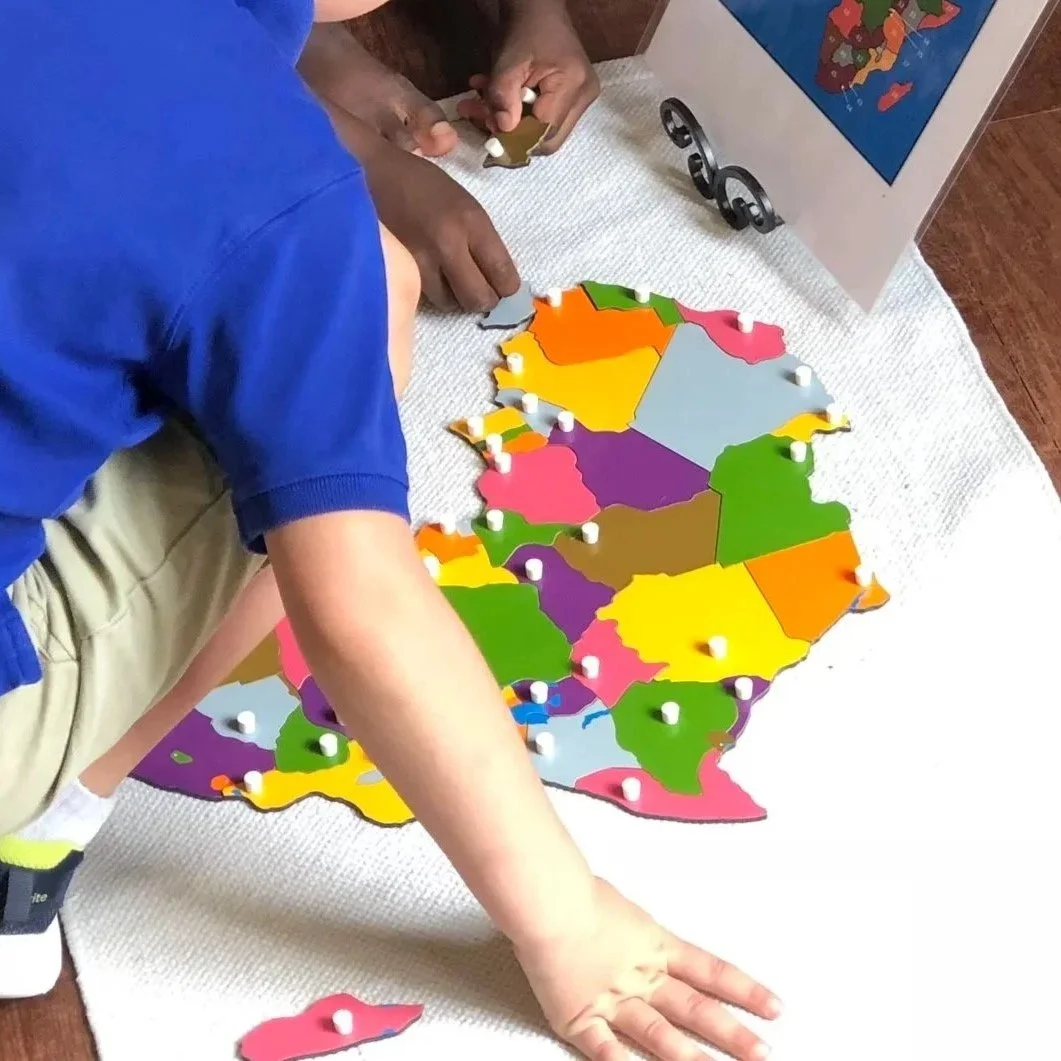
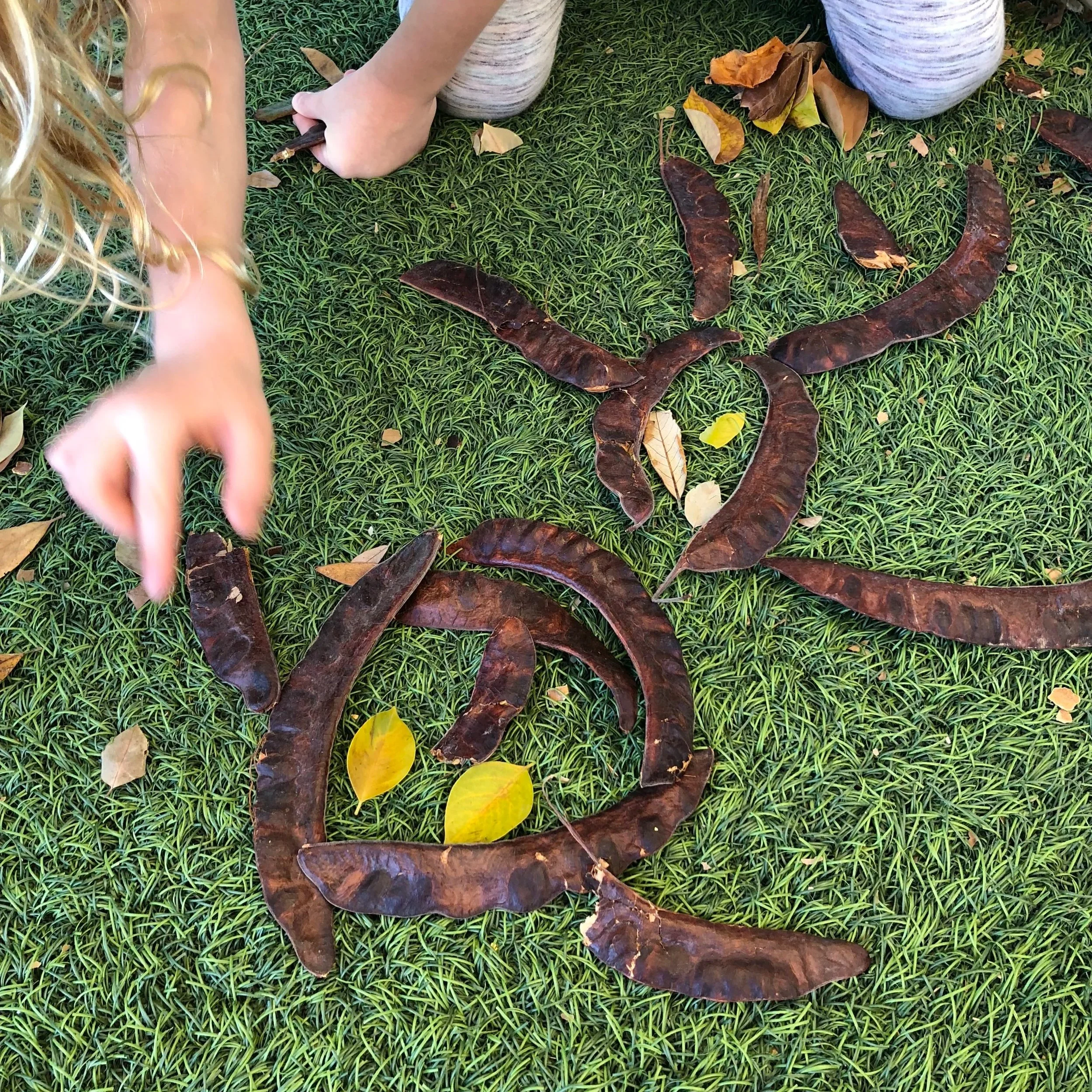
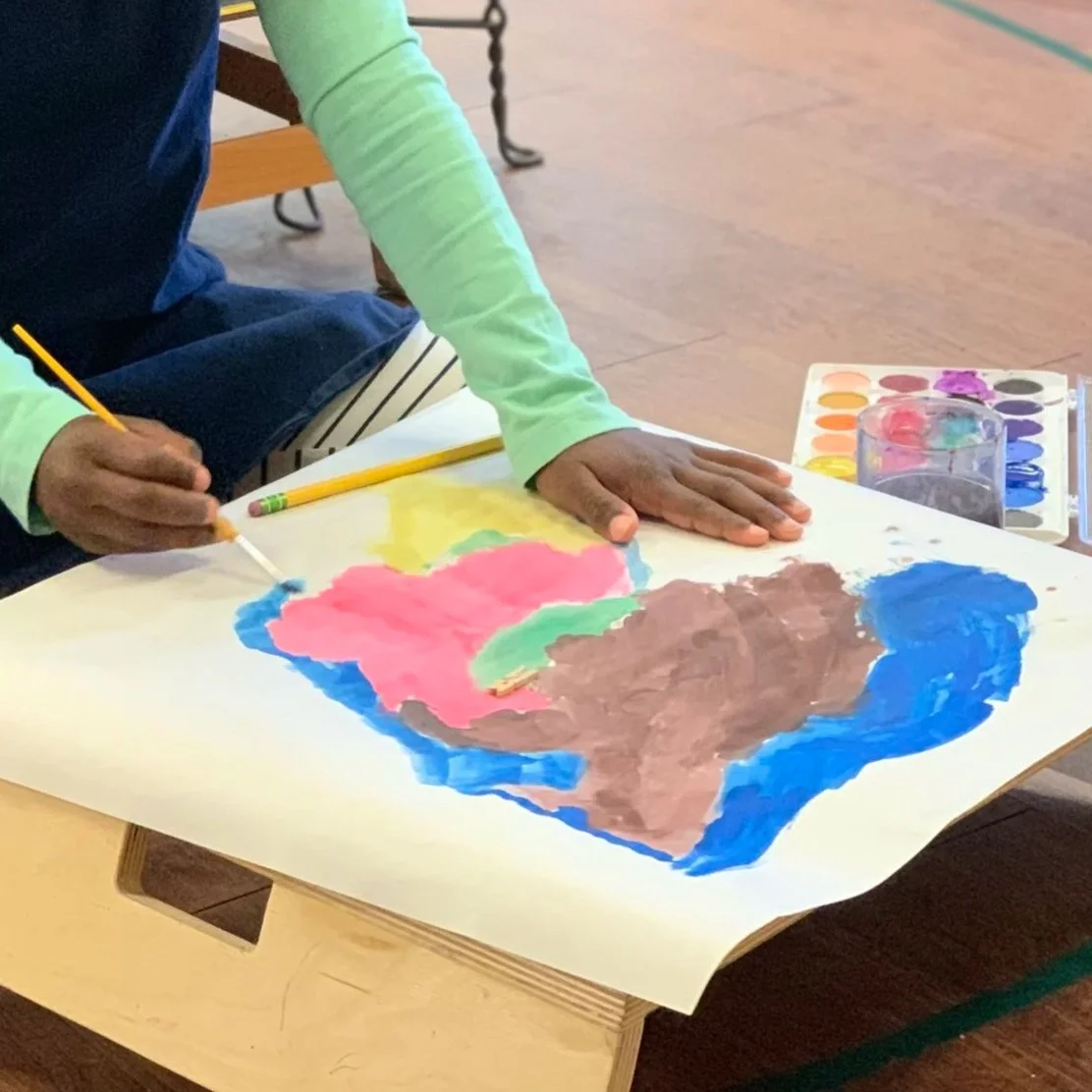
NOTE: Images in the next three slideshows are captioned and best viewed on a desktop. If you are on mobile, rotate your screen and scroll on each caption to read in full, or please revisit from a desktop a a later time.
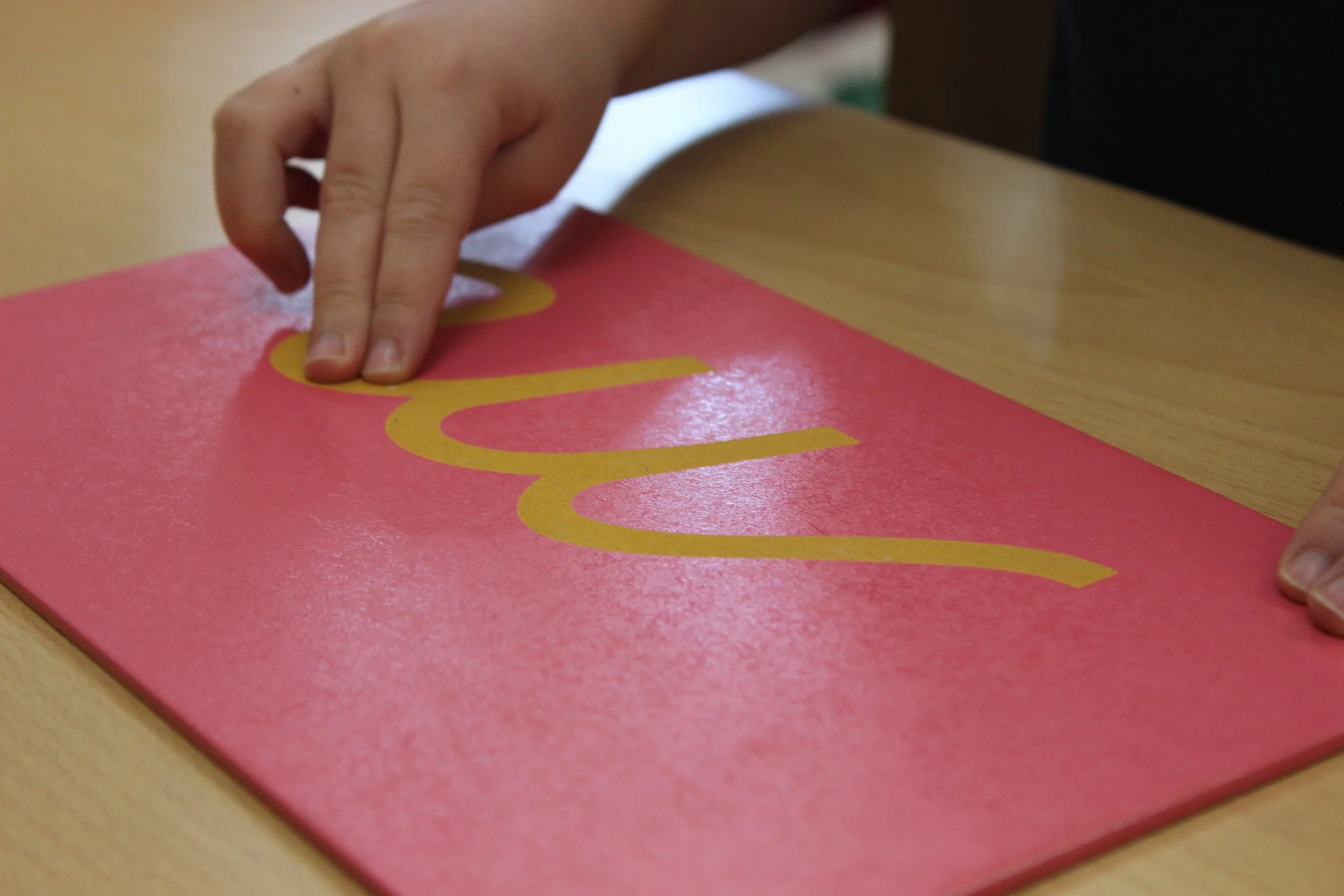
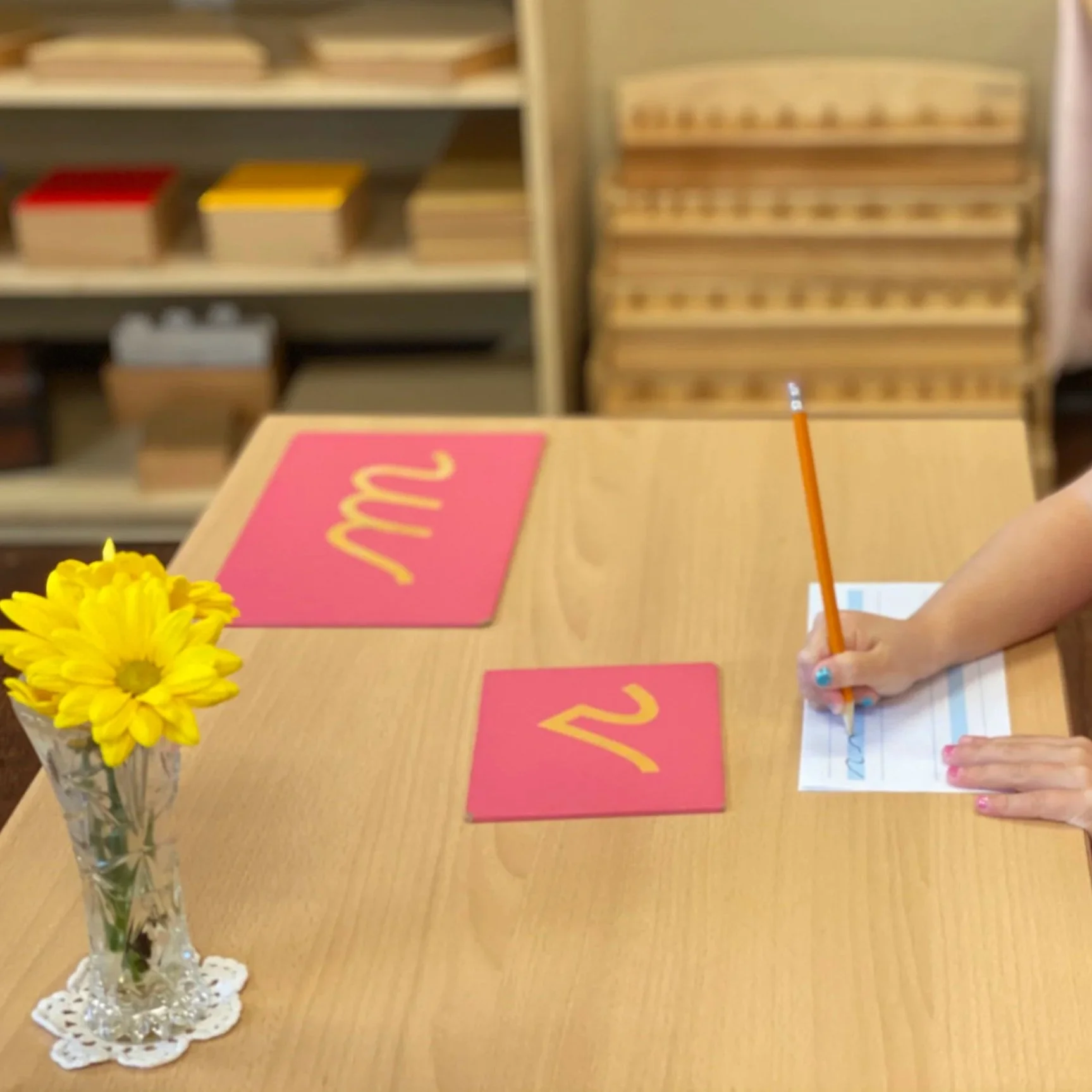
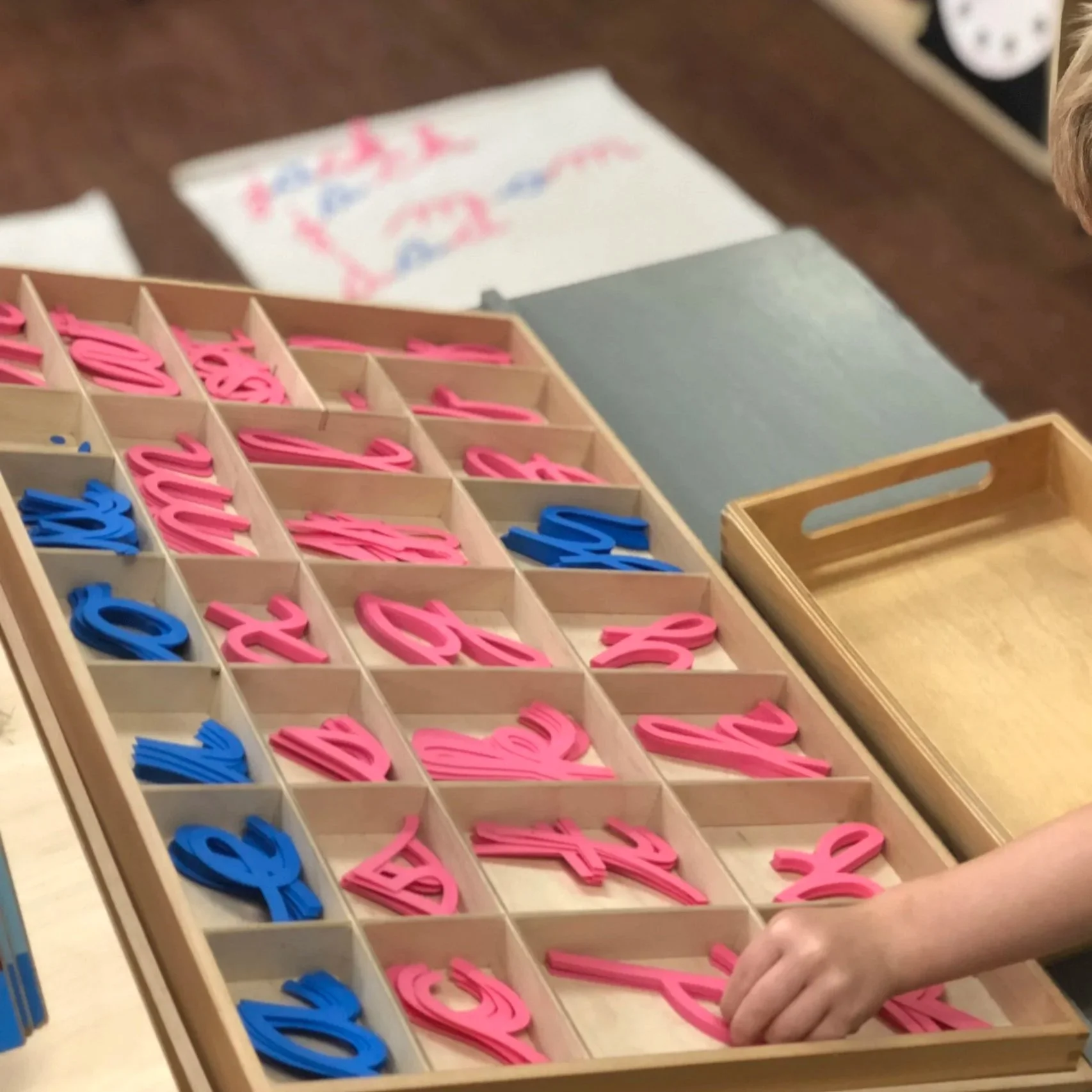
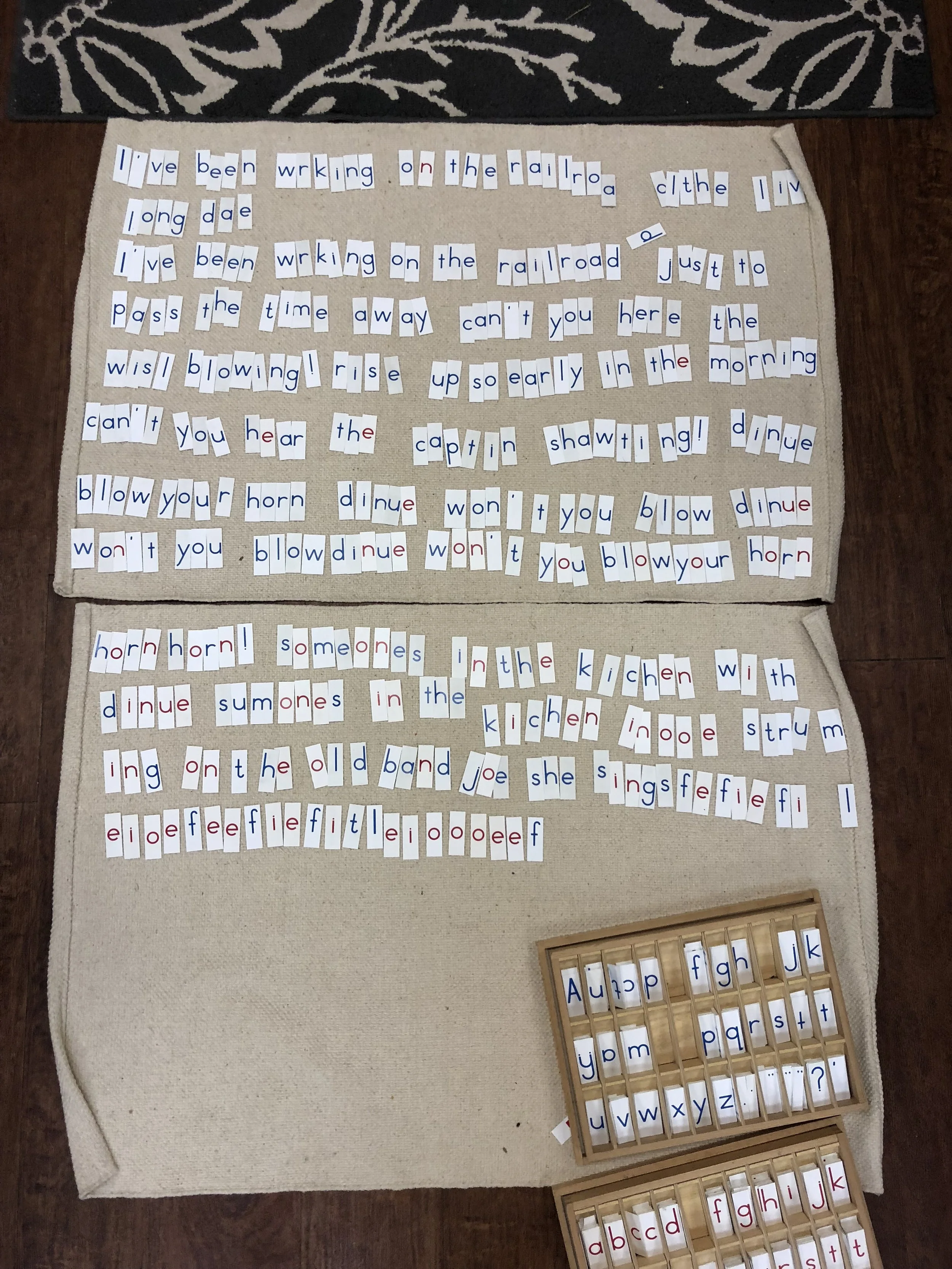
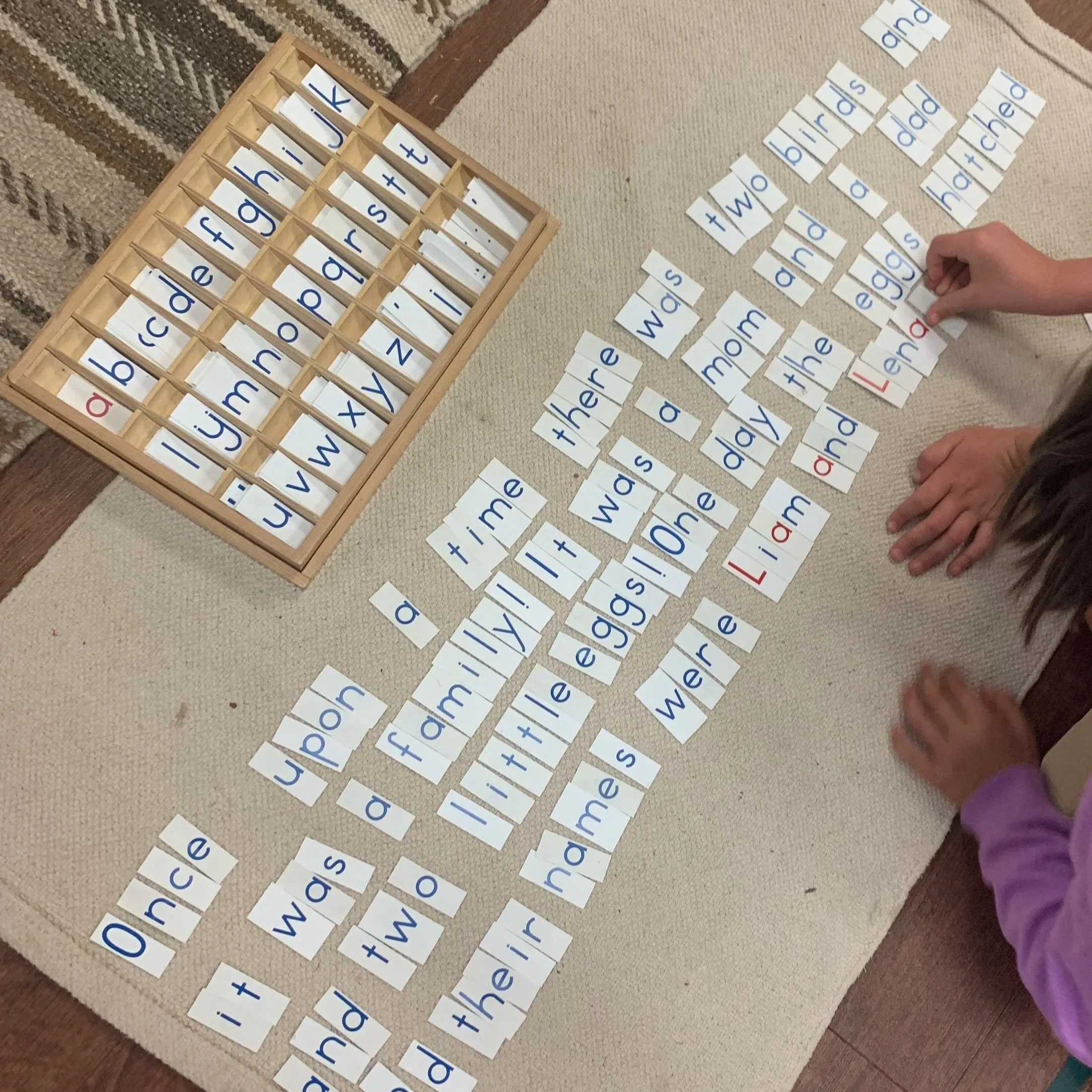
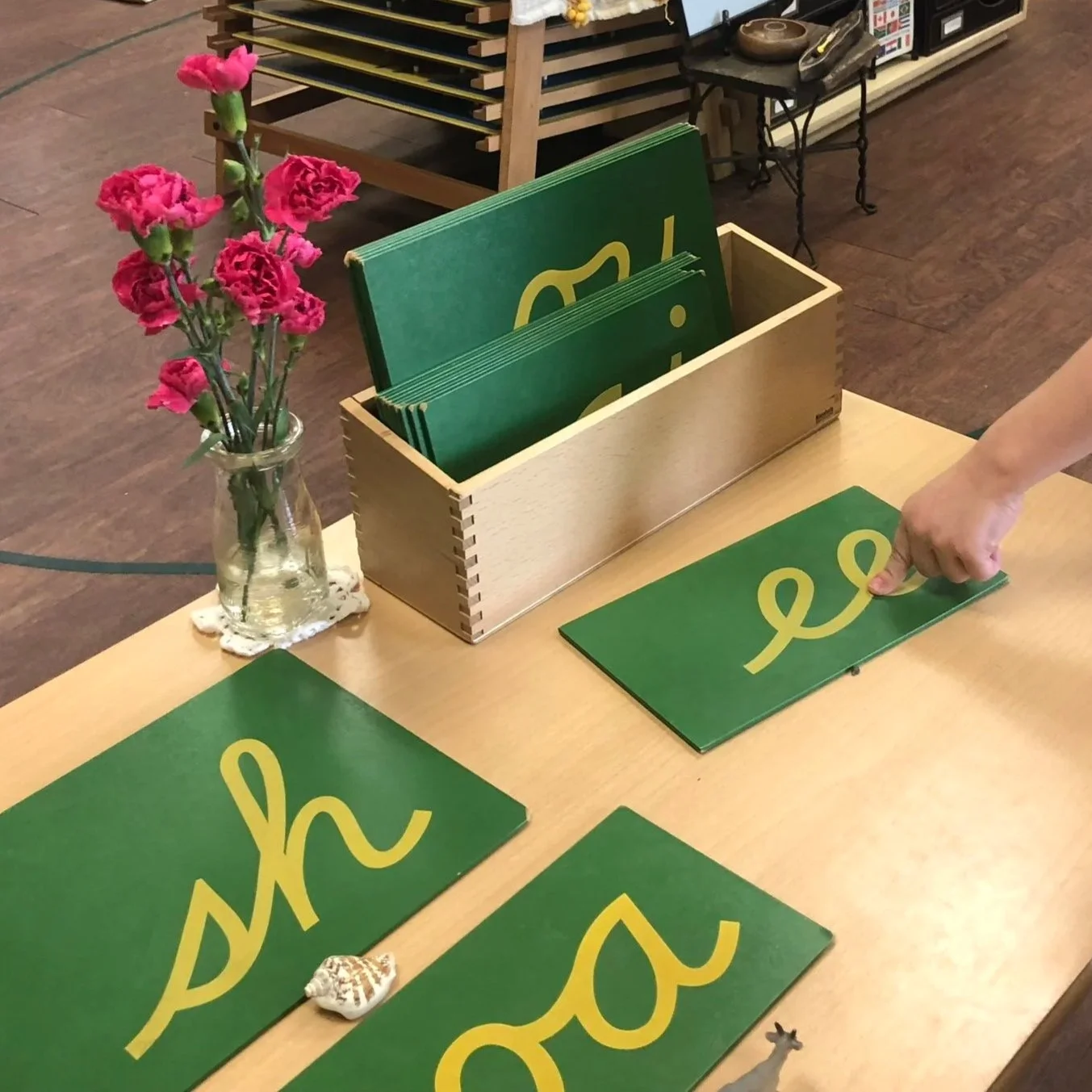
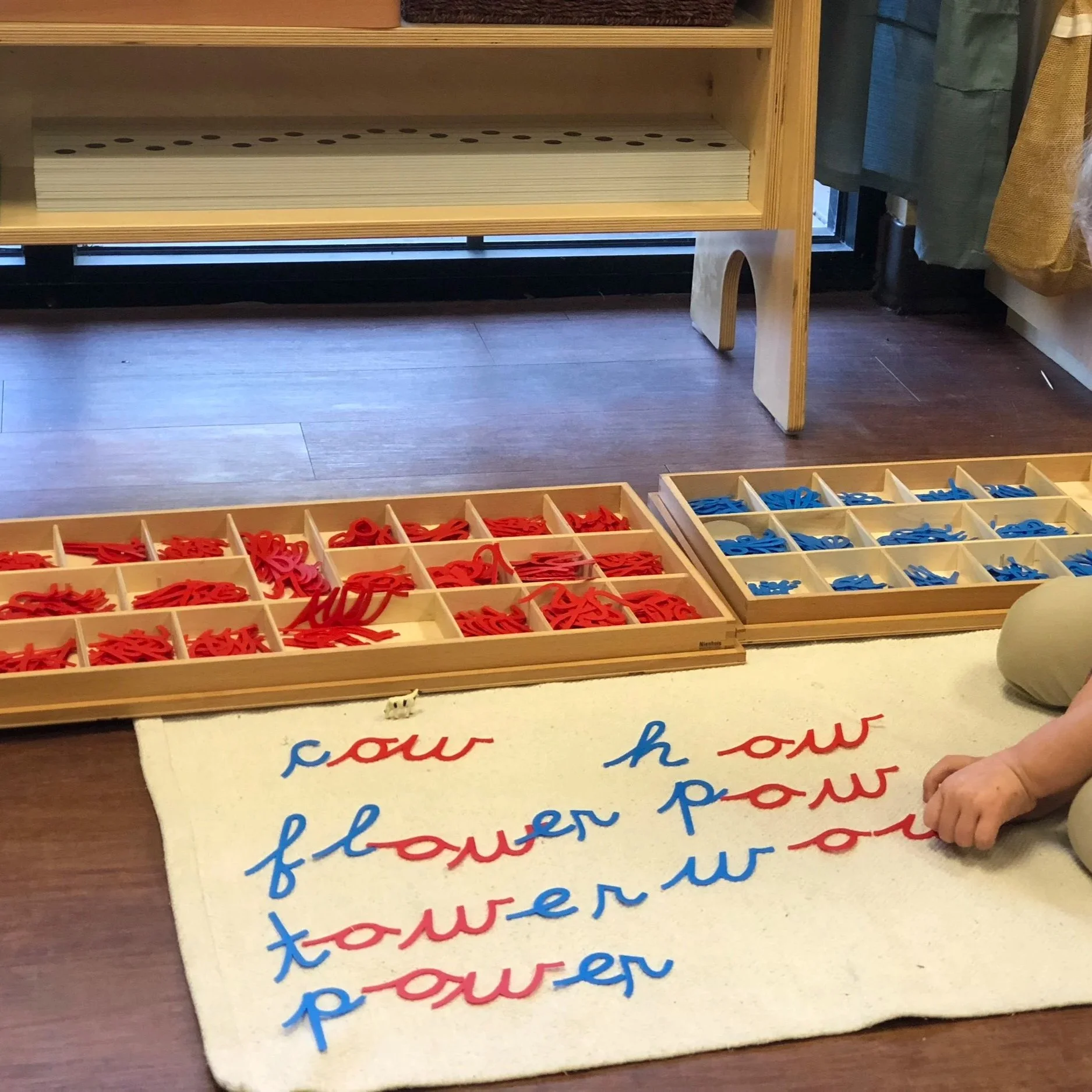
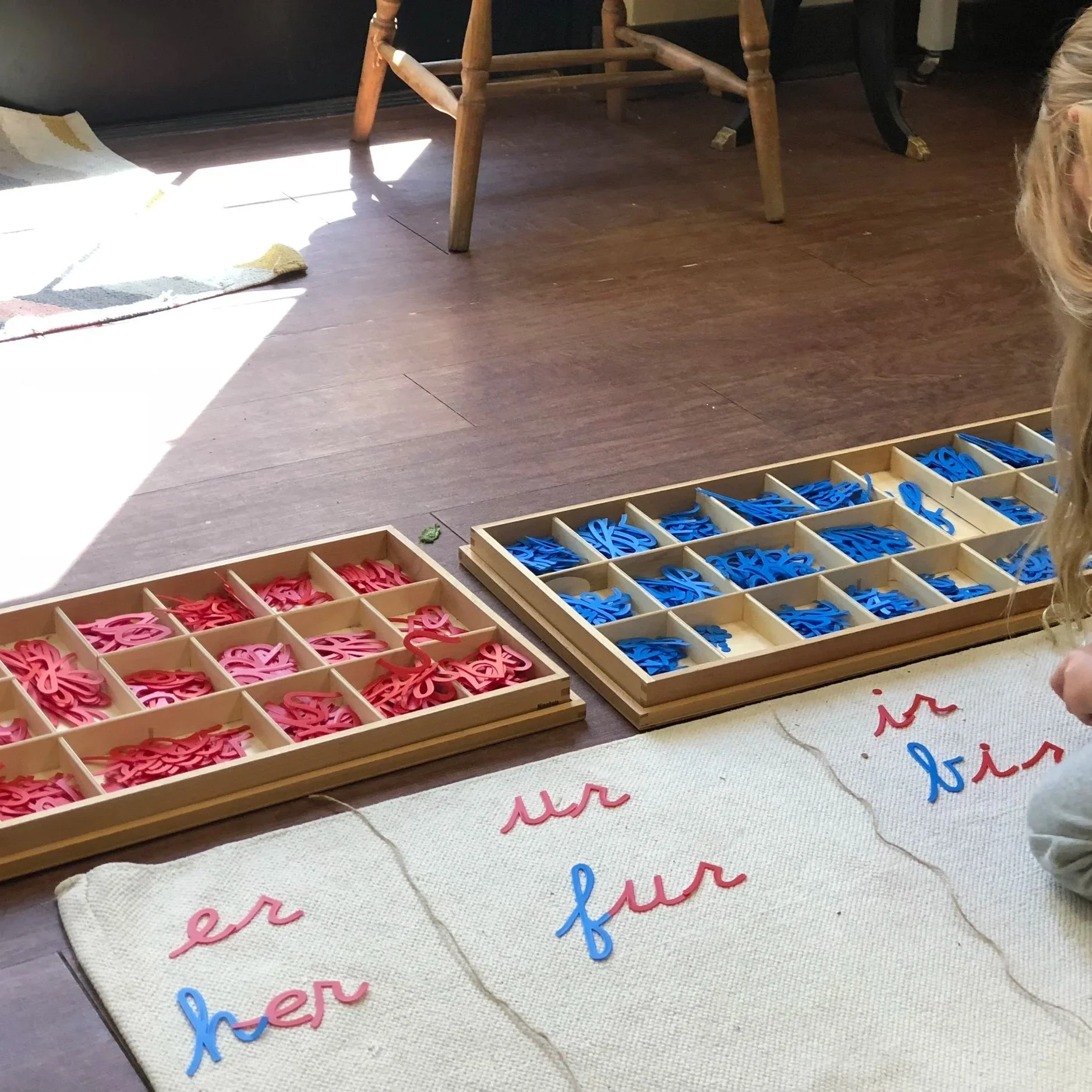
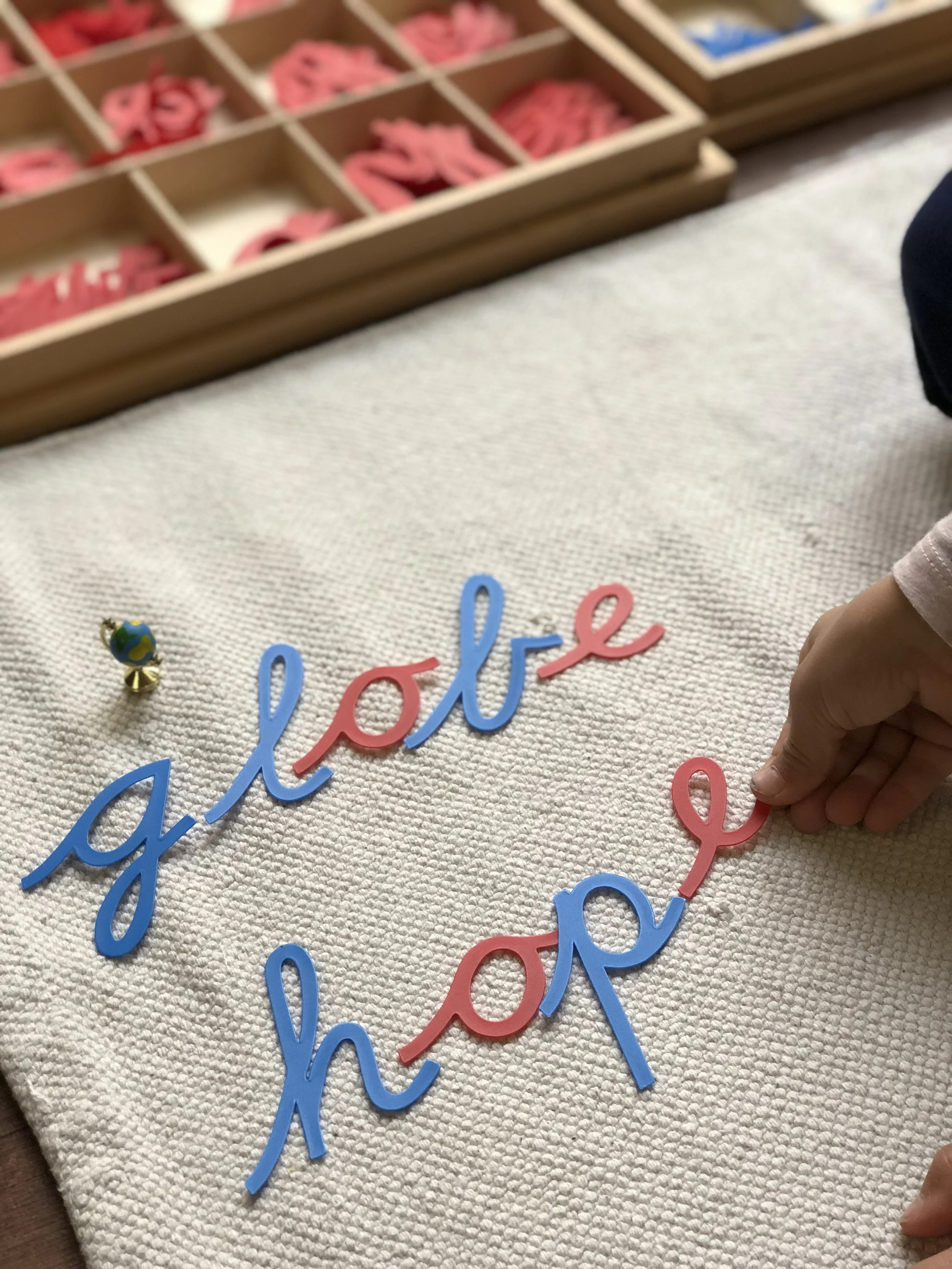
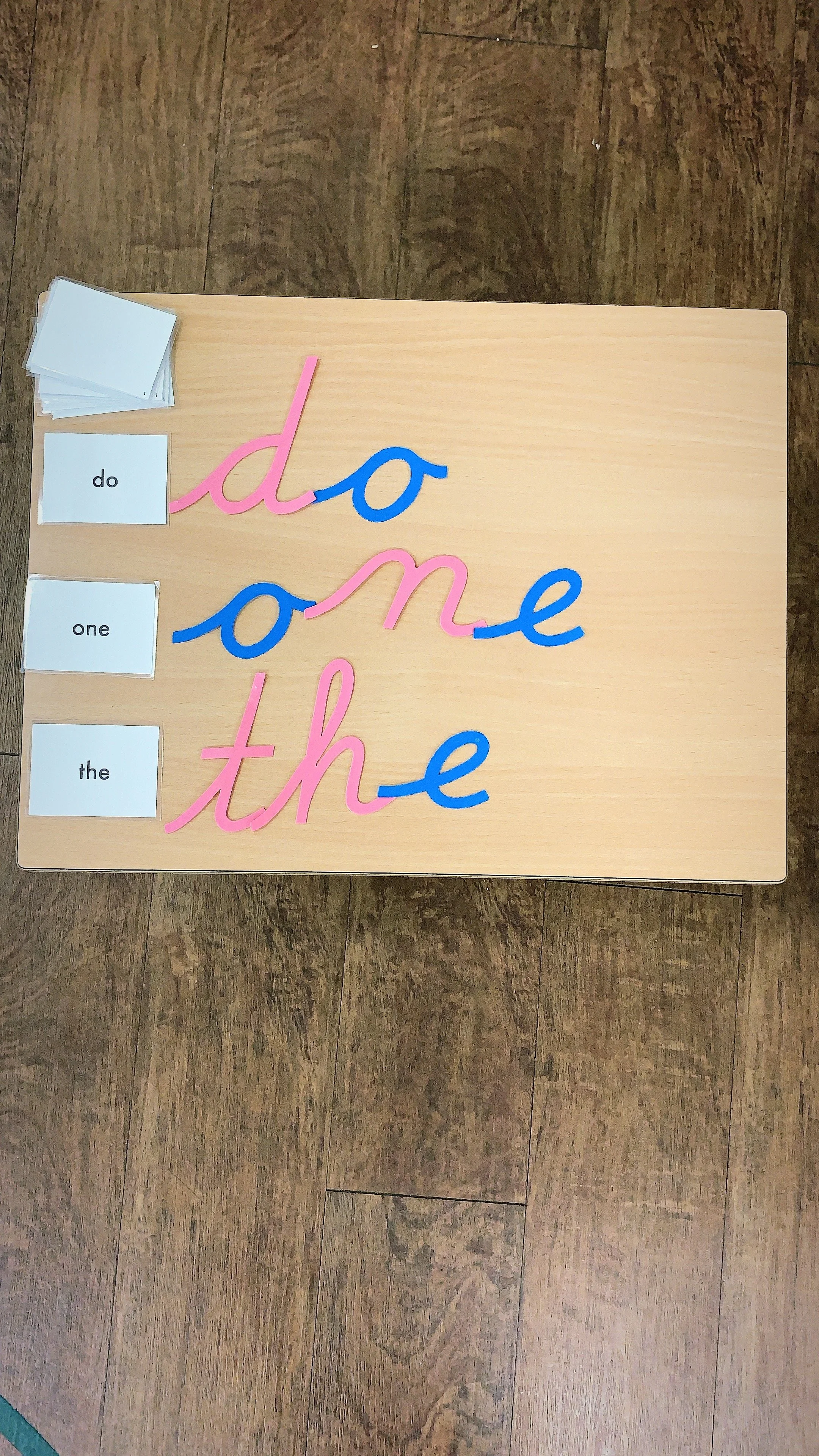
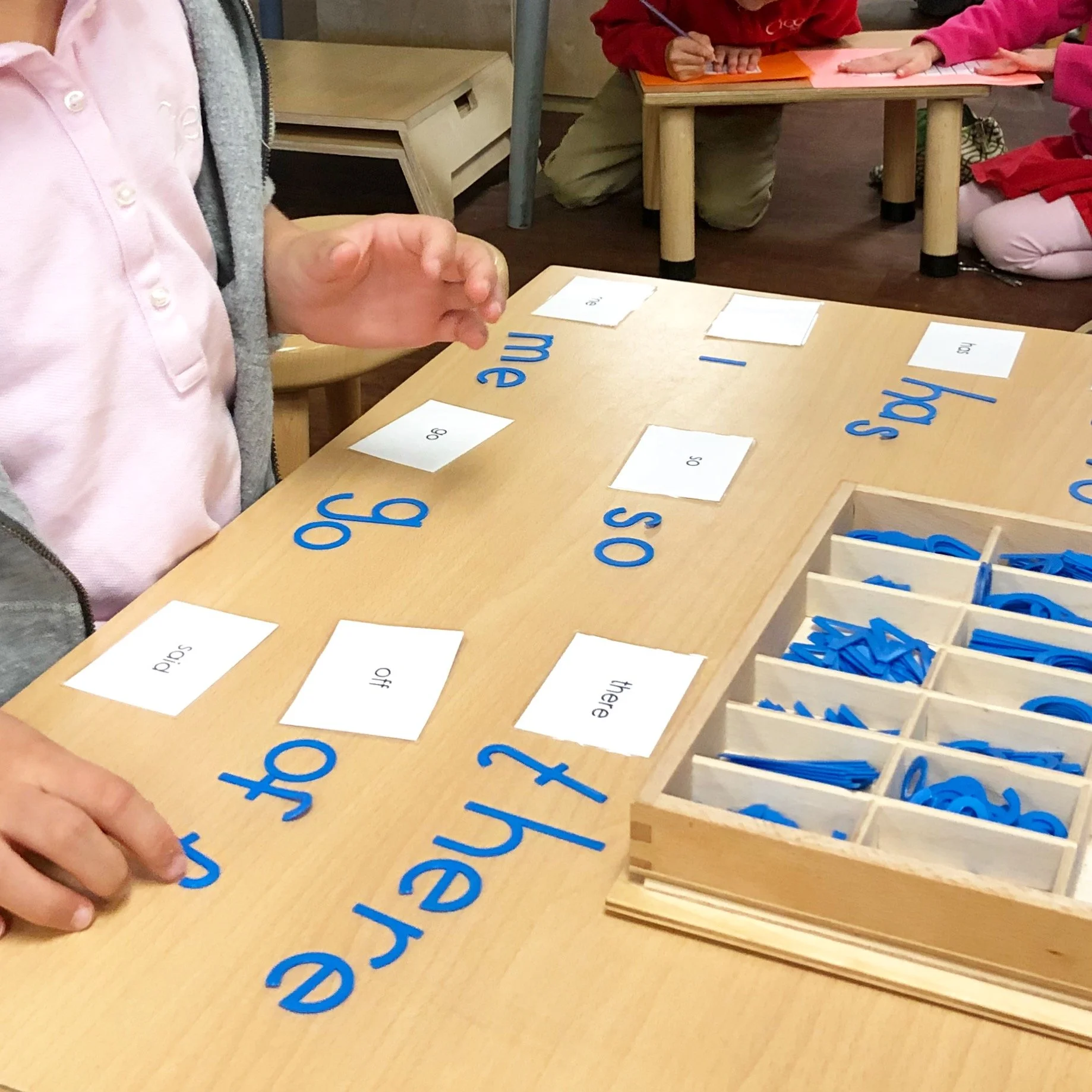
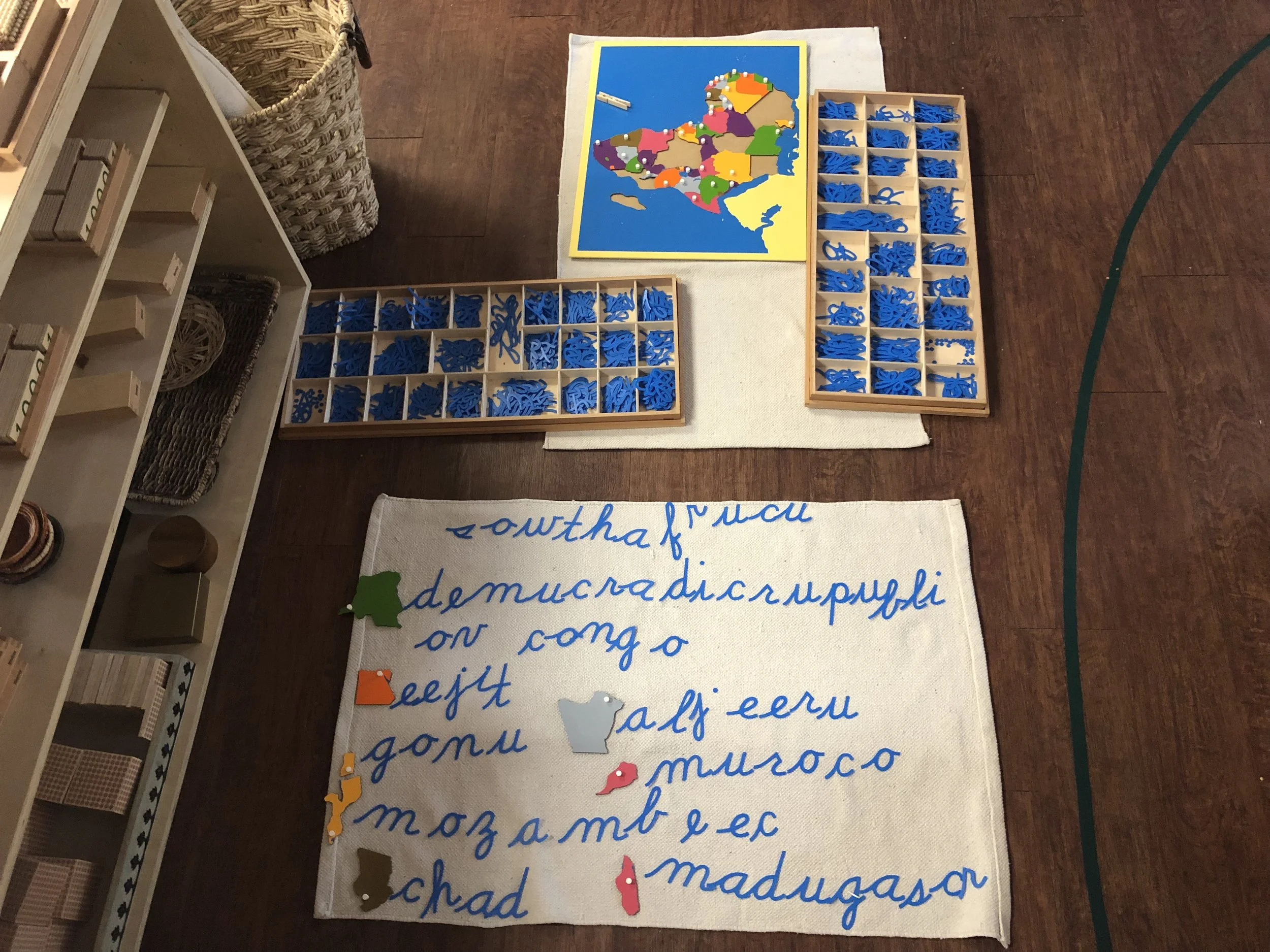
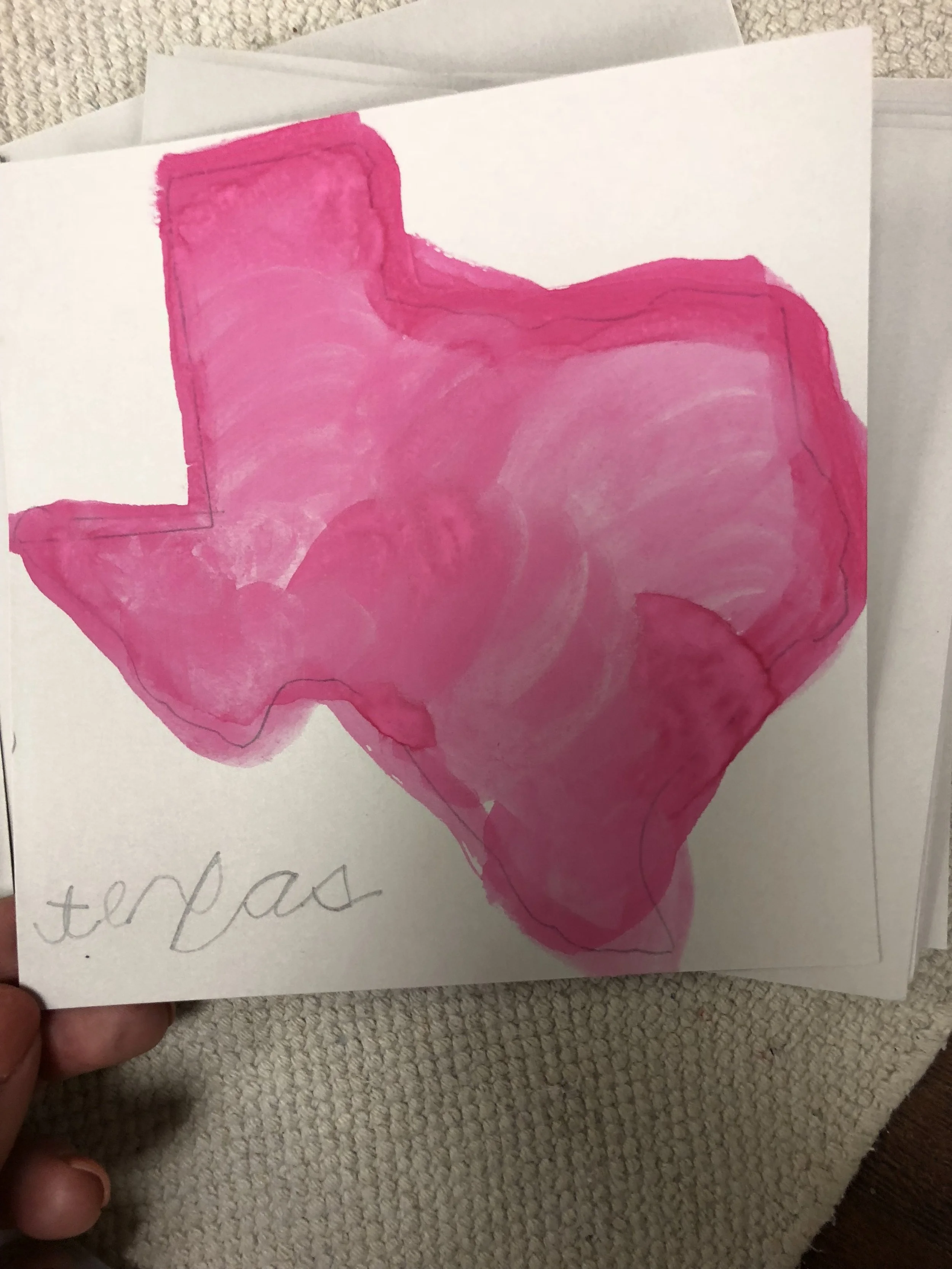
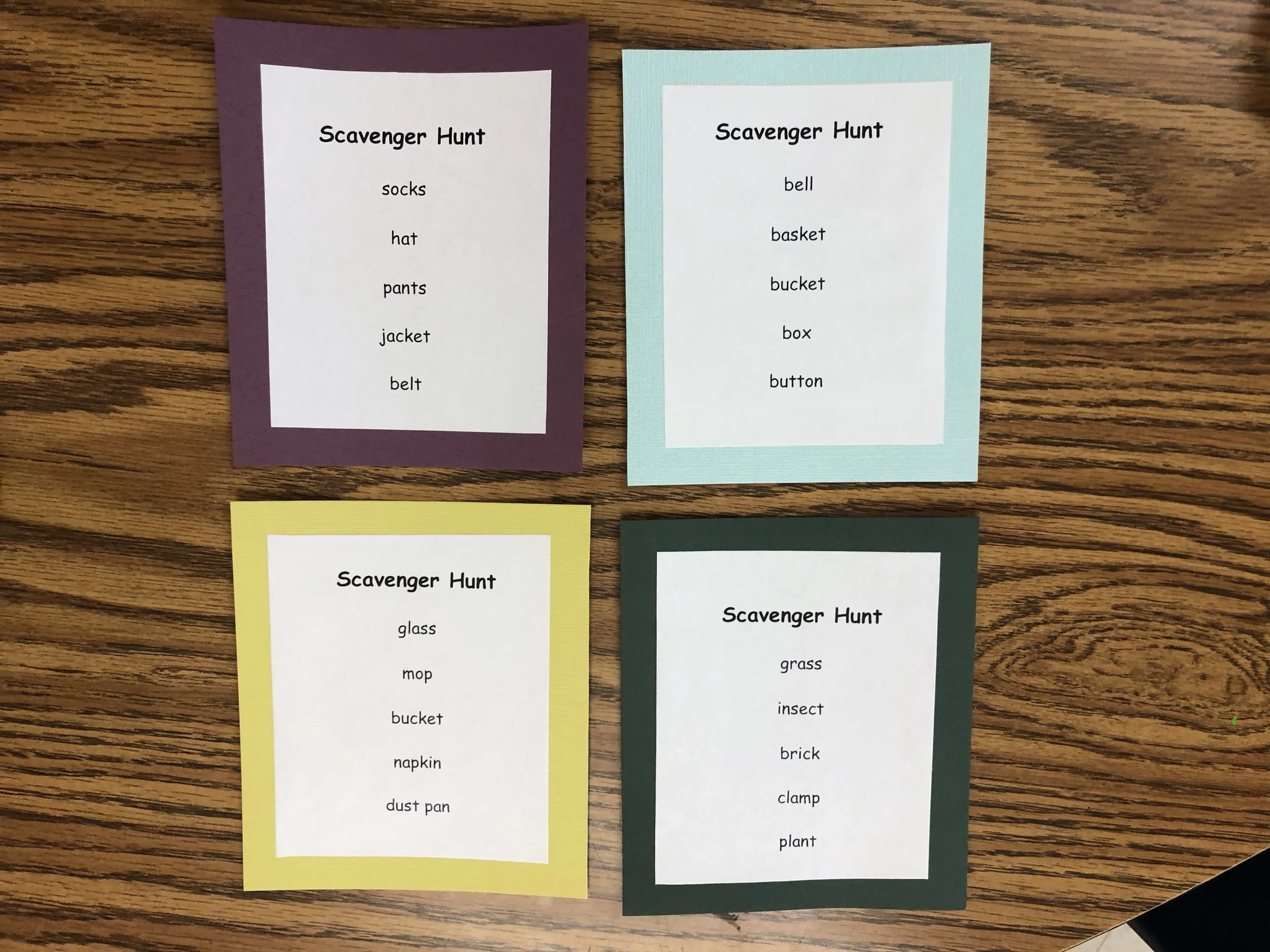
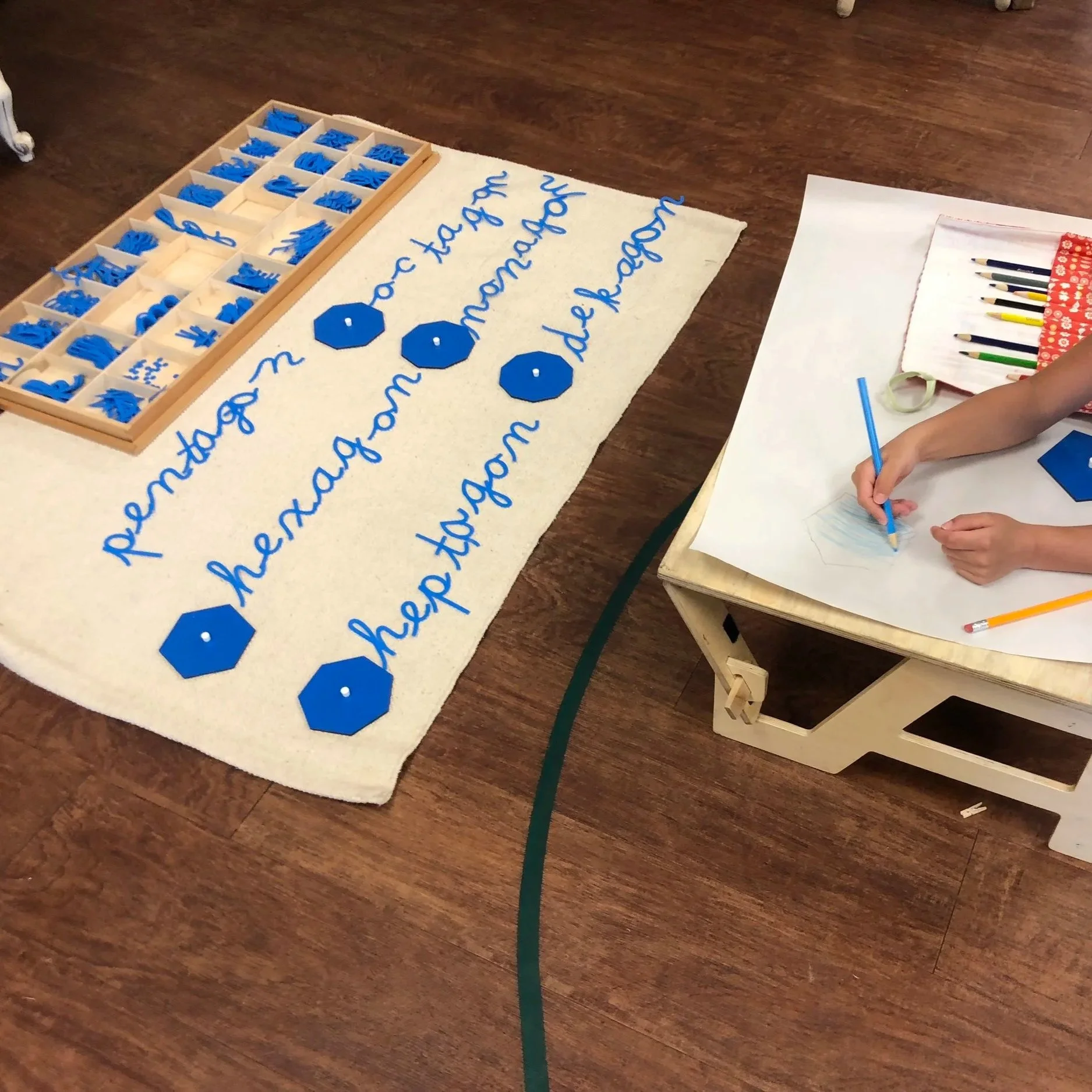
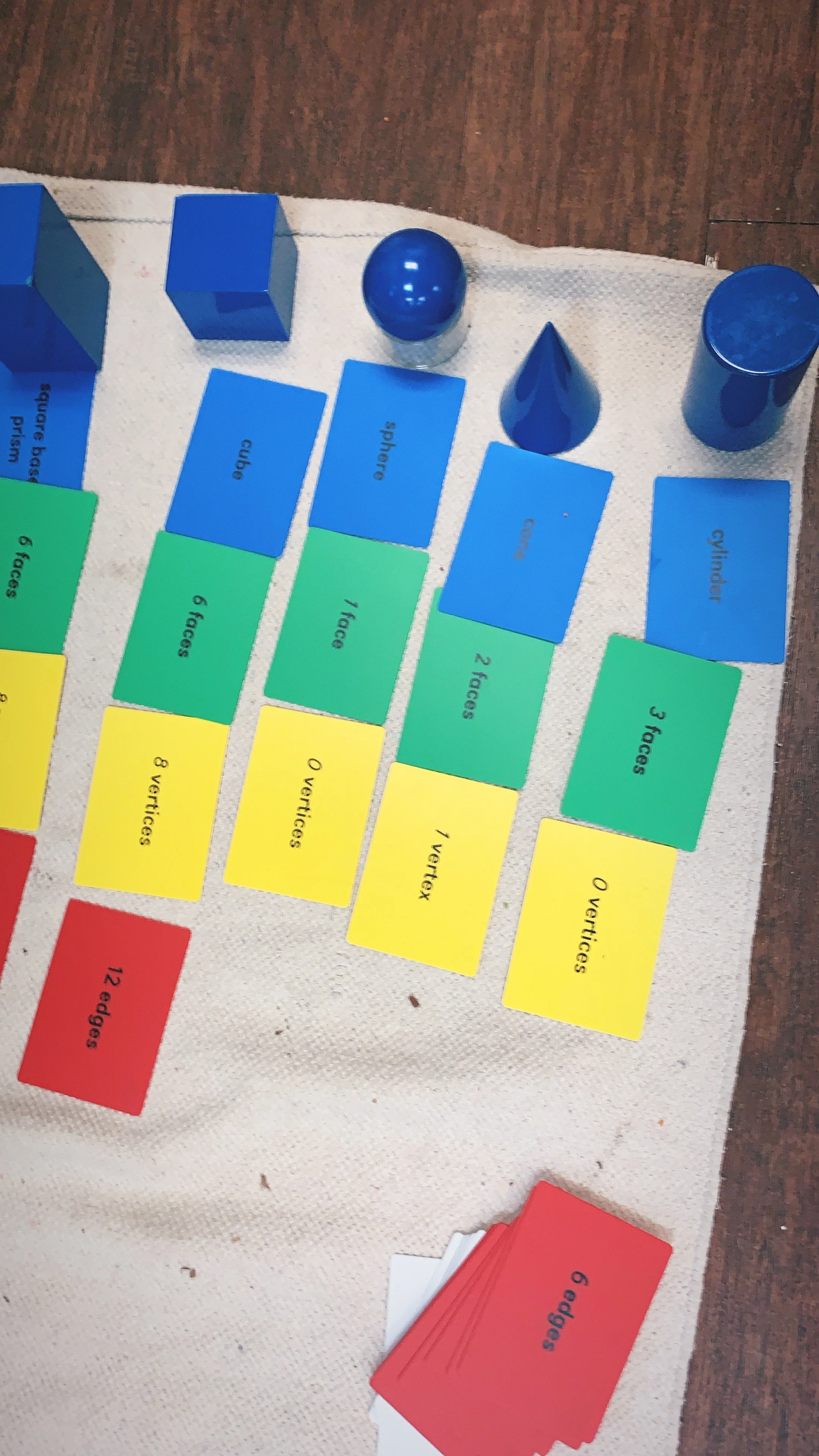
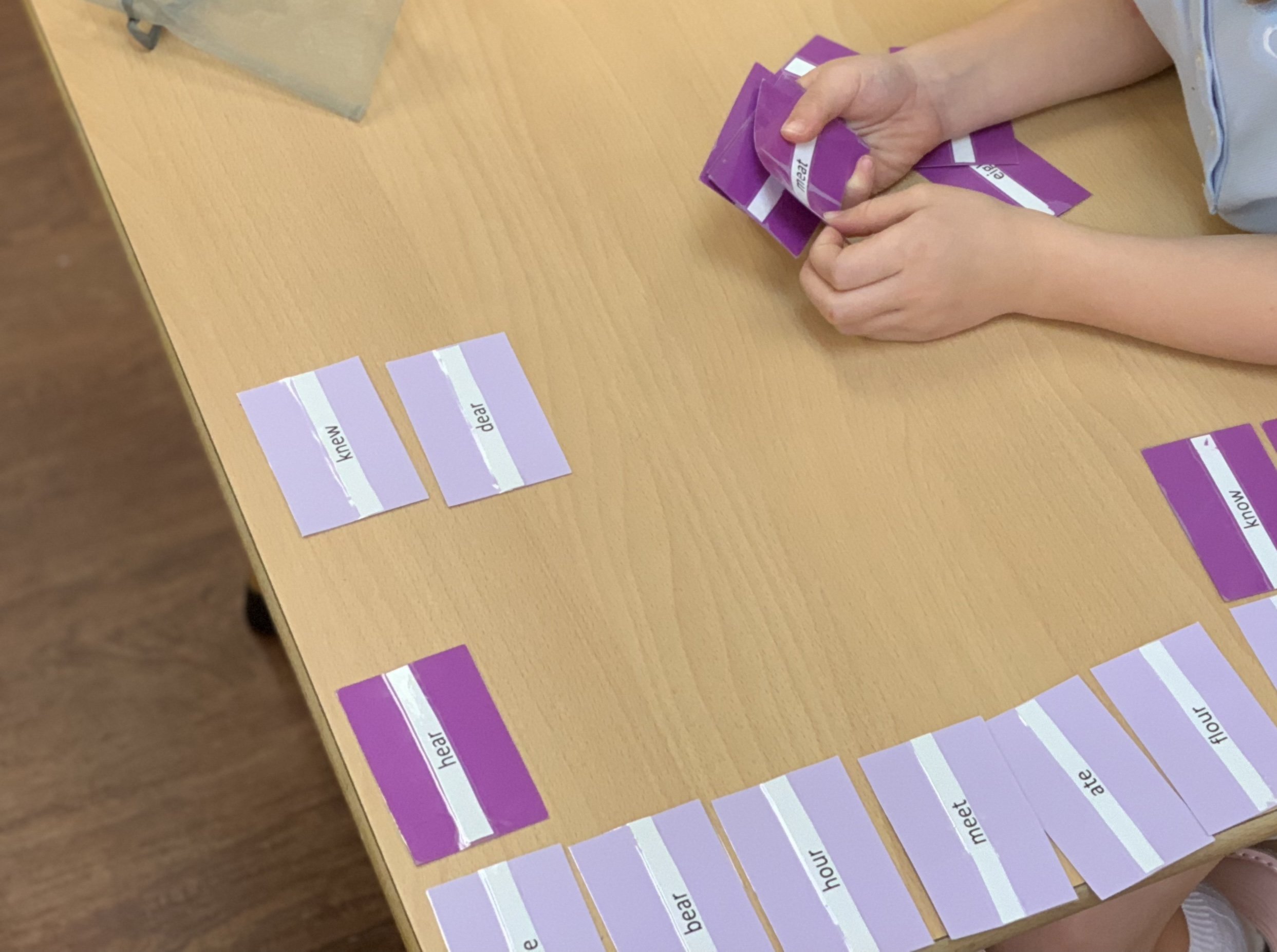
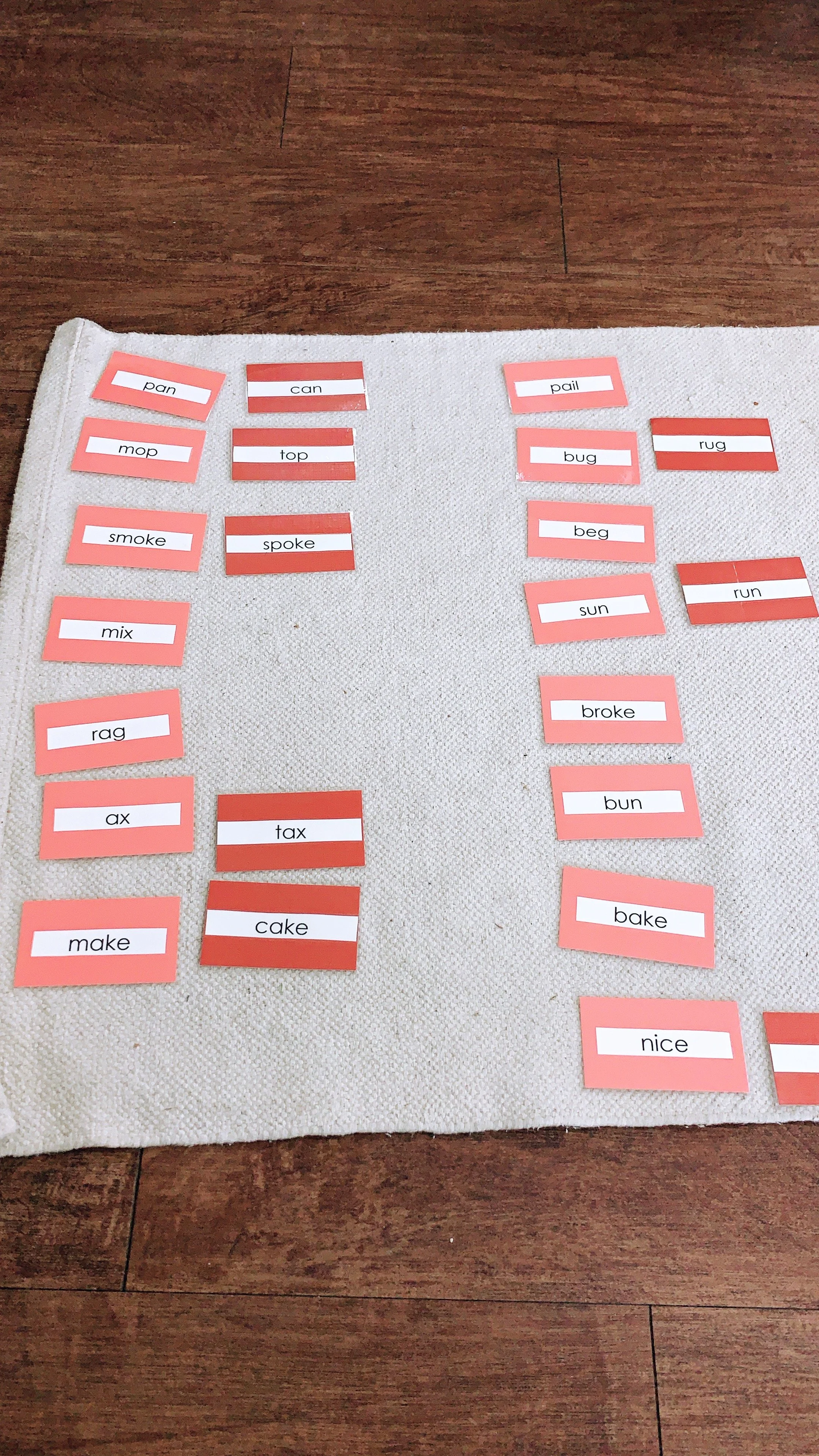
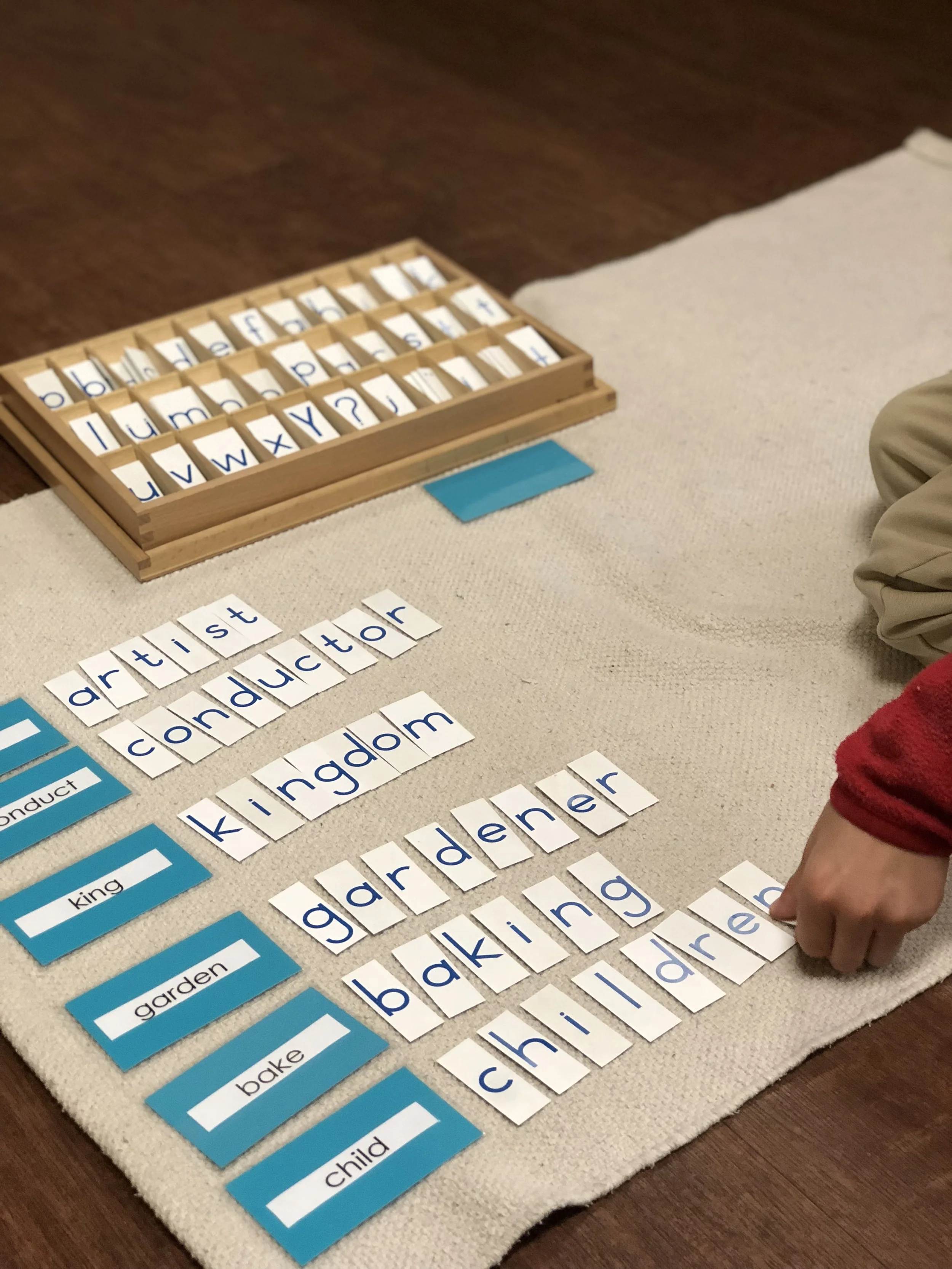
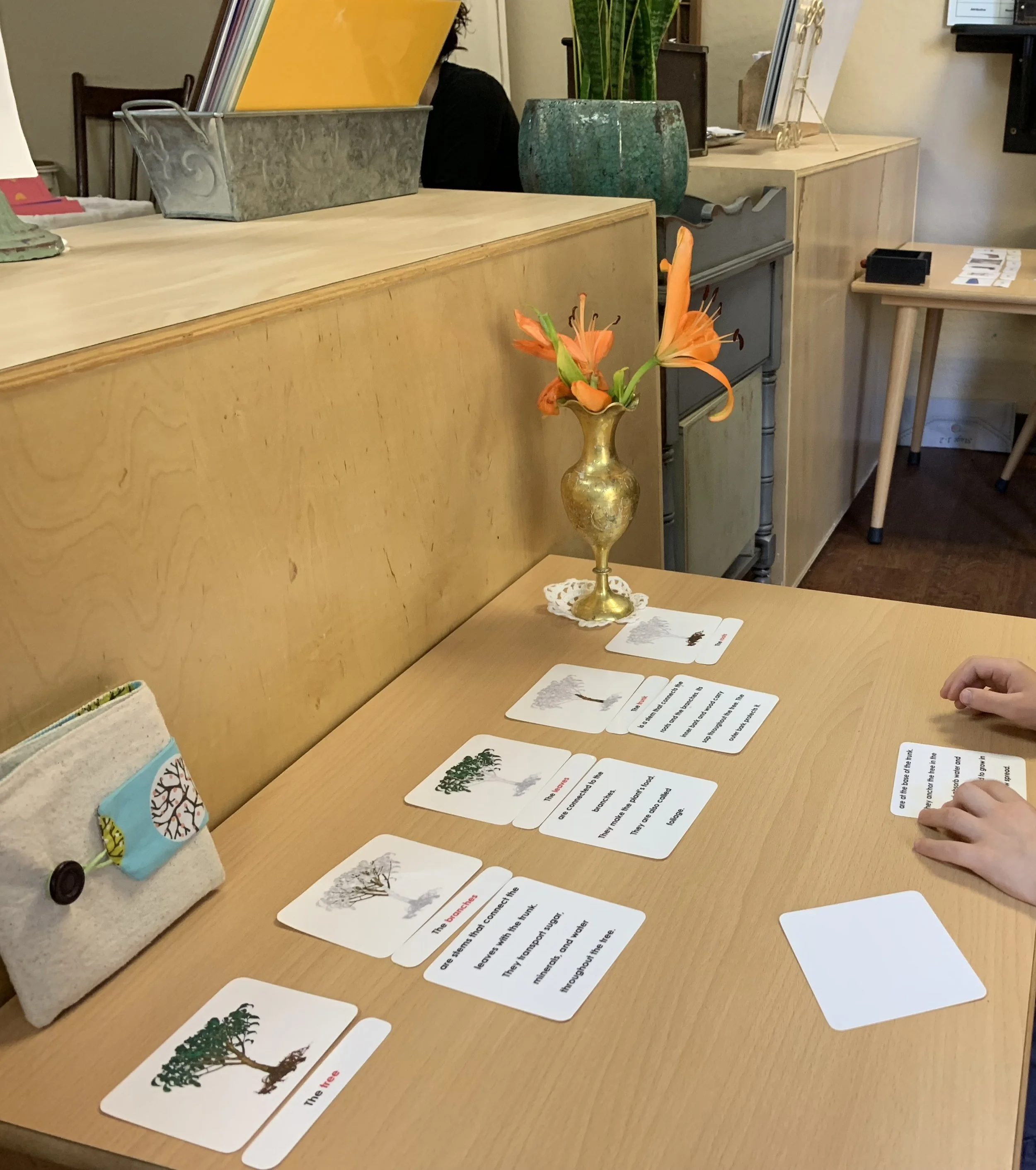
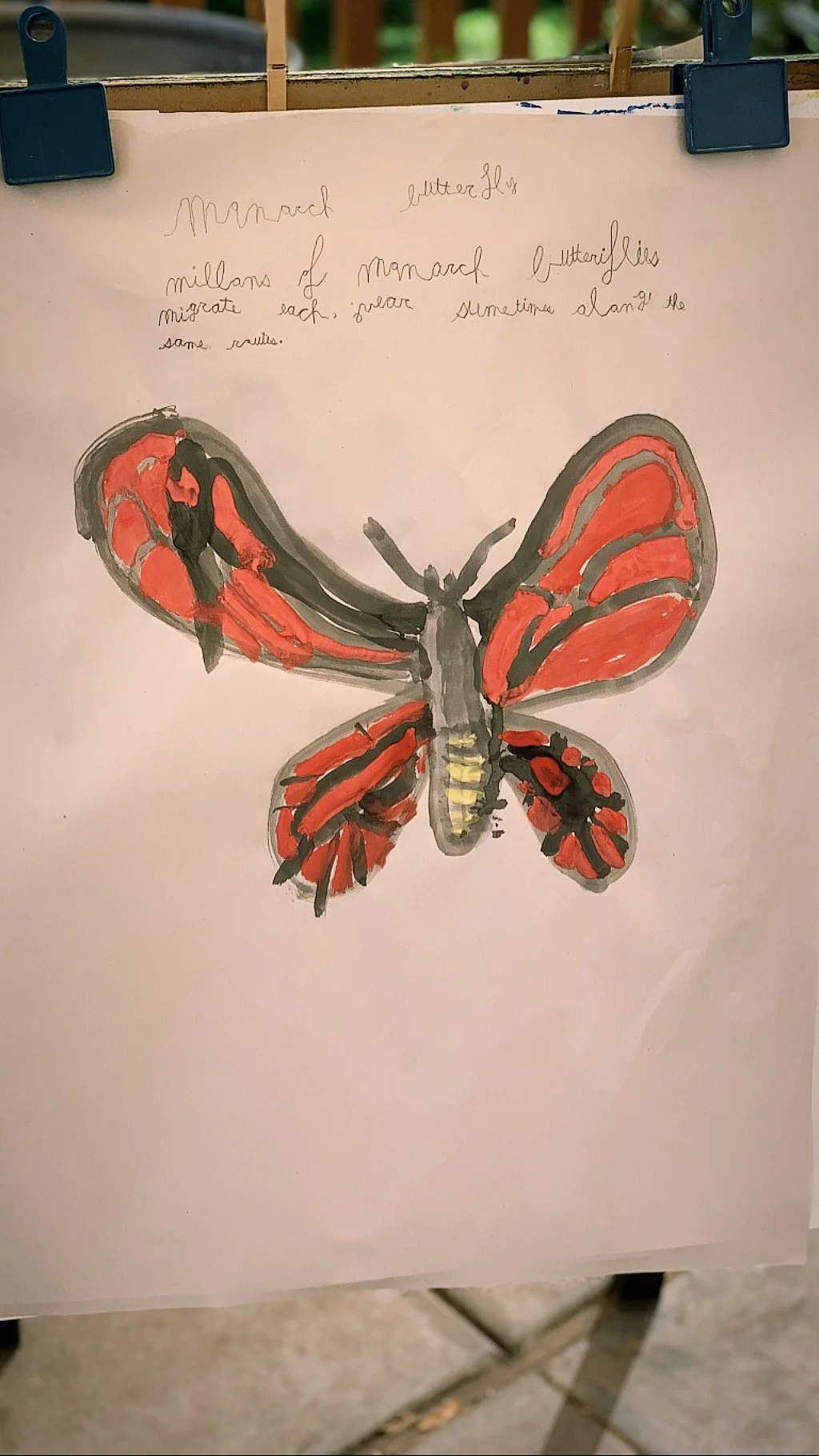
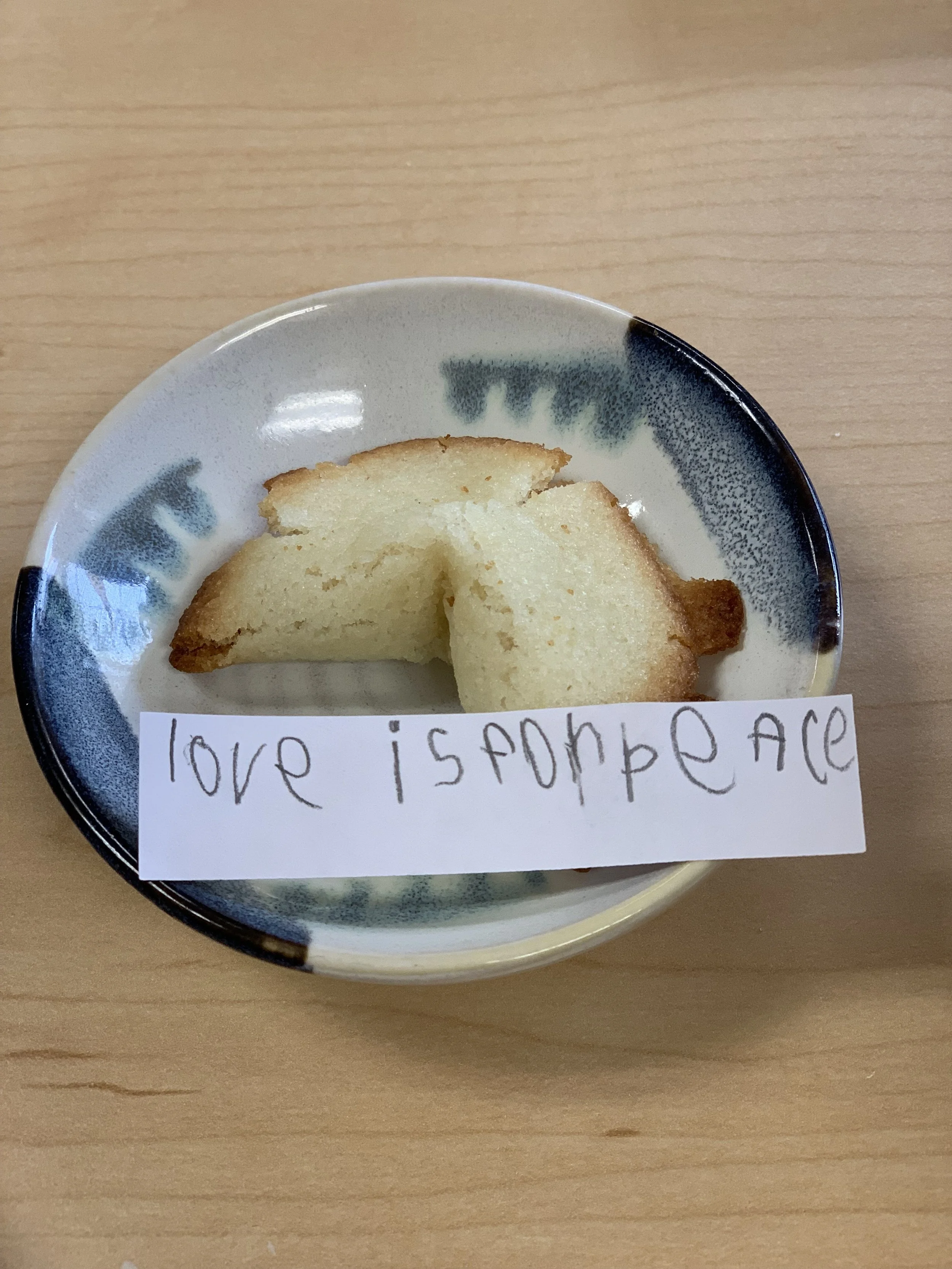
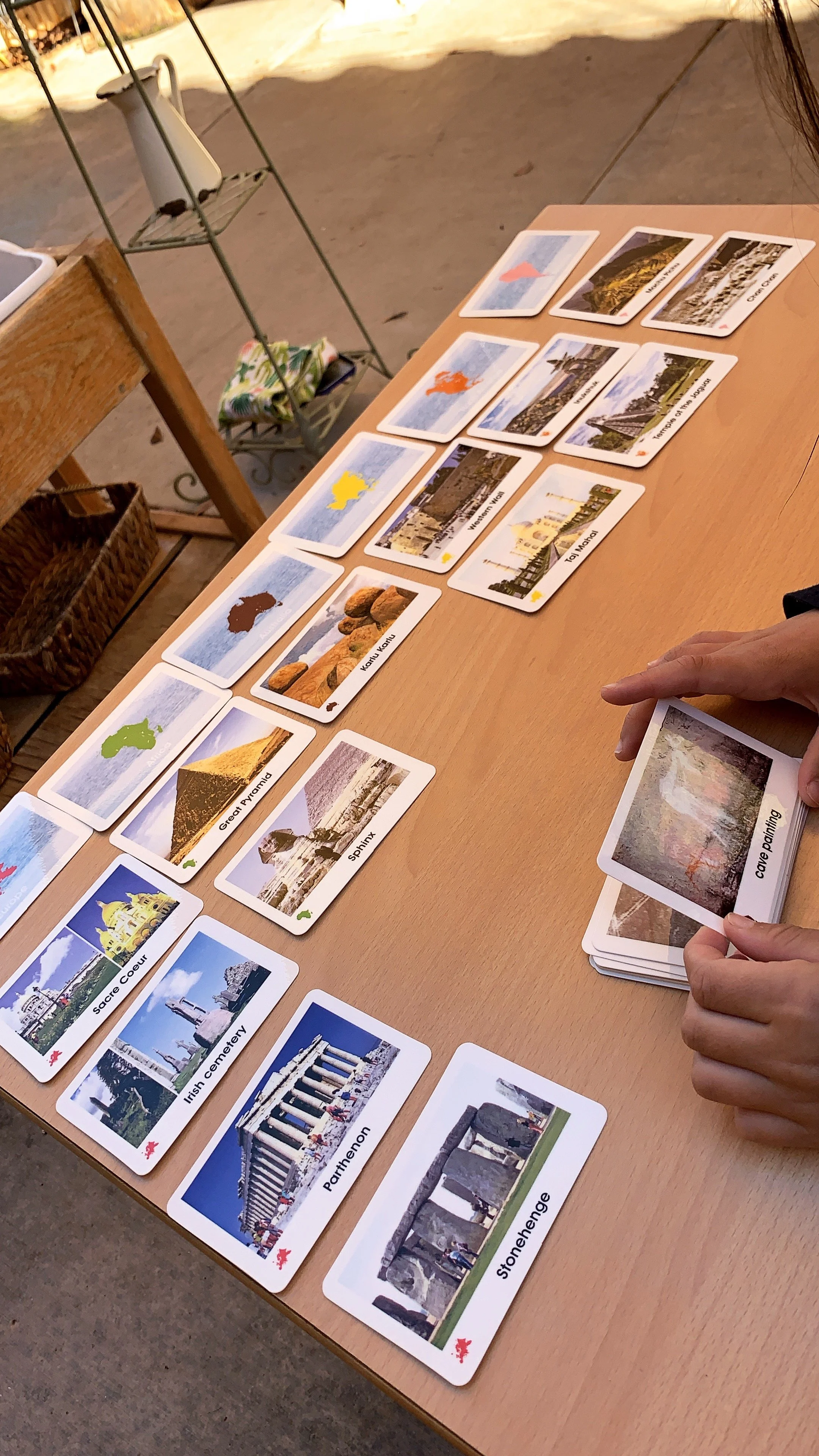
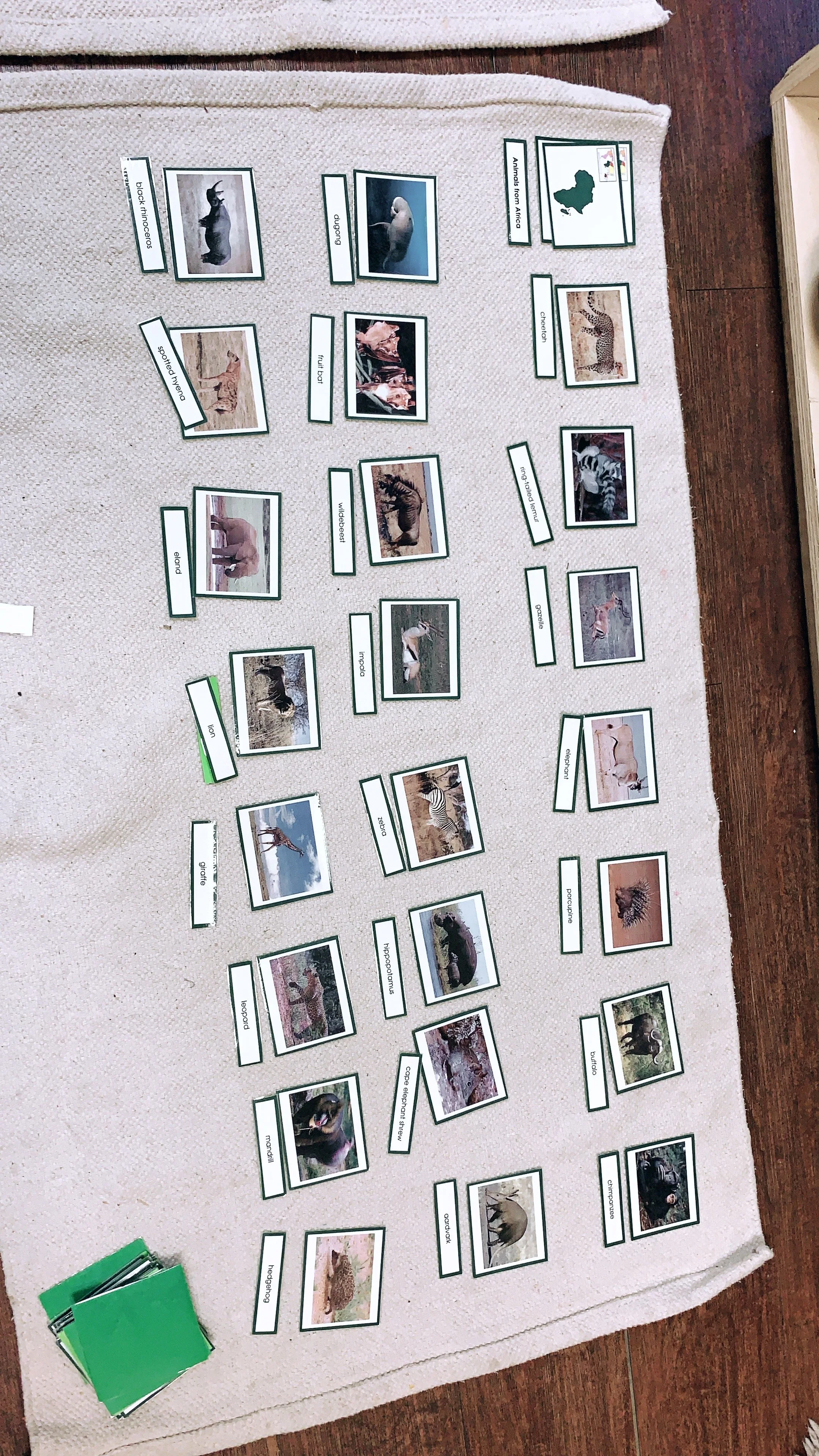
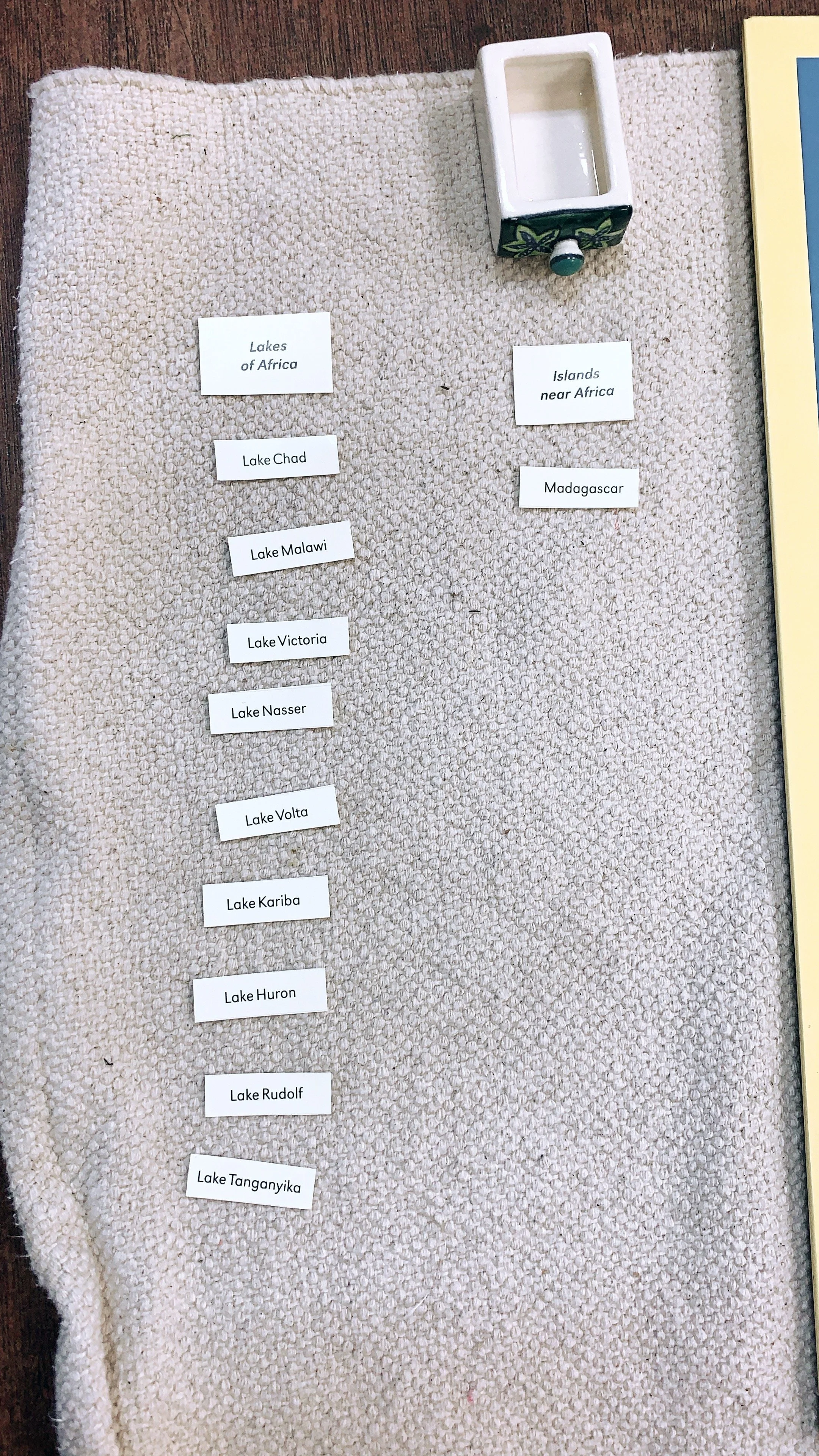
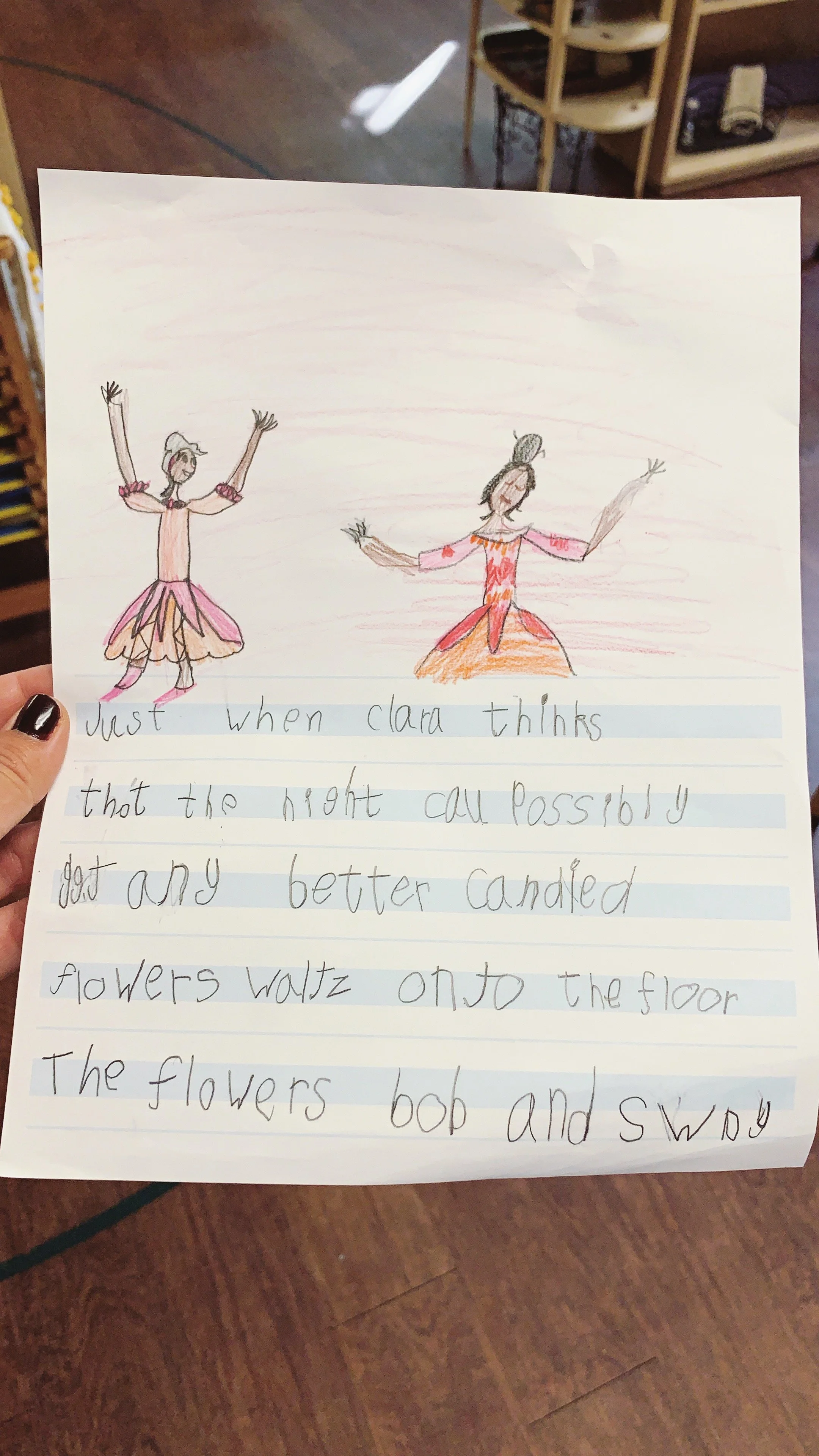
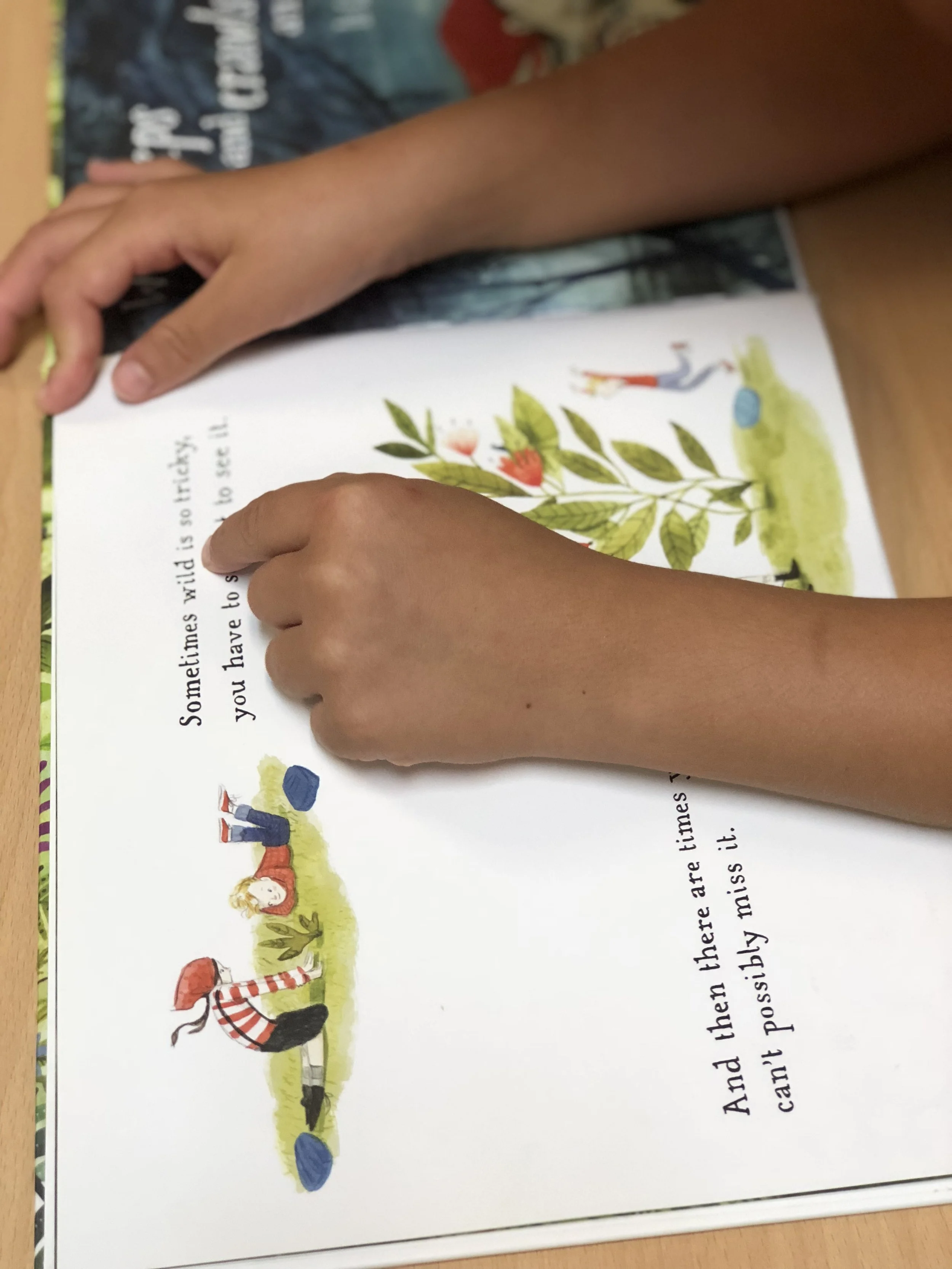
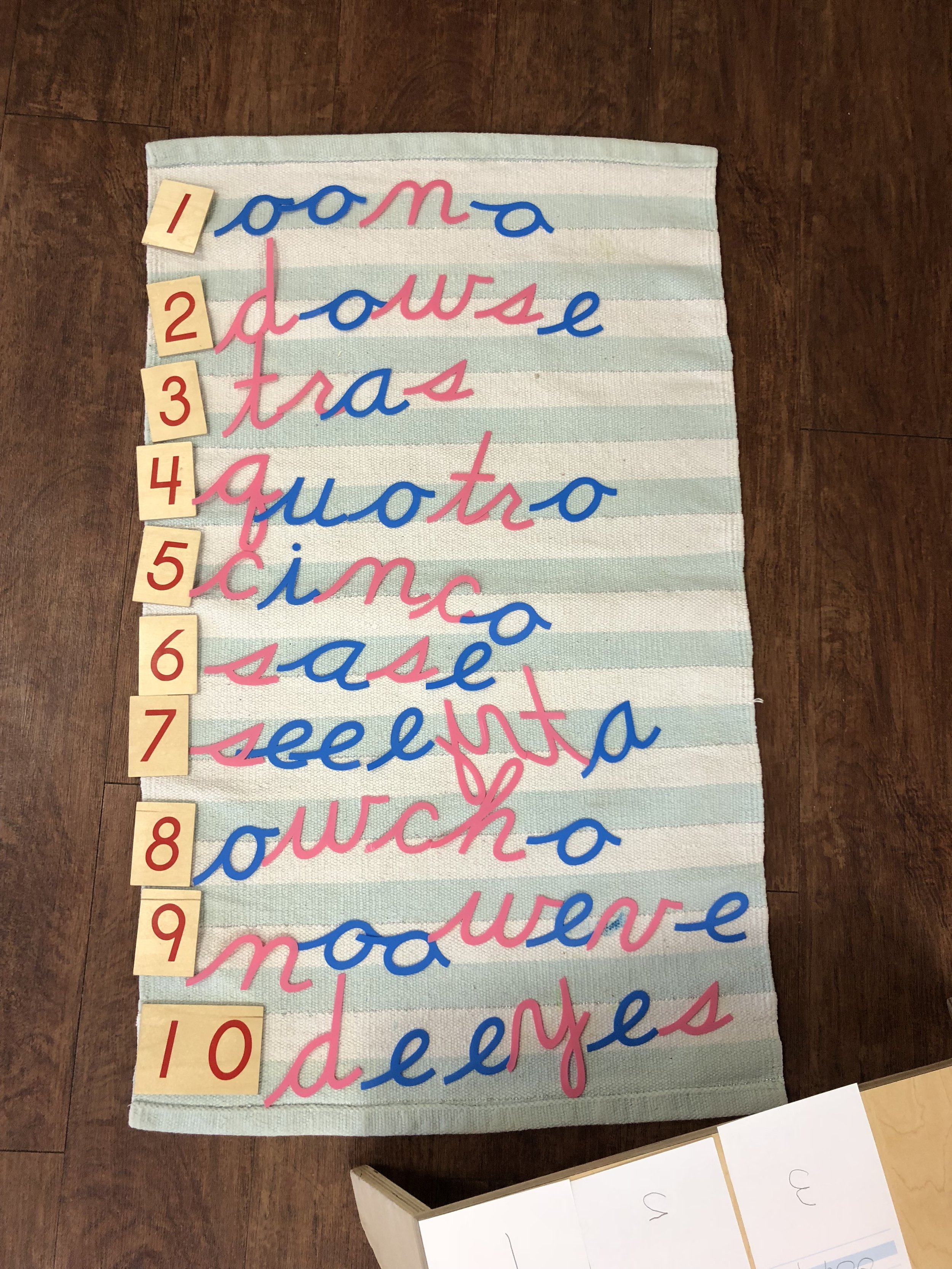
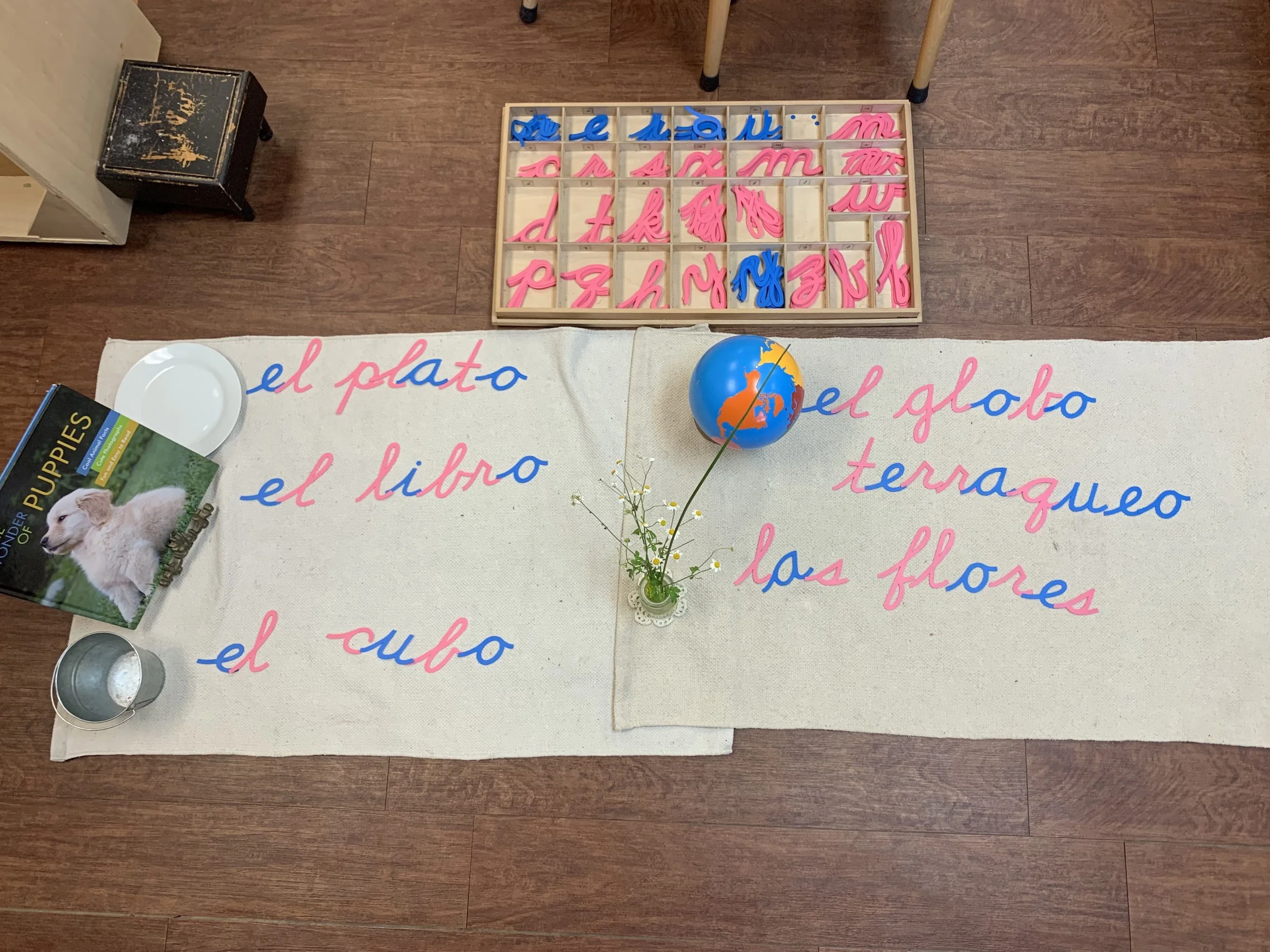
Individualization Beyond Class Size
Smaller class sizes can certainly feel attractive. But true individualization is not created by reducing numbers alone. It is created through individualized pacing within a mixed-age community.
Our classrooms are intentionally multi-age. A five or six-year-old is not confined to a grade-level curriculum. If a child is ready to move into advanced reading, dynamic multiplication, early grammar analysis, or extended project-based research, they do. If they need more time in a concept to ensure deep mastery, they are given that time.
We follow the child, not a standardized pacing guide.
Academically, this means there is no artificial ceiling placed on growth. Children often progress well beyond traditional kindergarten benchmarks because they are not limited by age-based grouping.
Socially, the mixed-age Montessori classroom offers something a same-age transitional model cannot replicate. Younger children learn by observing older peers. Older children step into authentic leadership. Collaboration replaces comparison. Confidence grows from contribution, not competition.
Kindergarten in Montessori is a leadership year, not simply an academic year.
Third-year students:
Give lessons to younger peers
Model grace and courtesy
Assist with classroom responsibilities
Practice conflict resolution
Develop confidence through authentic contribution
Teaching others reinforces mastery in a way worksheets cannot. Leadership strengthens empathy, communication, and higher-order thinking. By the end of the third year, children do not simply know more. They see themselves differently. They see themselves as capable.
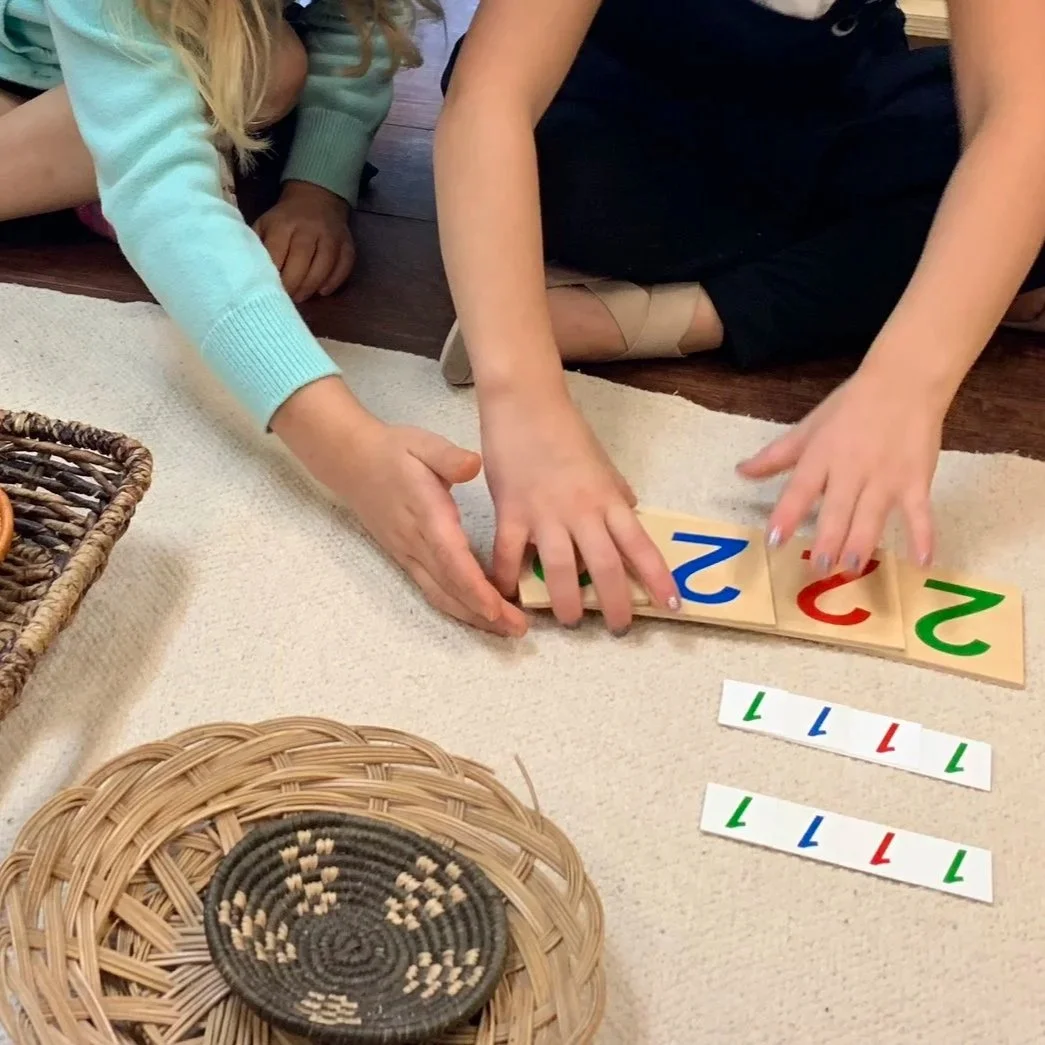
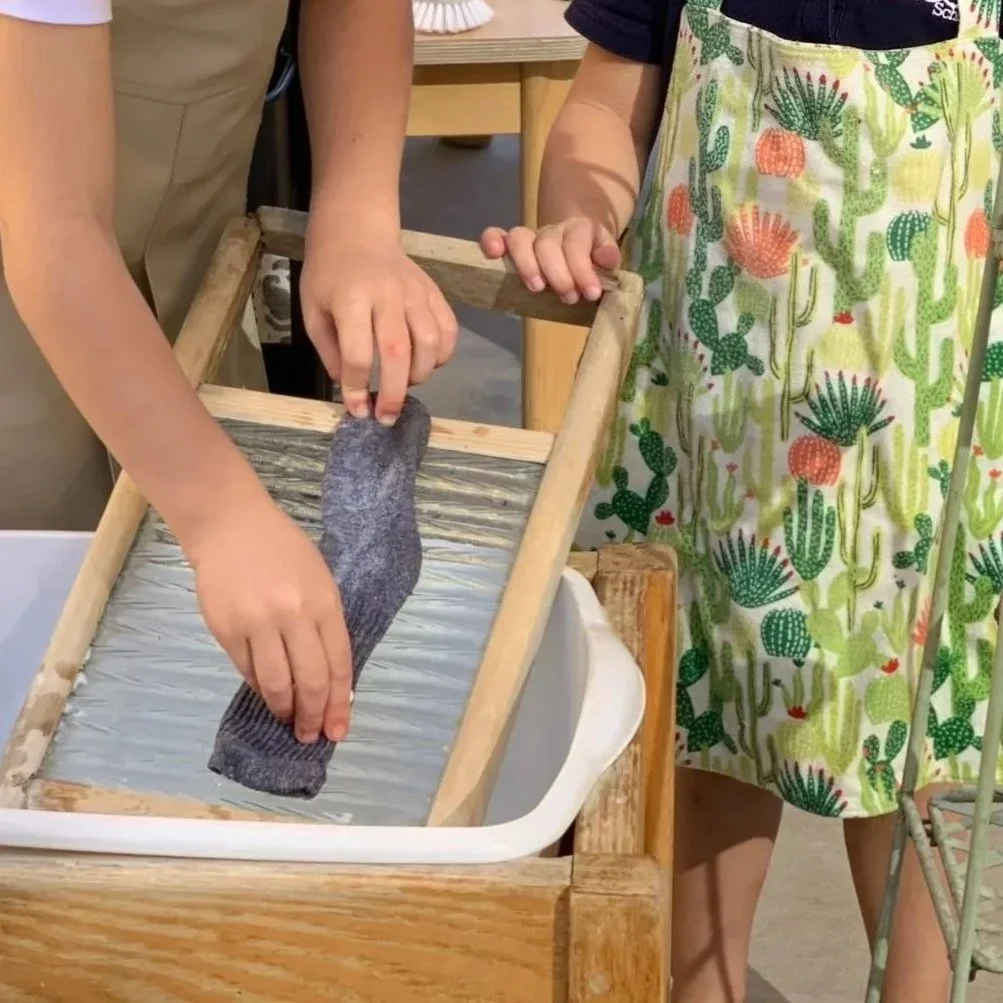
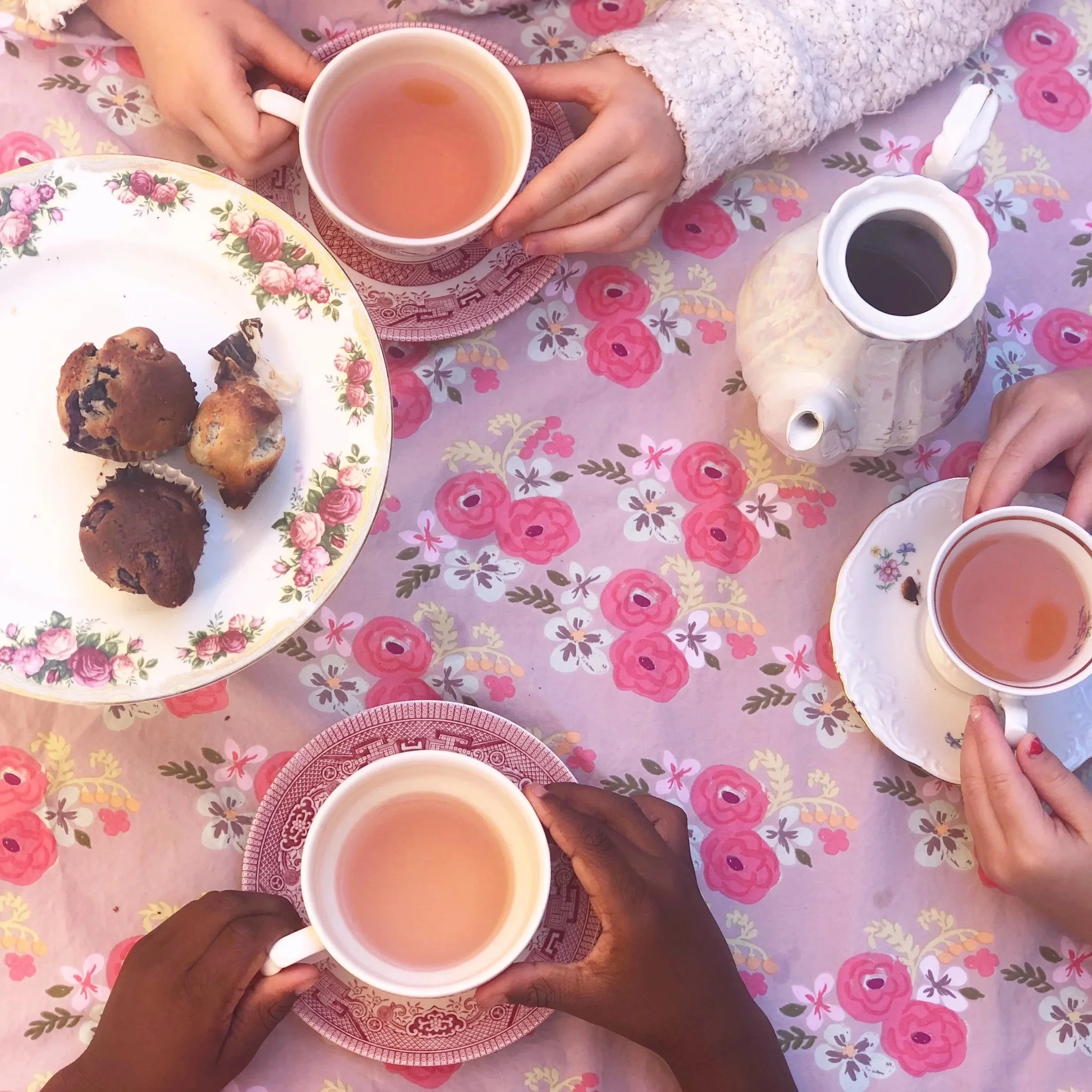
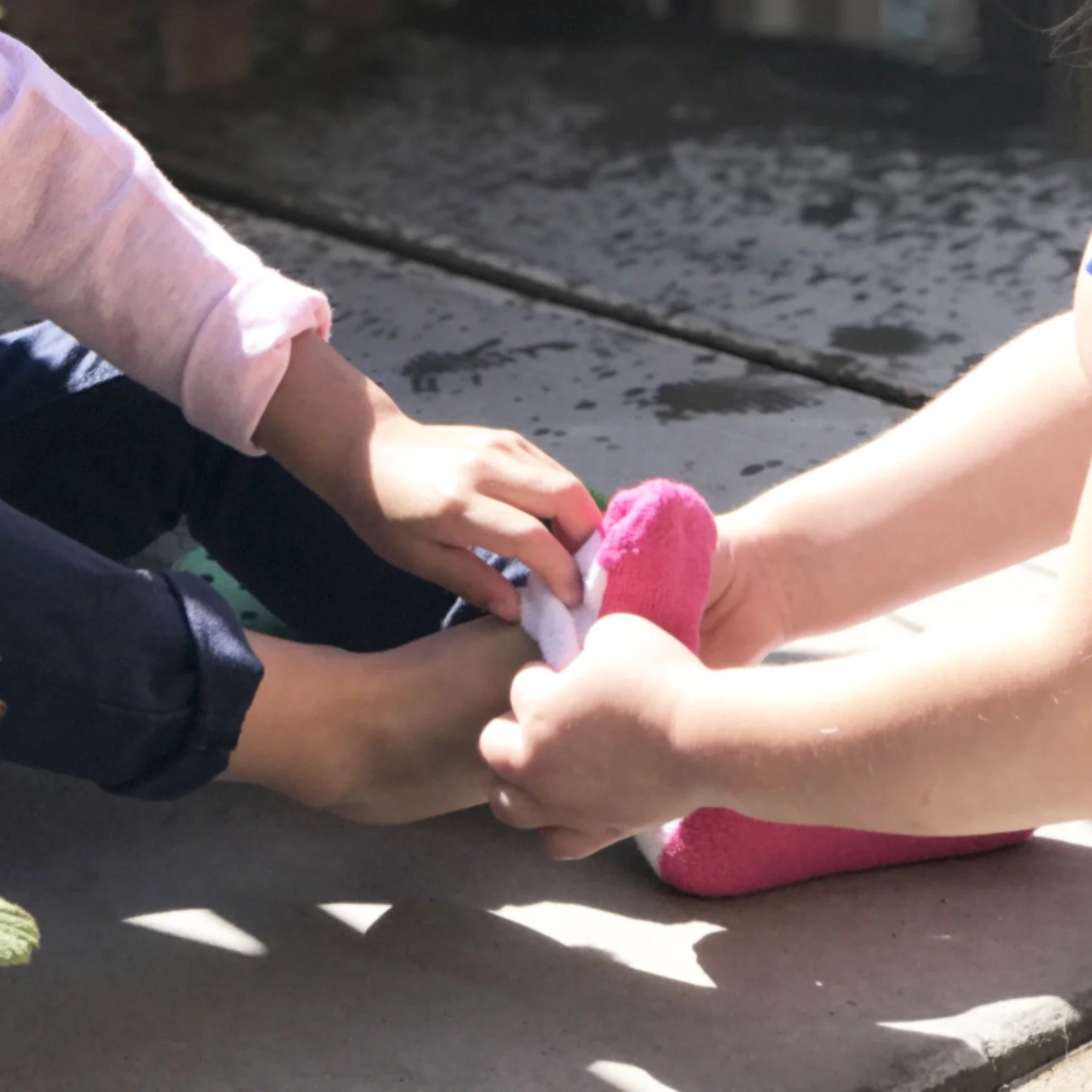
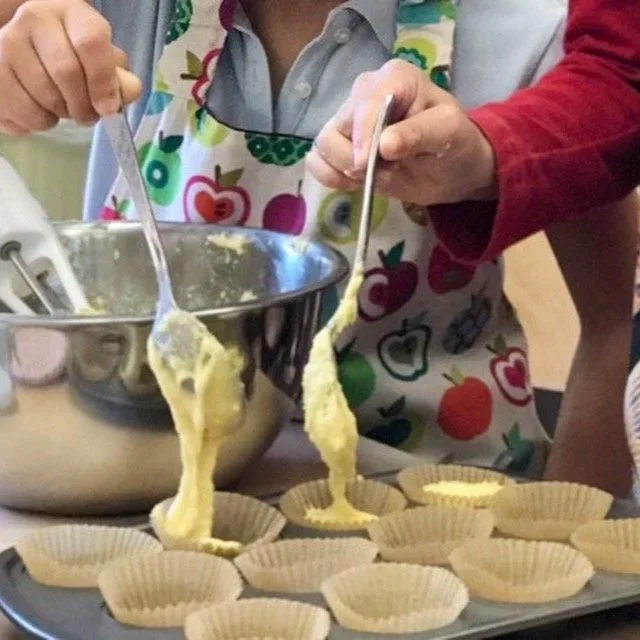
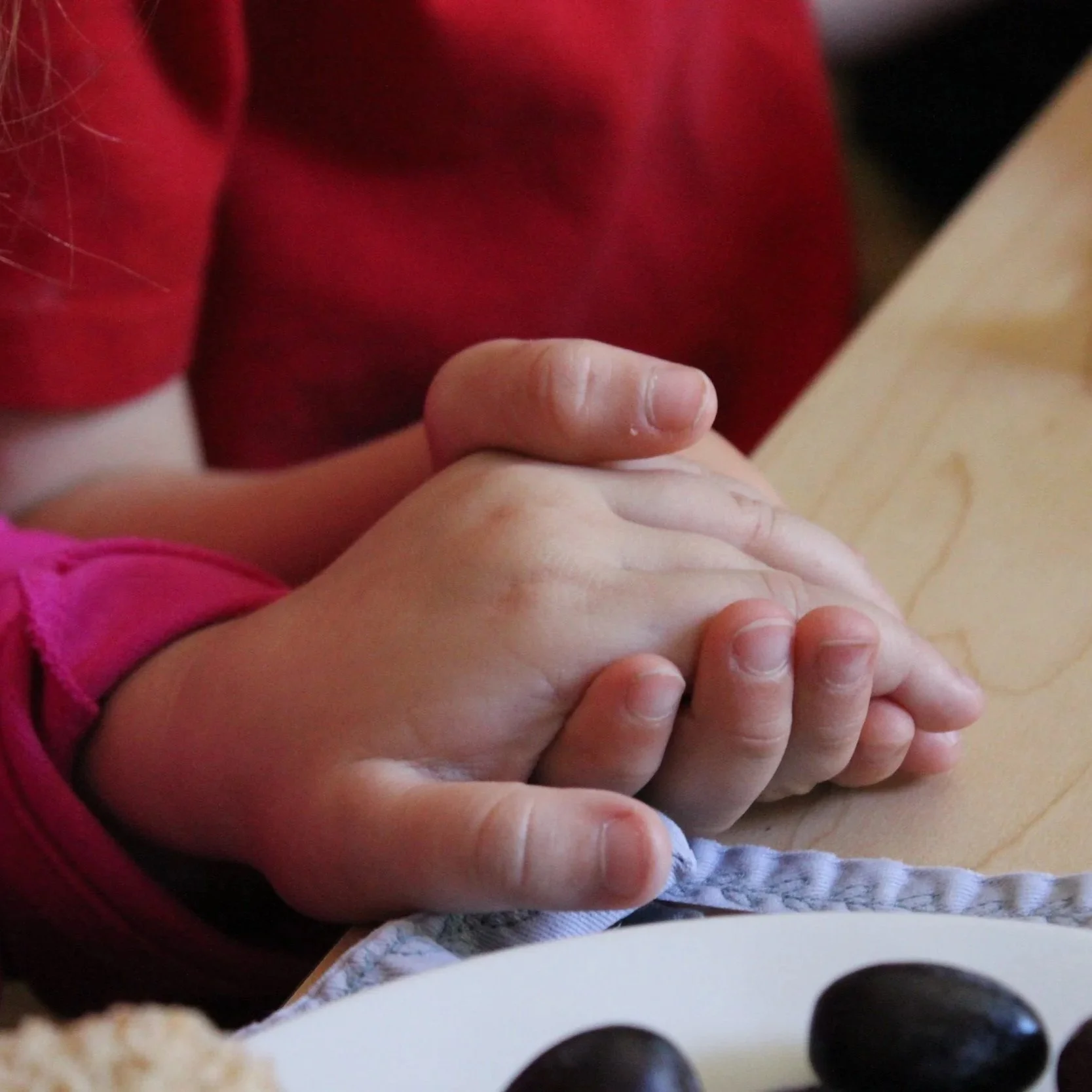
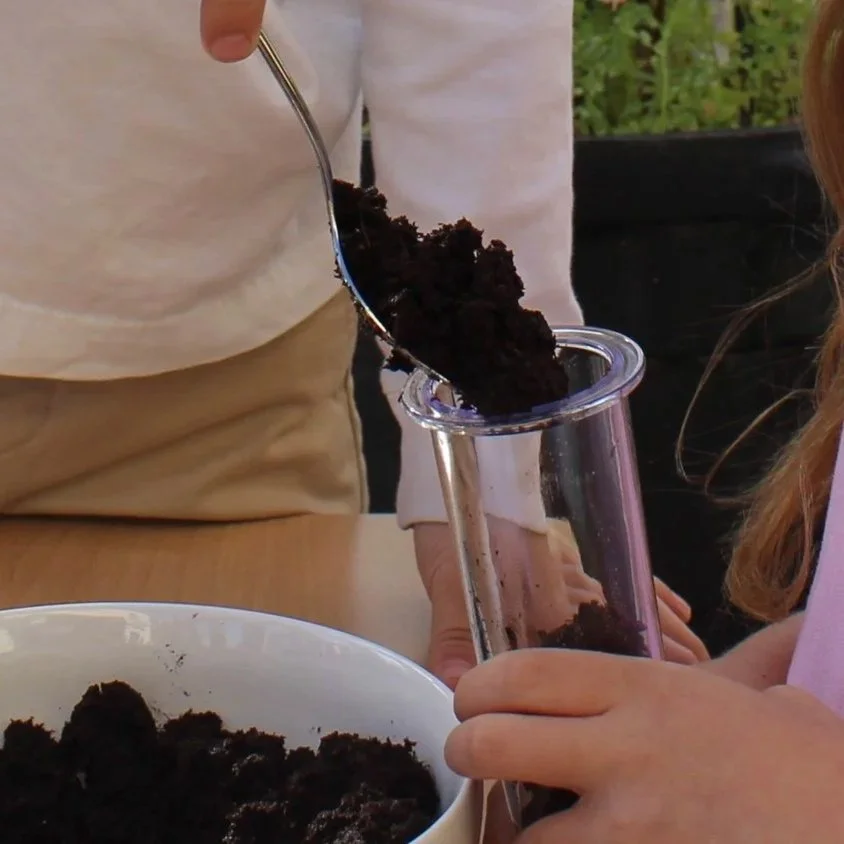
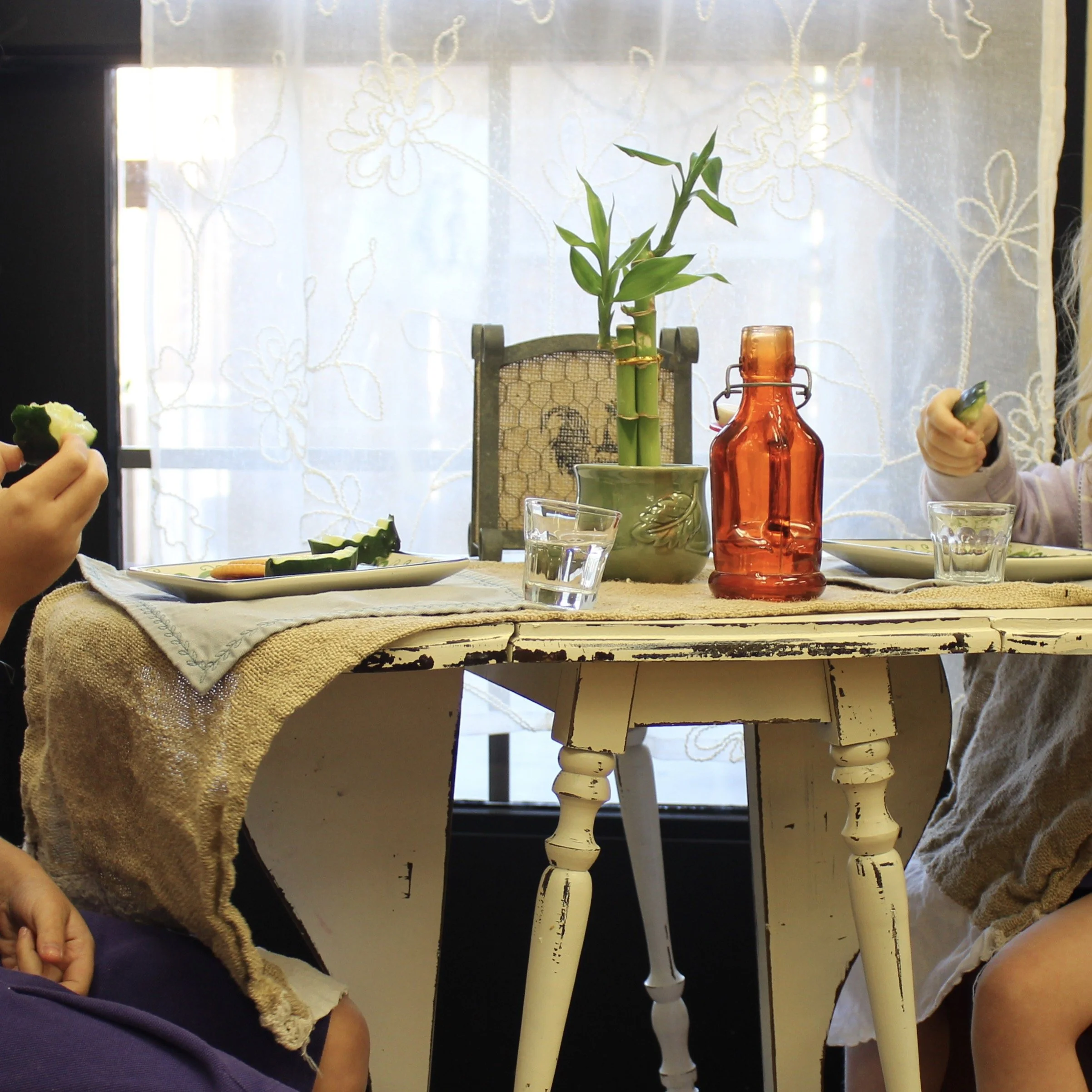
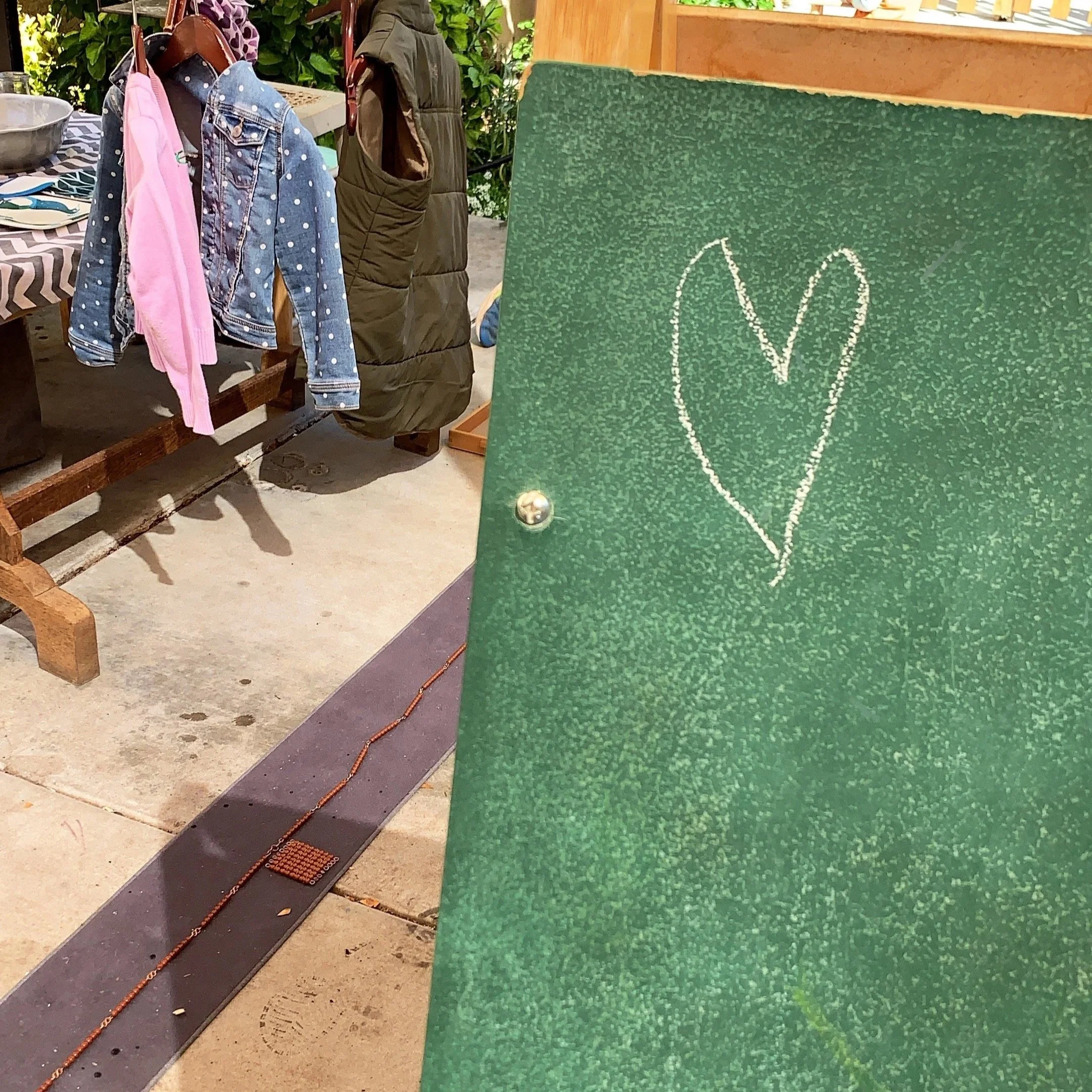
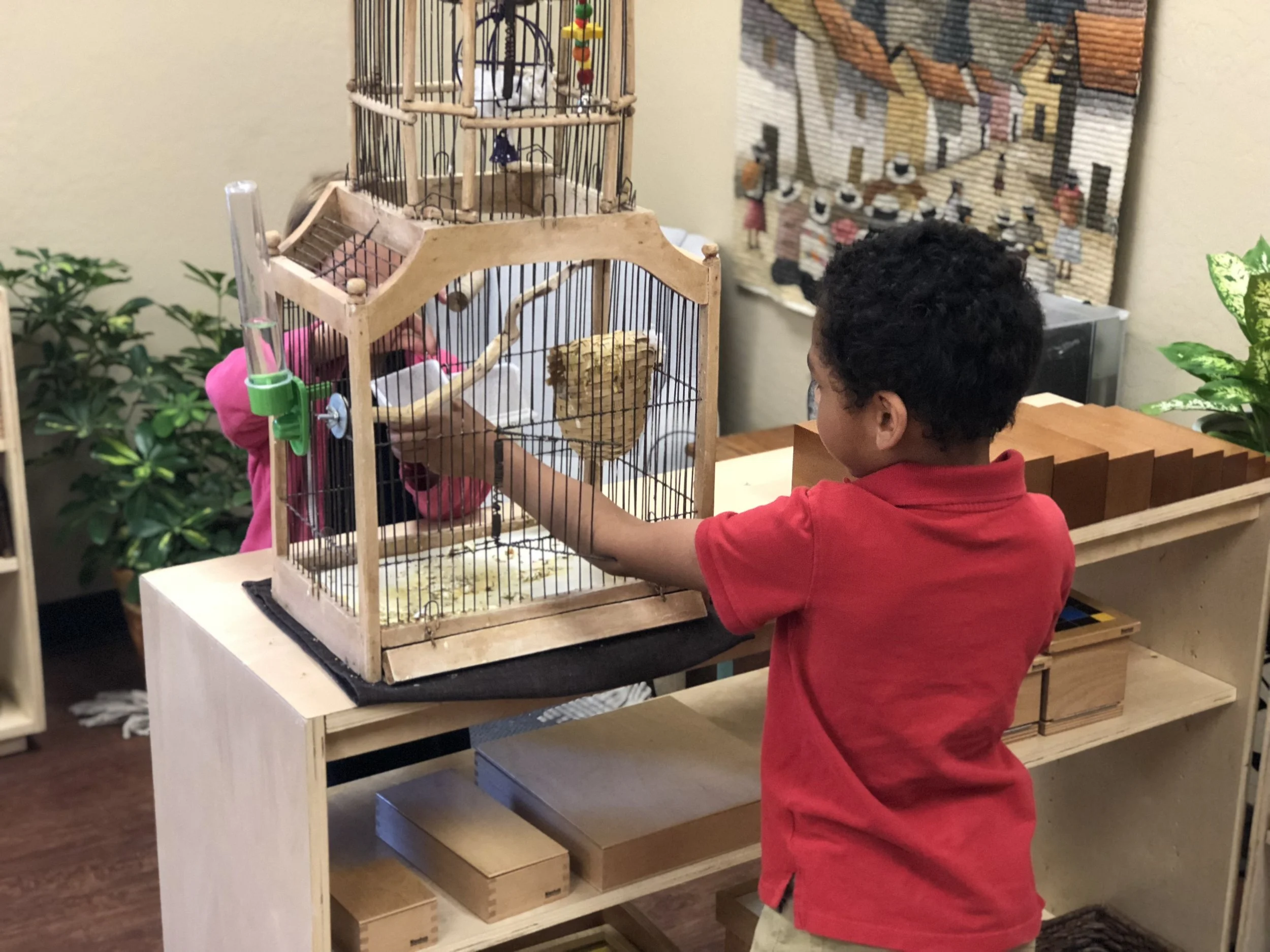
Below is what we like to call a series of “Can you help me?” and “Would you like some help?” moments. In these photos, you’ll see preschoolers and kindergartners (Primary children), supporting one another. Children become comfortable with frustration, with mistakes, with big feelings, and choosing to ask for help. You’ll also be able to image that caterpillar-to-butterfly transformation that happens over three years: the child who once needed support becoming the one who offers it. Care. Community. Confidence. Support.
Imagine a world where we all learned these life skills young. Where asking for help felt strong, not weak. Where offering help felt natural. This does not end in the Primary classroom. It becomes part of who they are.
Academic Outcomes: Depth Over Acceleration
In many traditional kindergarten classrooms, academics are introduced quickly through whole-group instruction, worksheets, and increasingly, technology-supported learning. Tablets, smartboards, and computer-based literacy programs are common.
In our Montessori Primary classrooms, there is no technology. No screens. No tablets. No digital learning platforms.
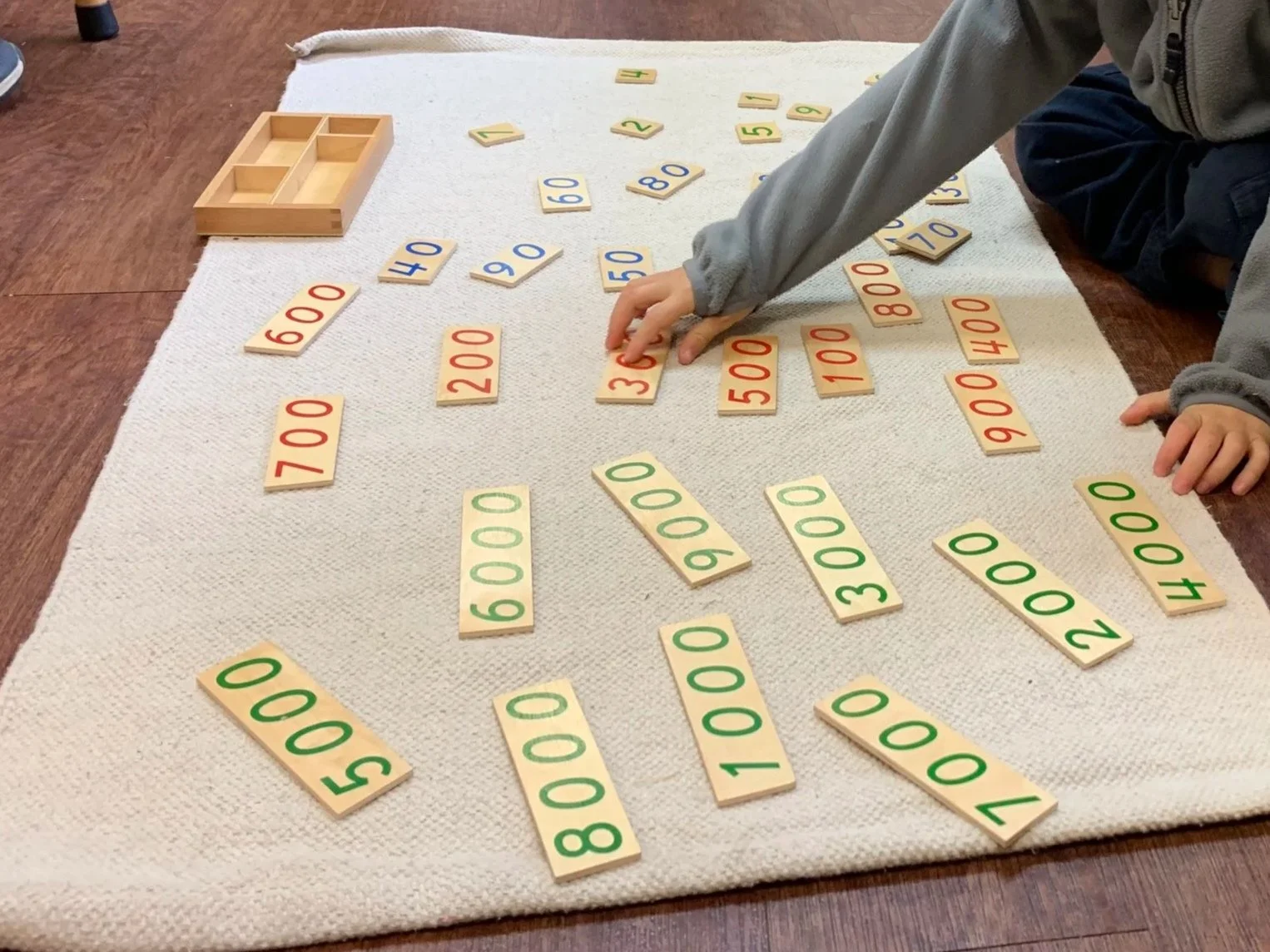
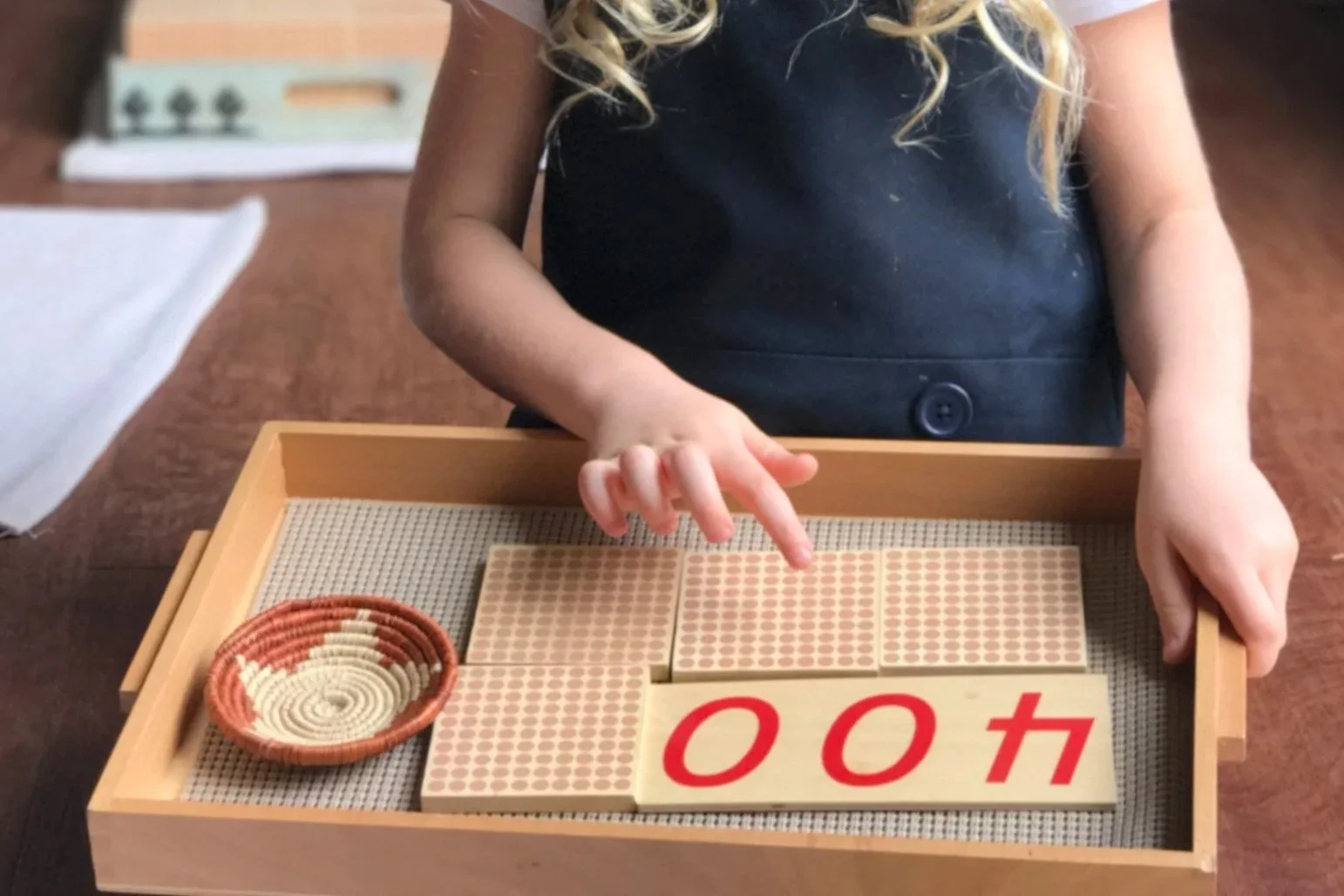
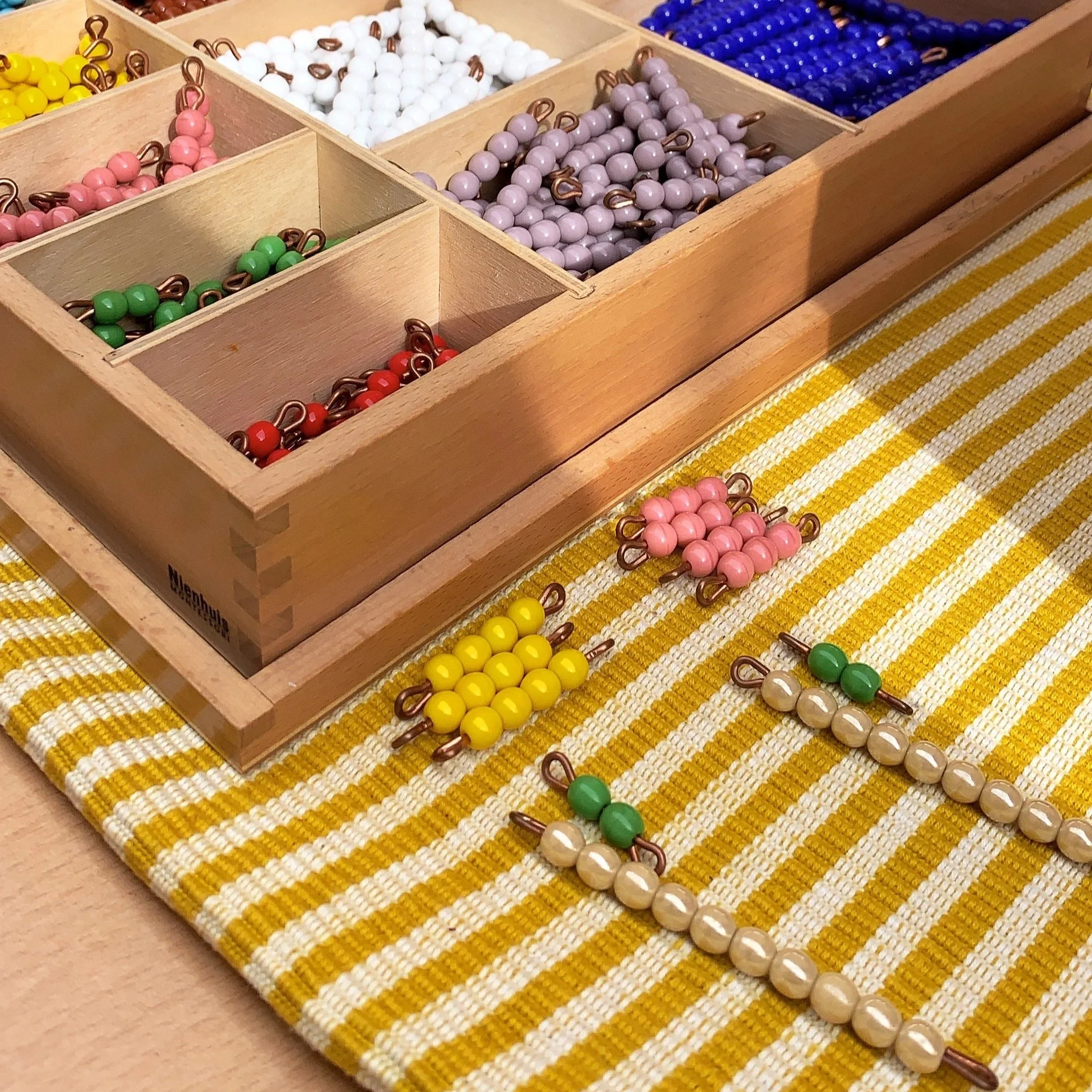
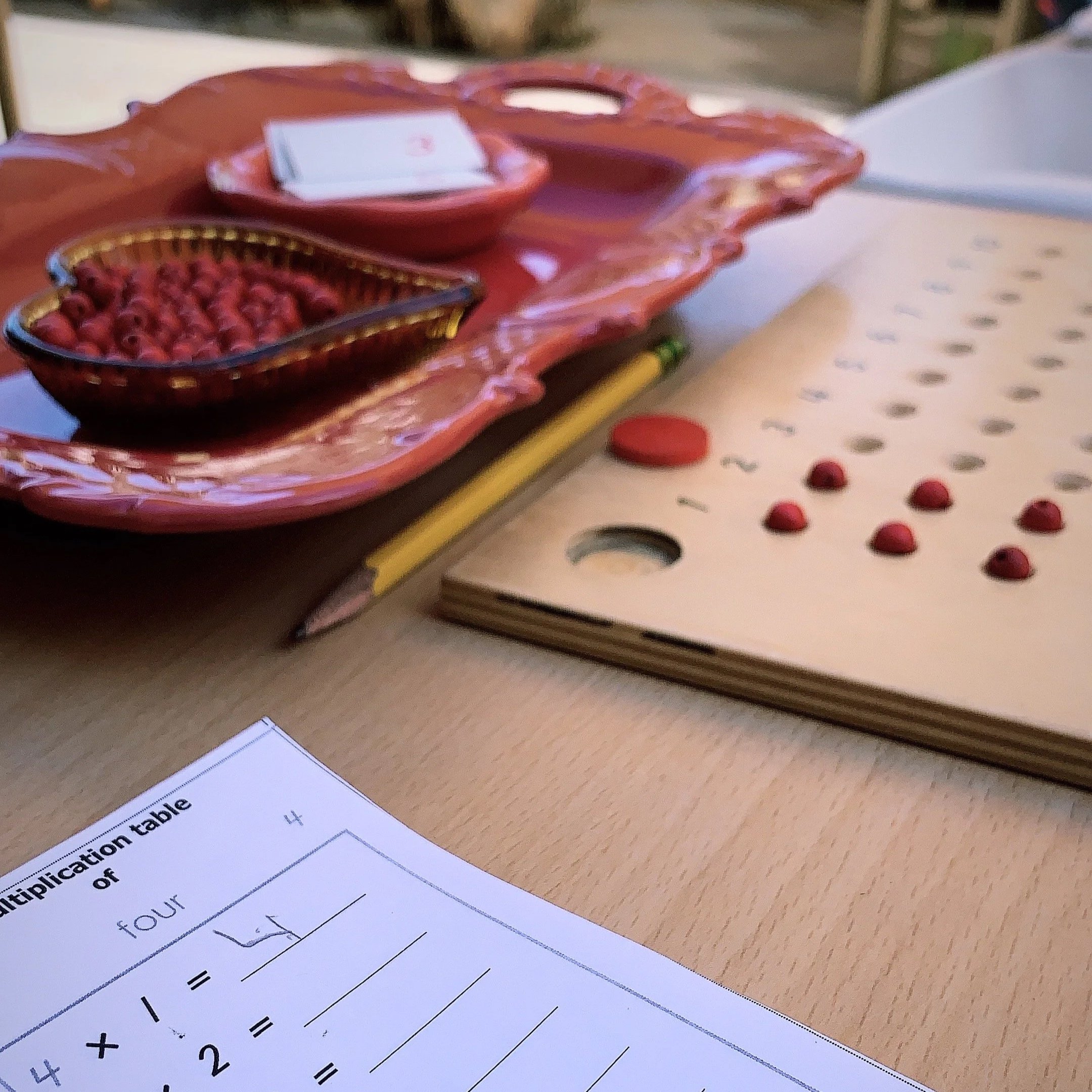
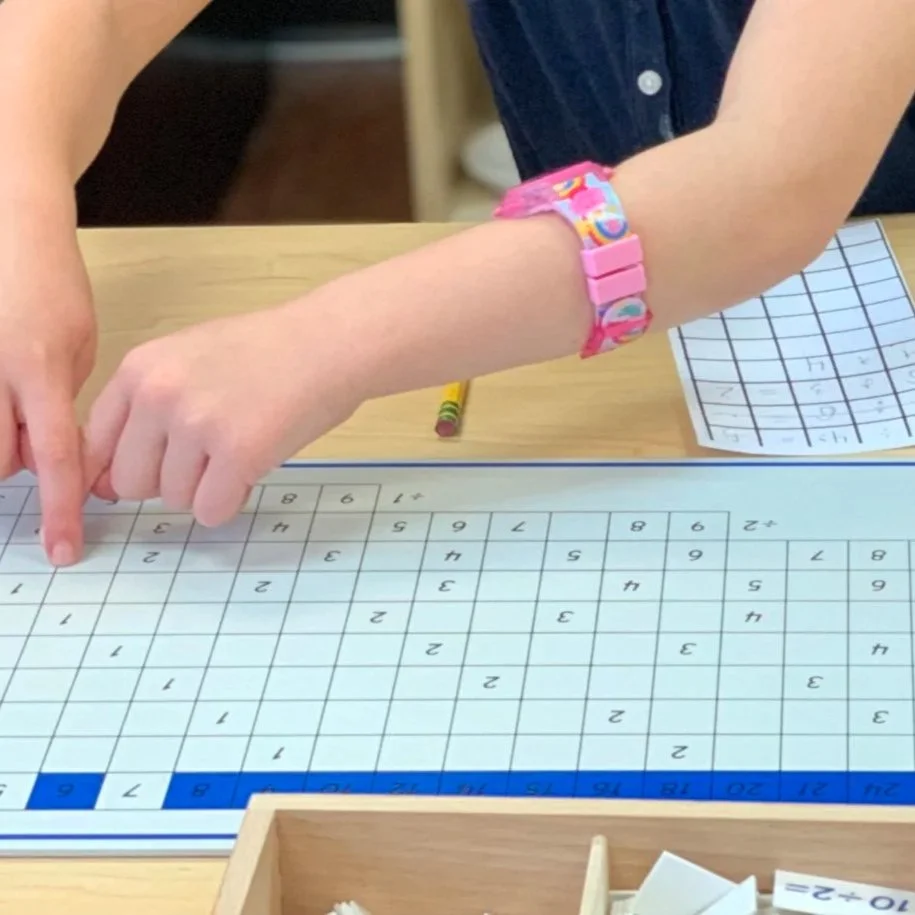
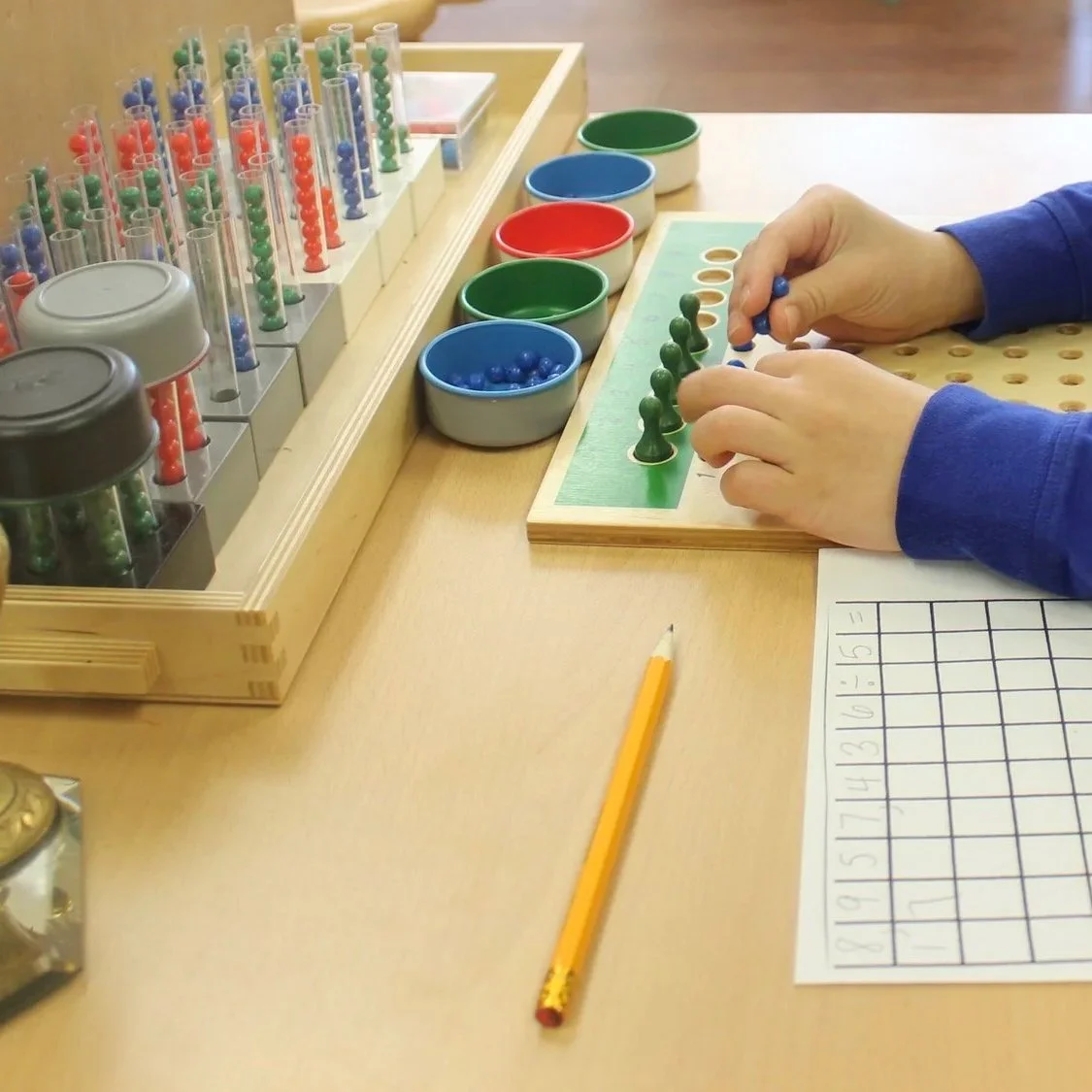
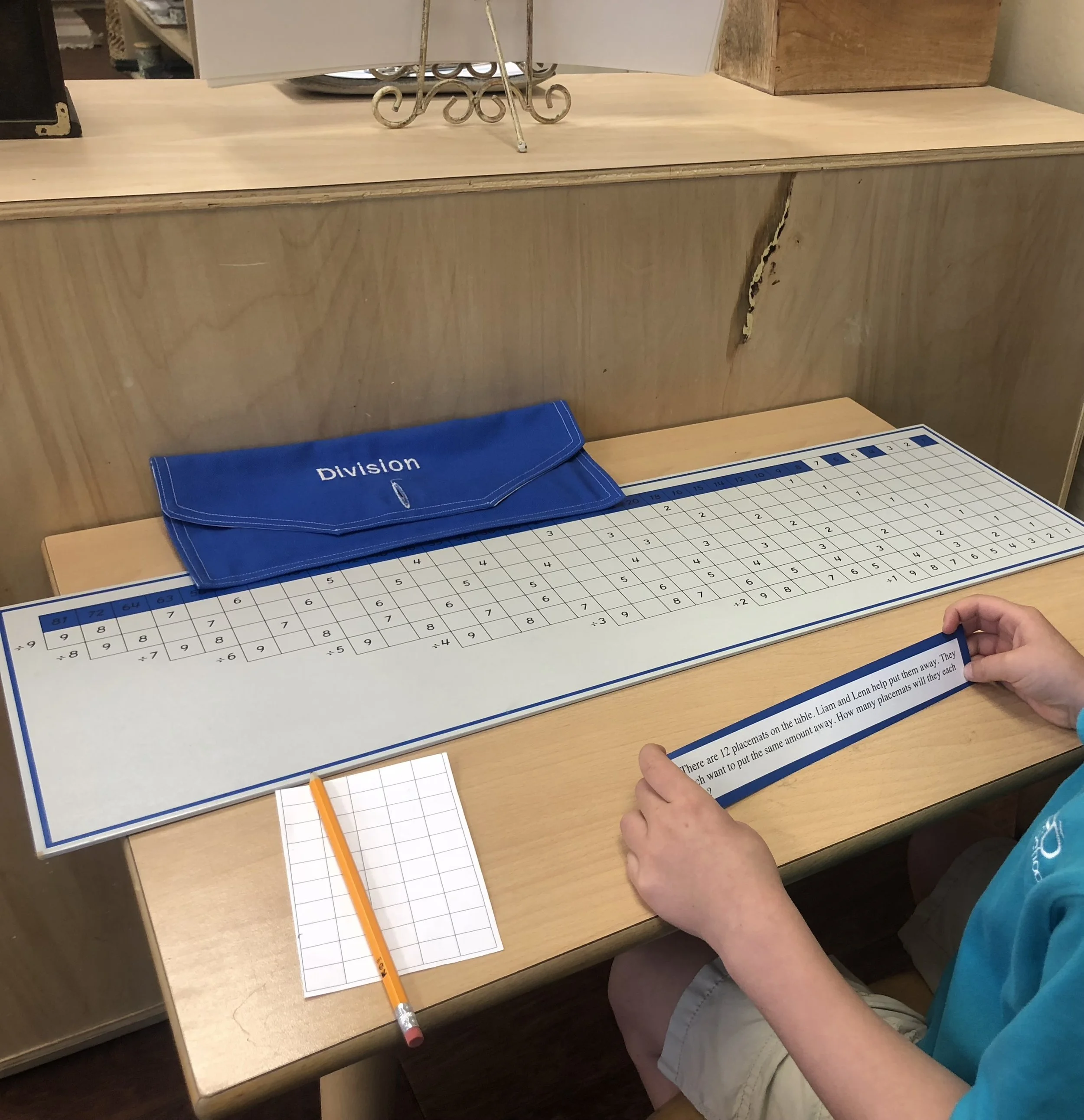
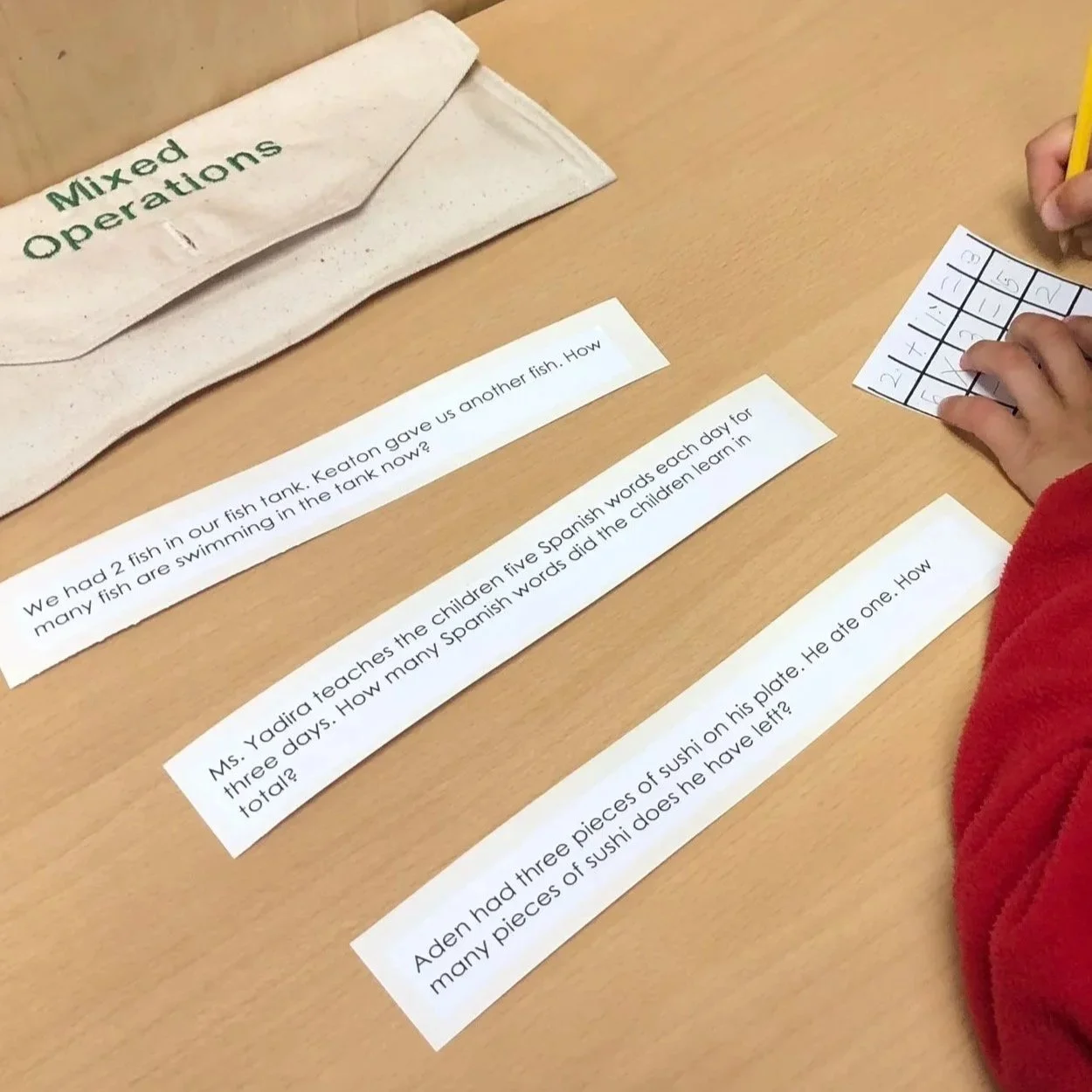
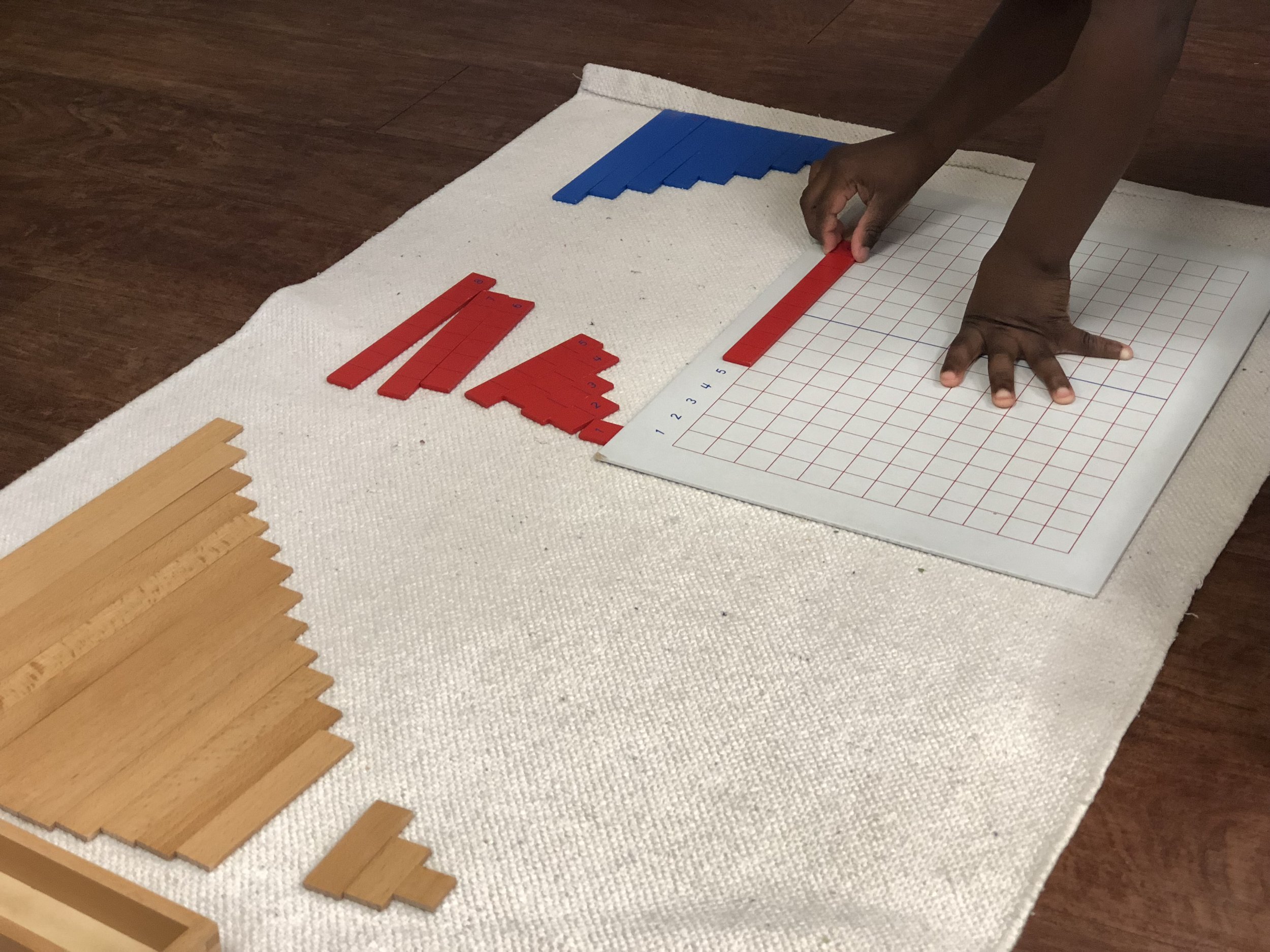
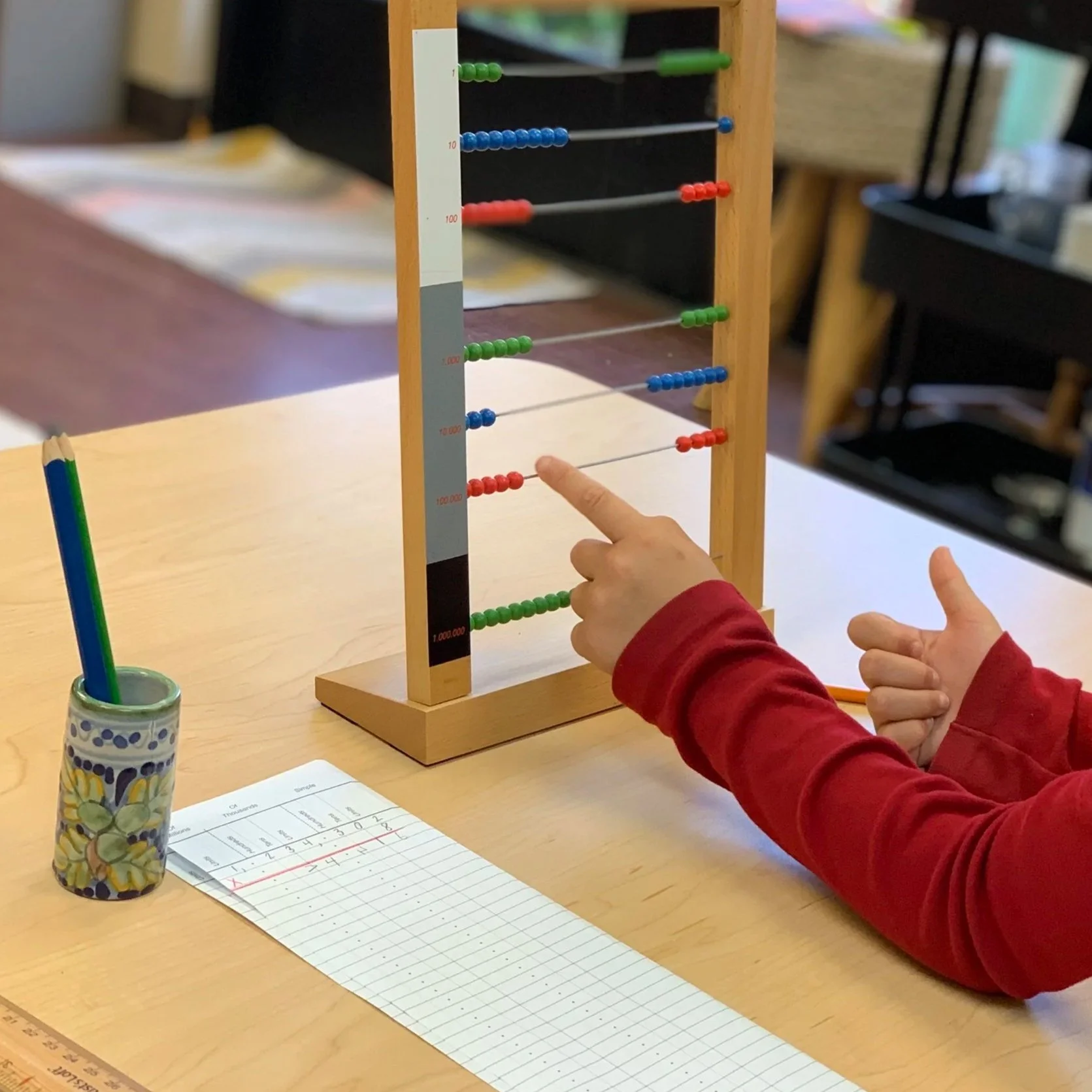
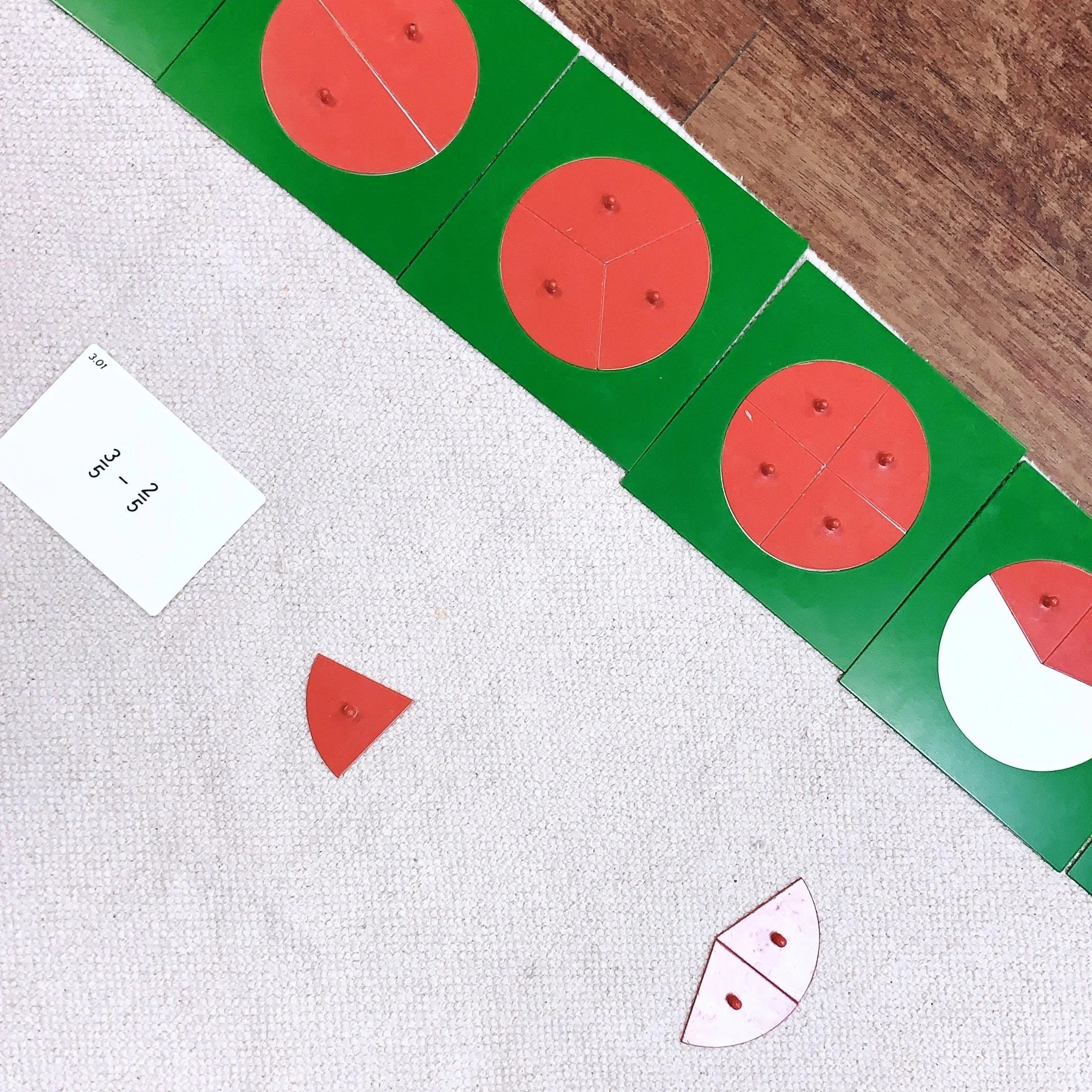
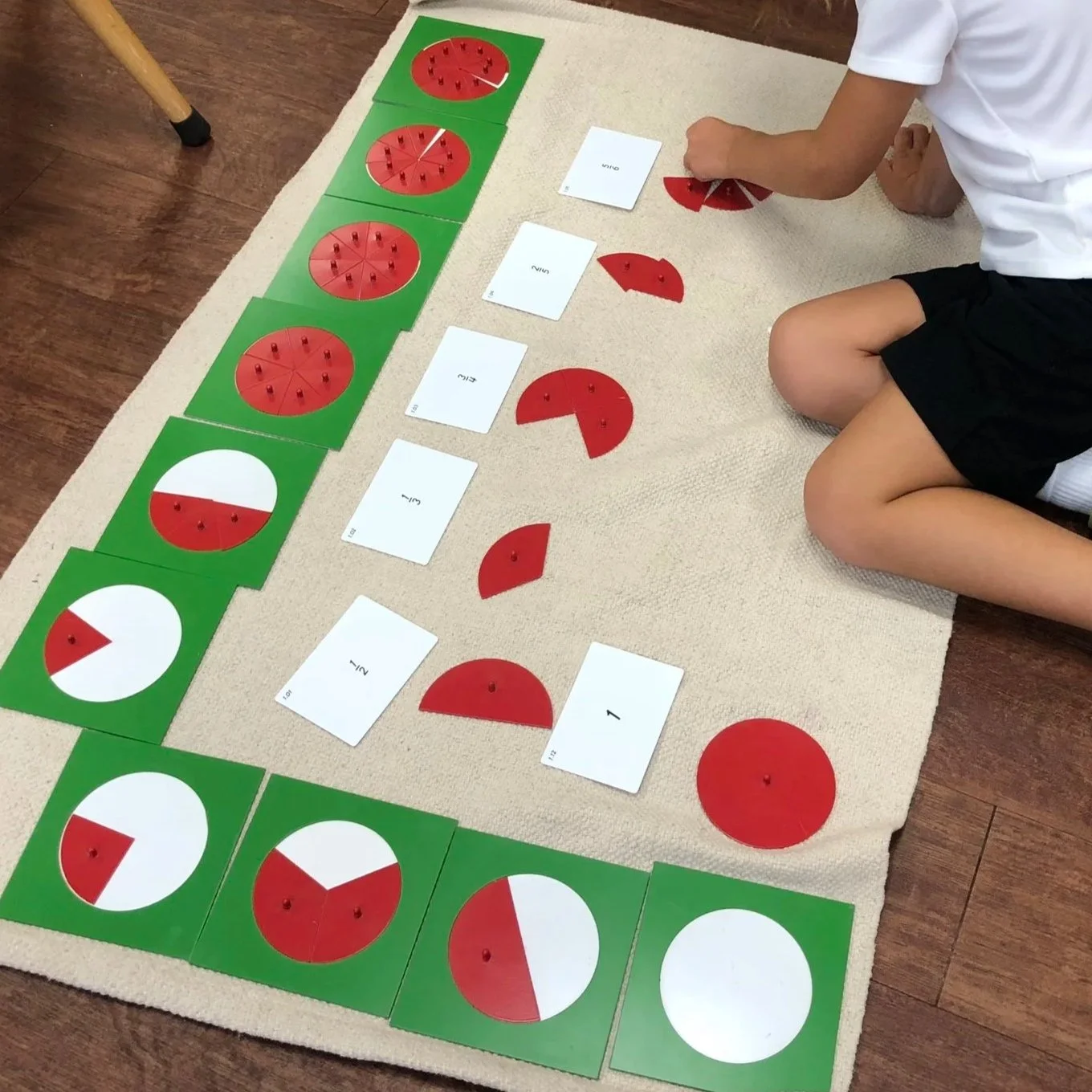
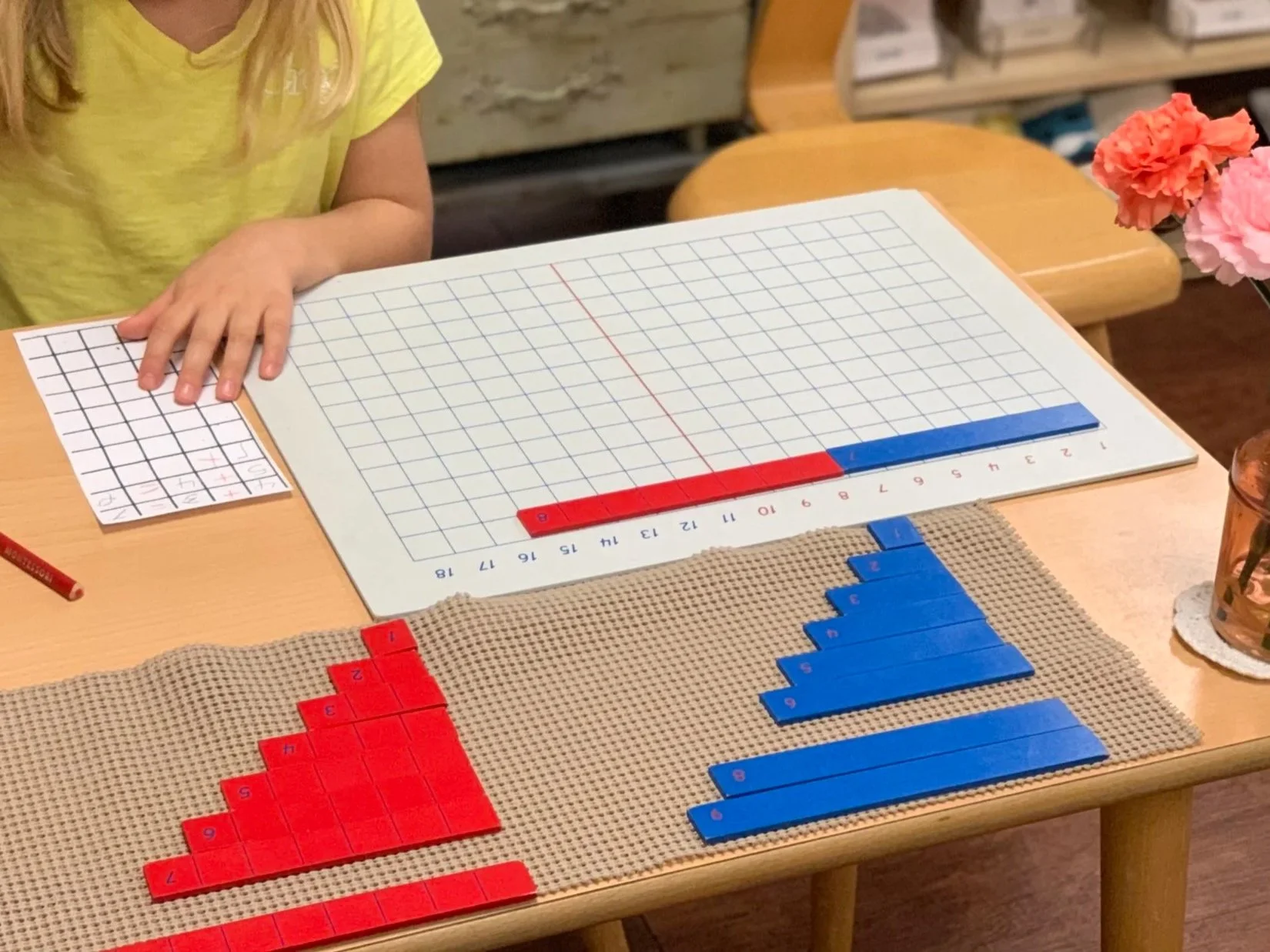
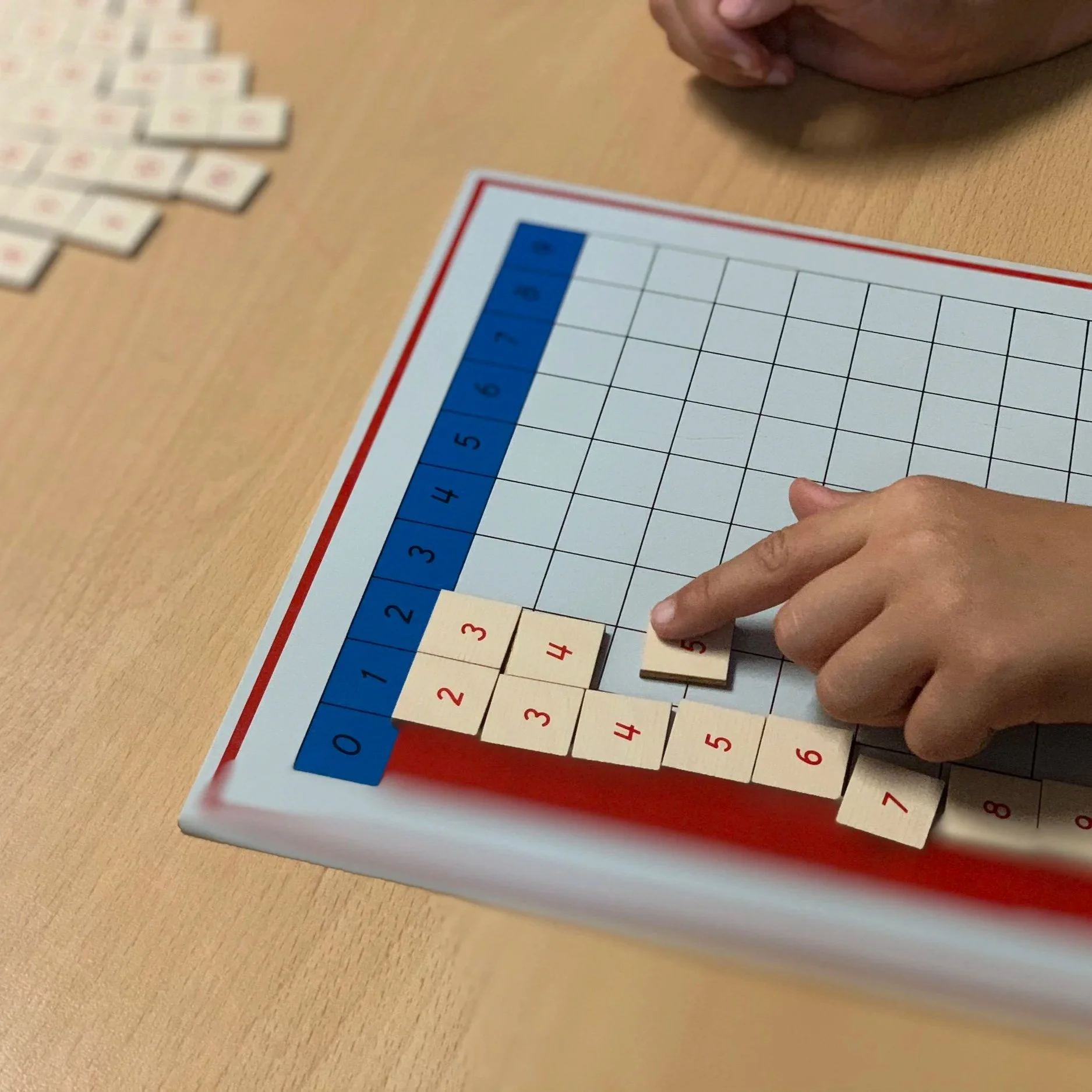
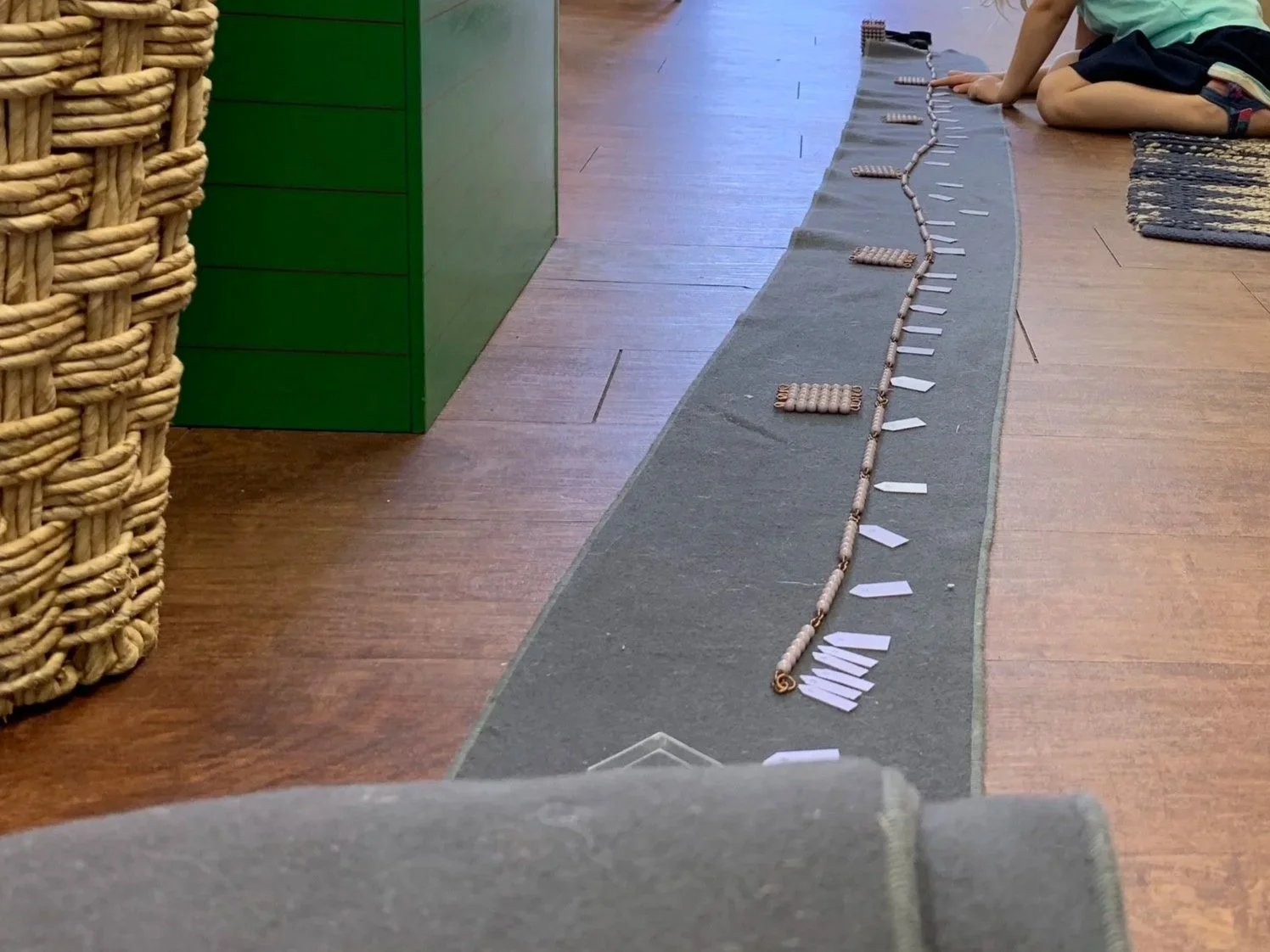
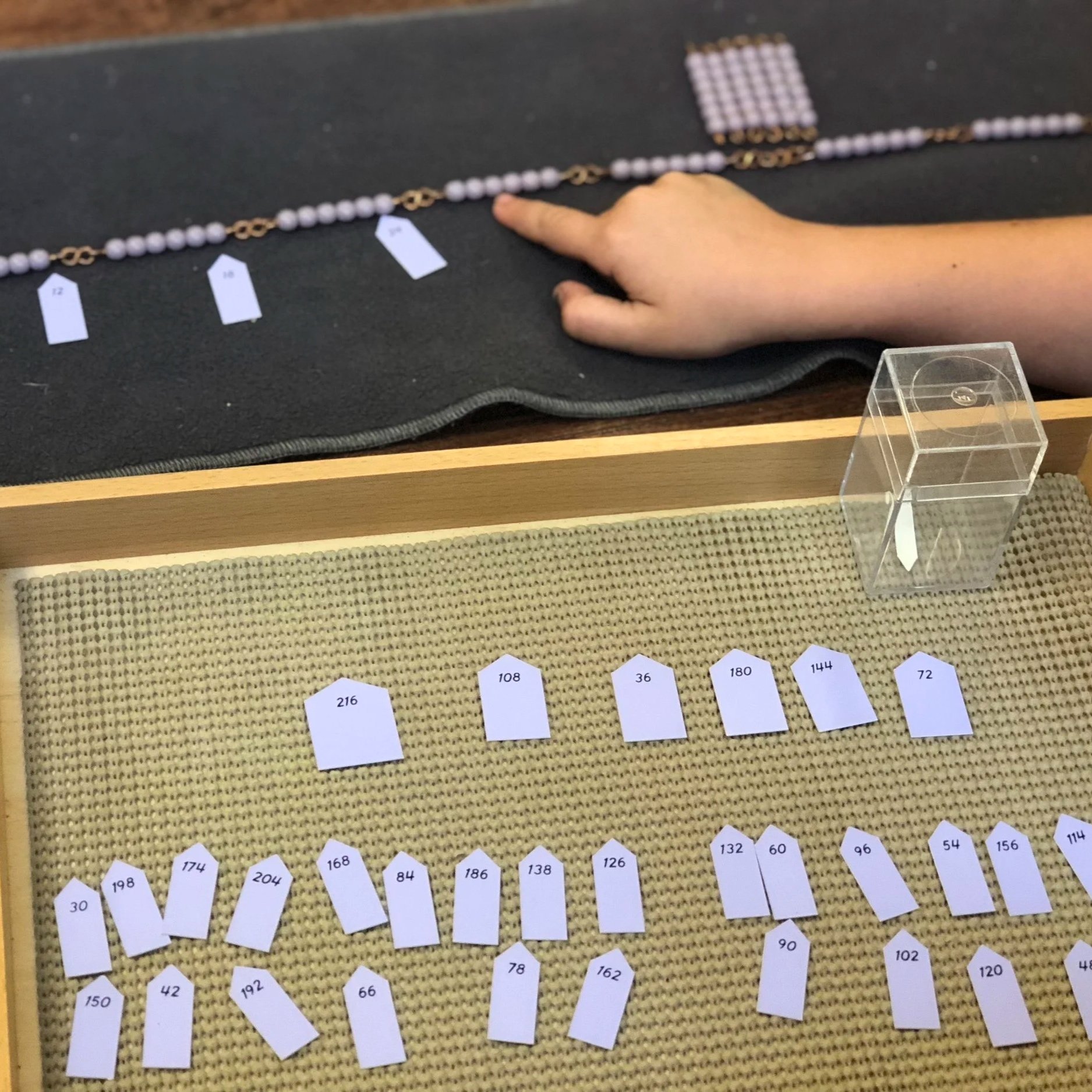
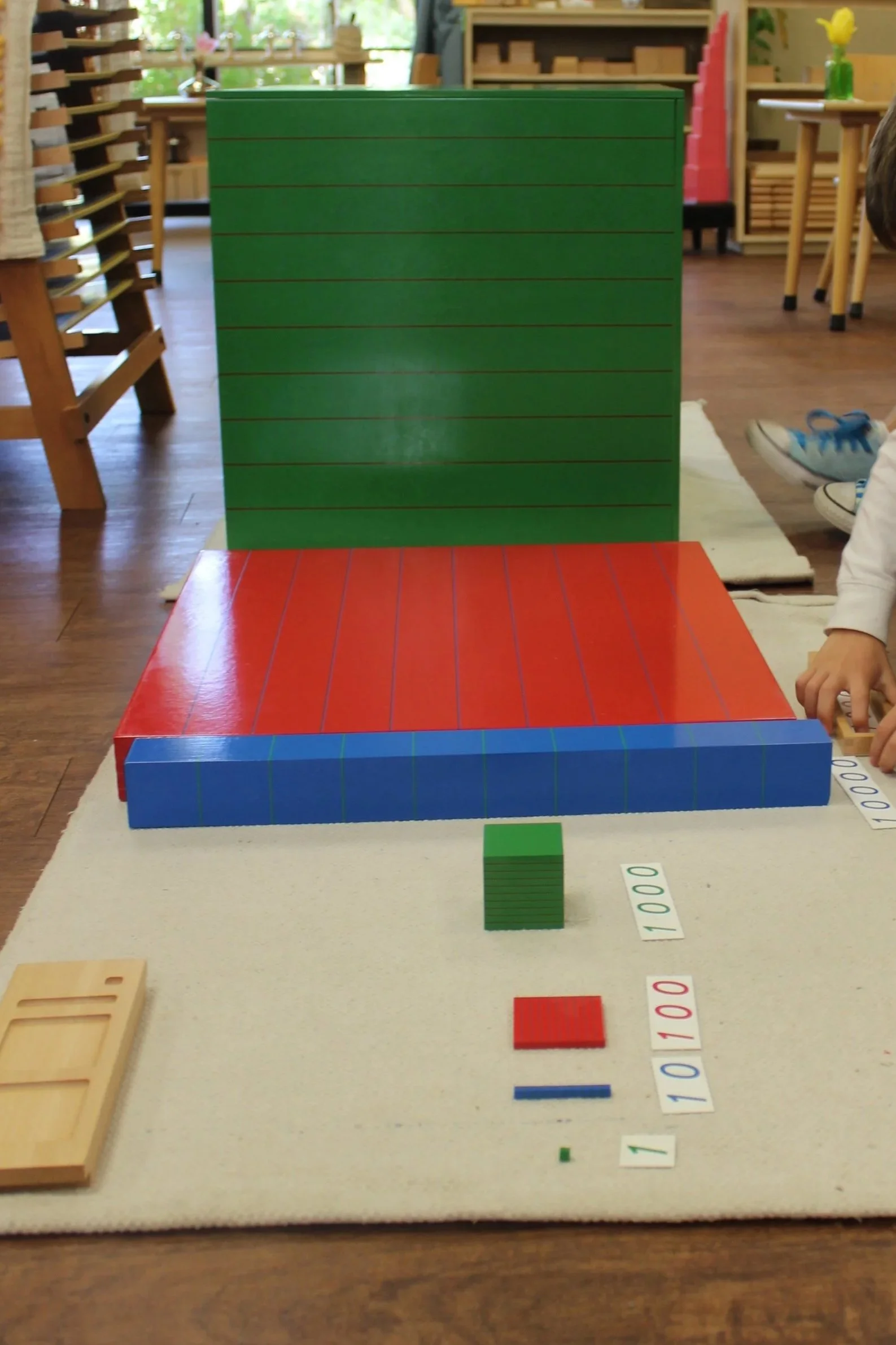
Instead, children build neural pathways through movement, touch, repetition, and hands-on materials carefully designed to move from concrete to abstract thinking.
From a brain development perspective, this matters.
Between ages three and six, the brain is forming critical neural architecture for executive functioning, language acquisition, mathematical reasoning, and self-regulation. Research in early childhood development consistently shows that multi-sensory, hands-on learning strengthens synaptic connections more effectively than passive or screen-based input. Movement and material manipulation build durable cognitive pathways.
By the third year of the cycle, Montessori Kindergarten students typically demonstrate:
Fluent early reading grounded in phonetic awareness and true comprehension
Strong writing skills supported by years of fine motor preparation
Concrete-to-abstract mathematical reasoning, including place value and operations
Sustained concentration during extended work cycles
Executive functioning skills such as planning, sequencing, and task completion
Internal motivation rather than reward-driven performance
Rather than accelerating academics artificially, we deepen them developmentally. Preparation has been happening all along.
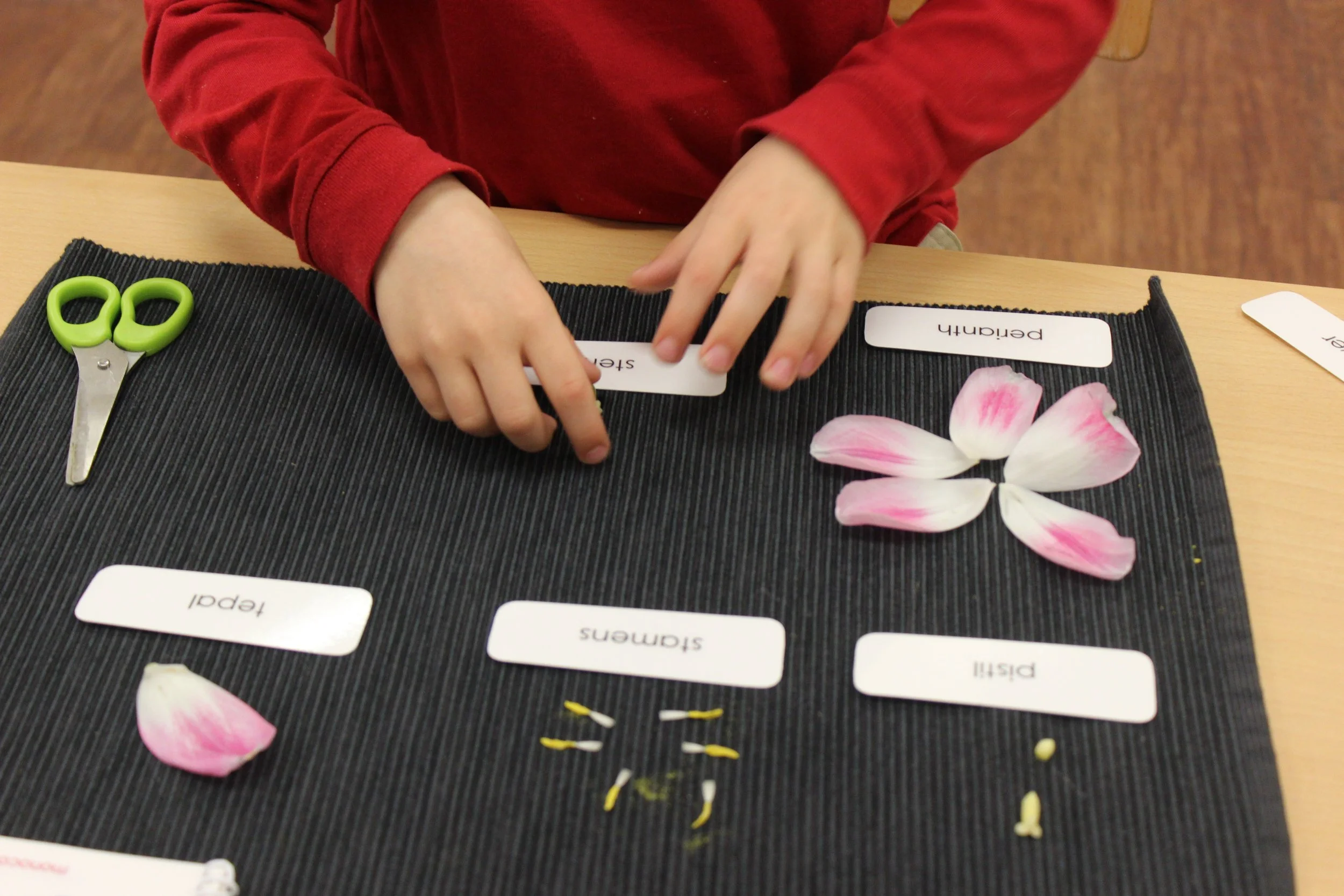
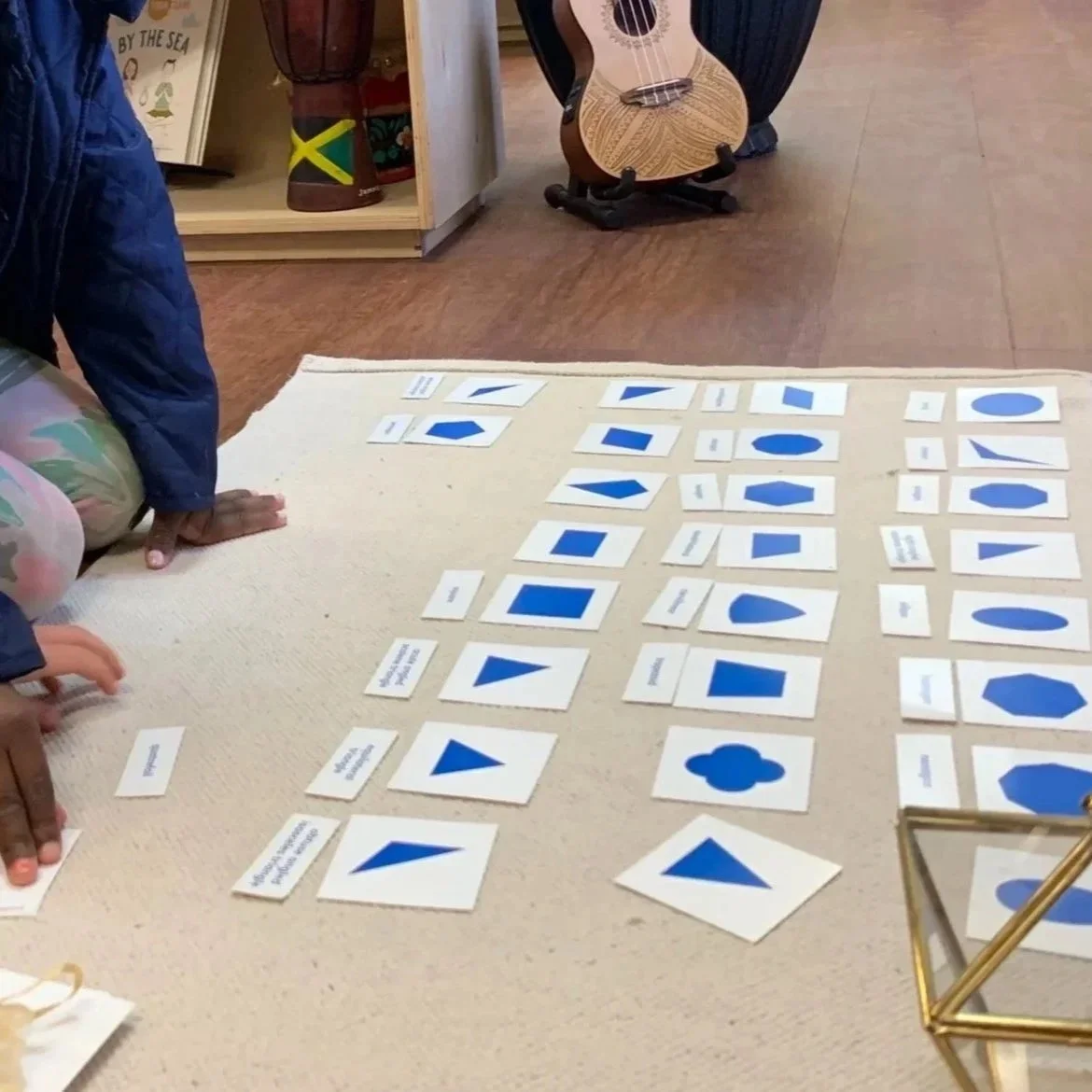
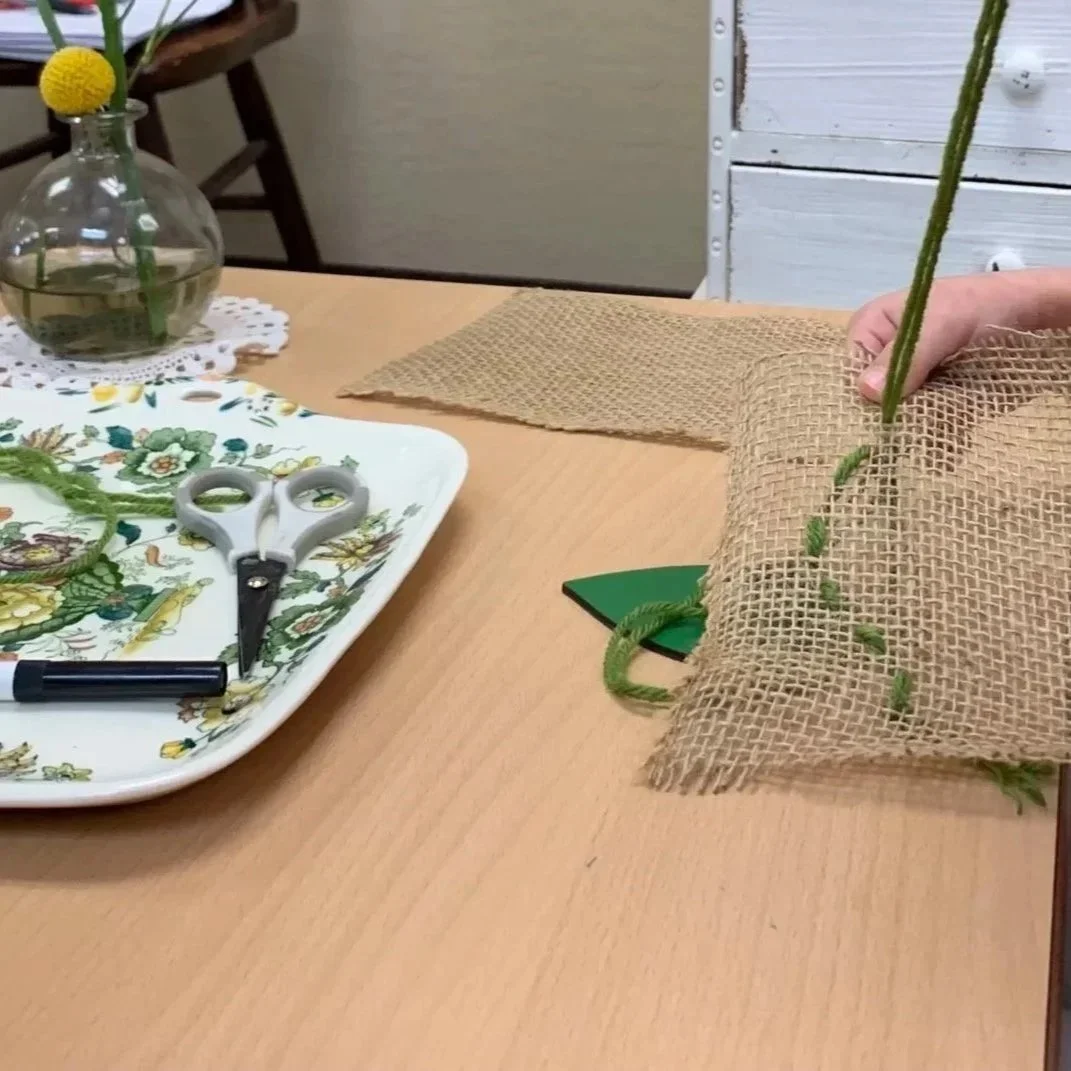
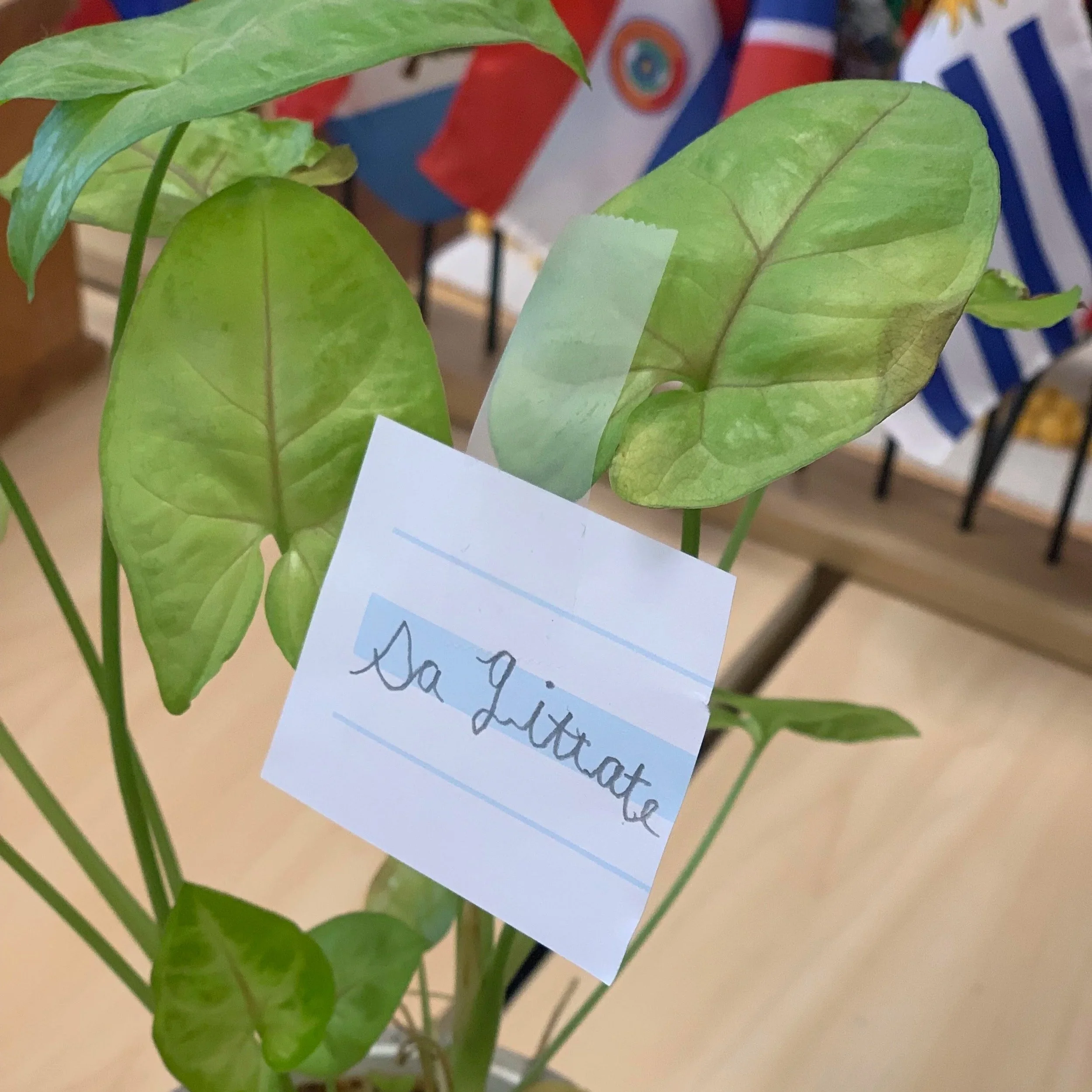
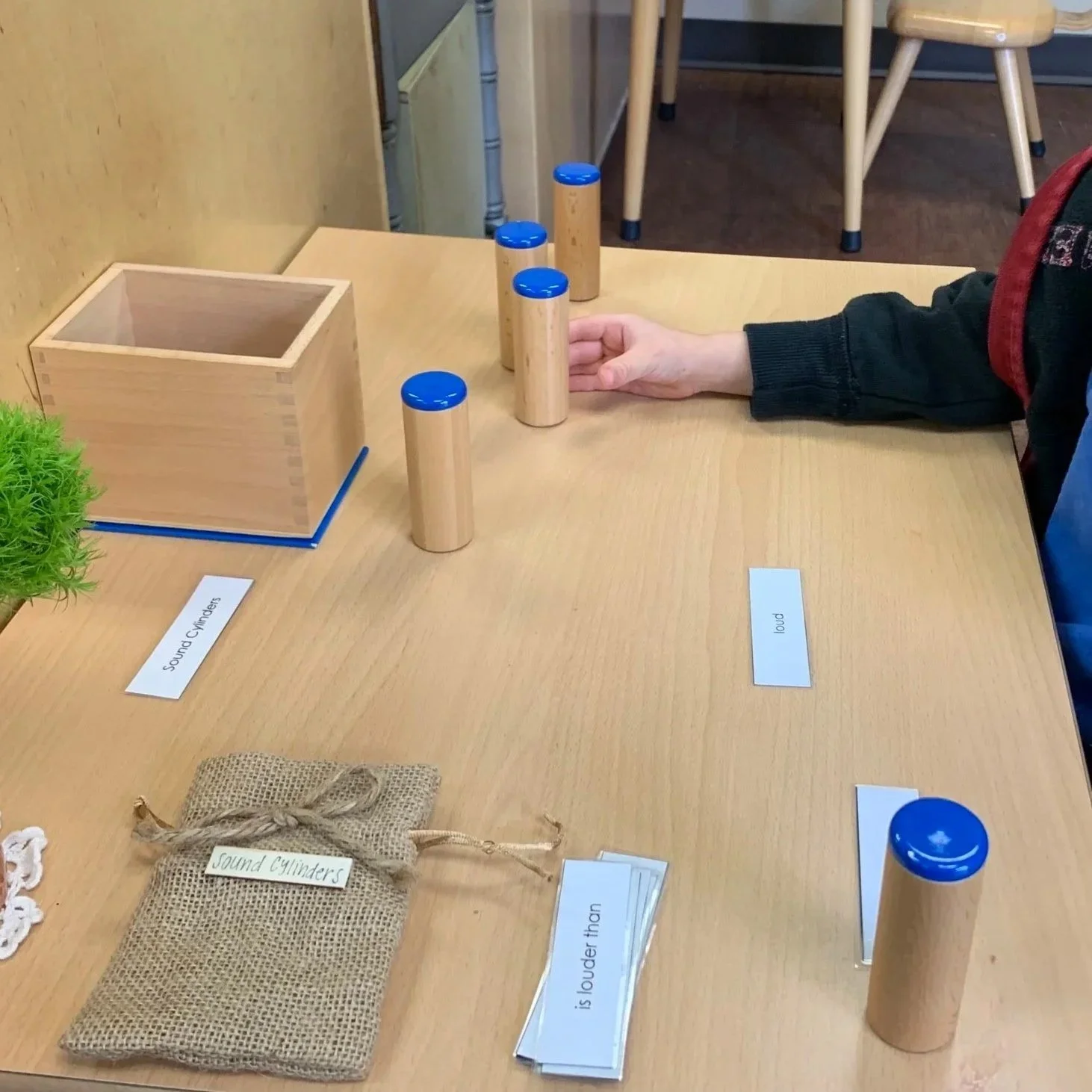
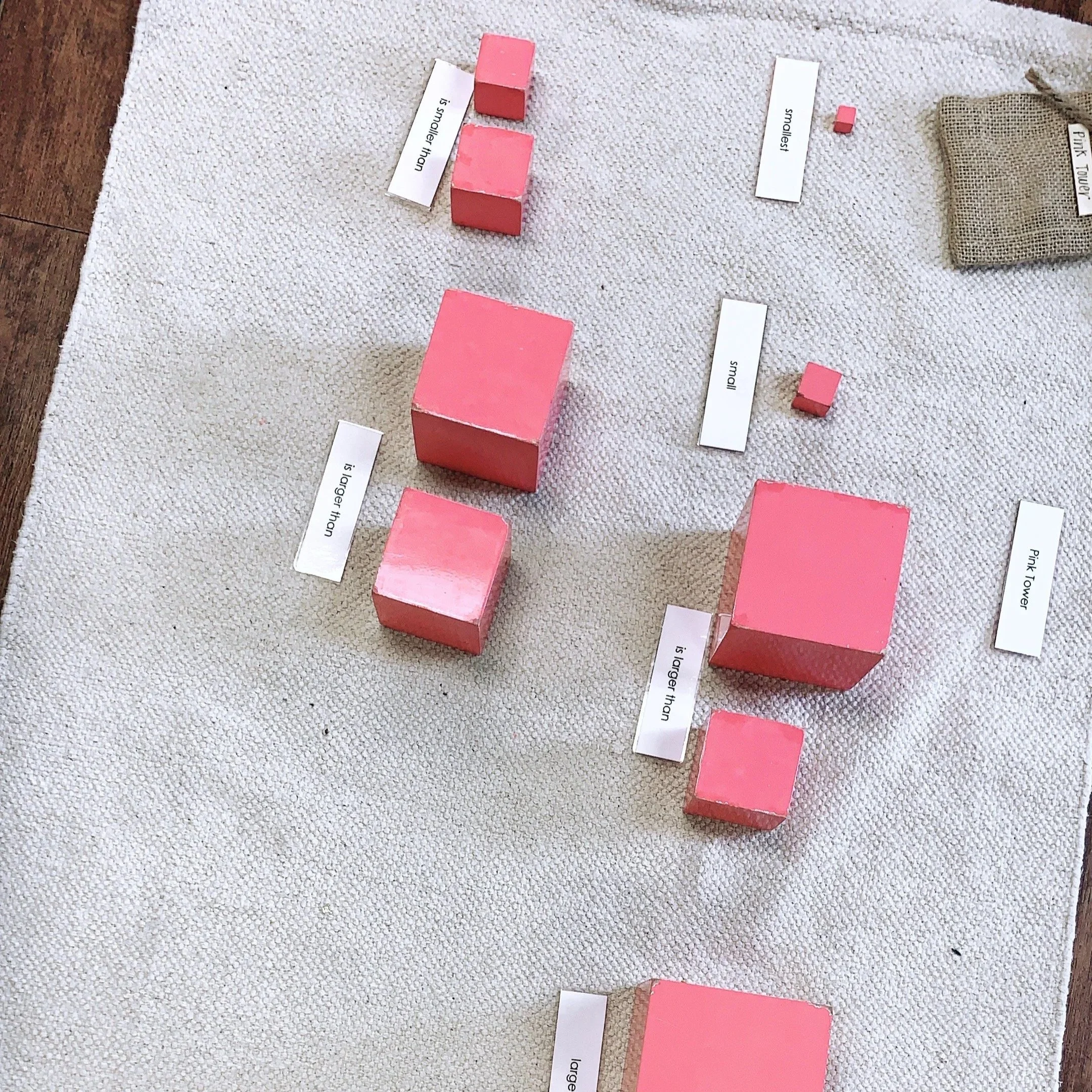
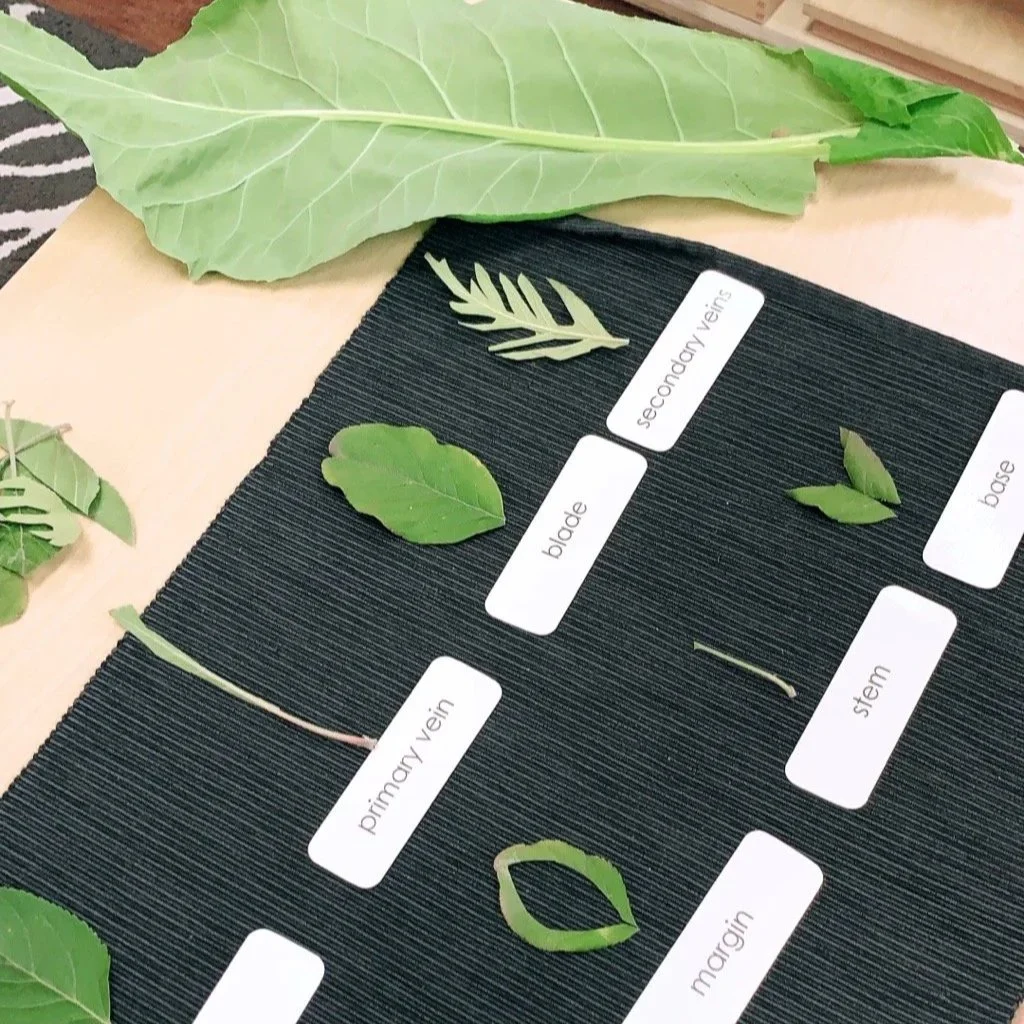
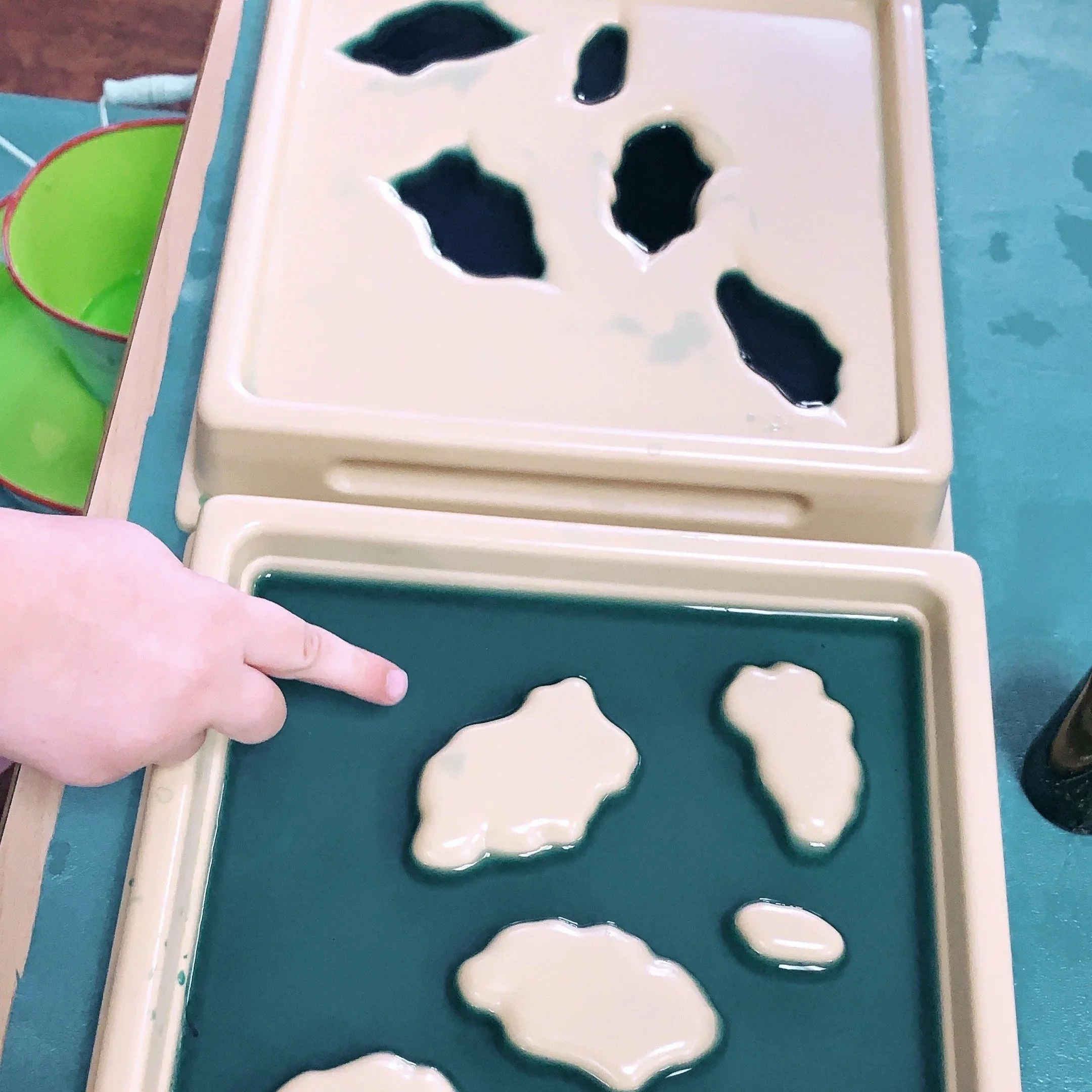
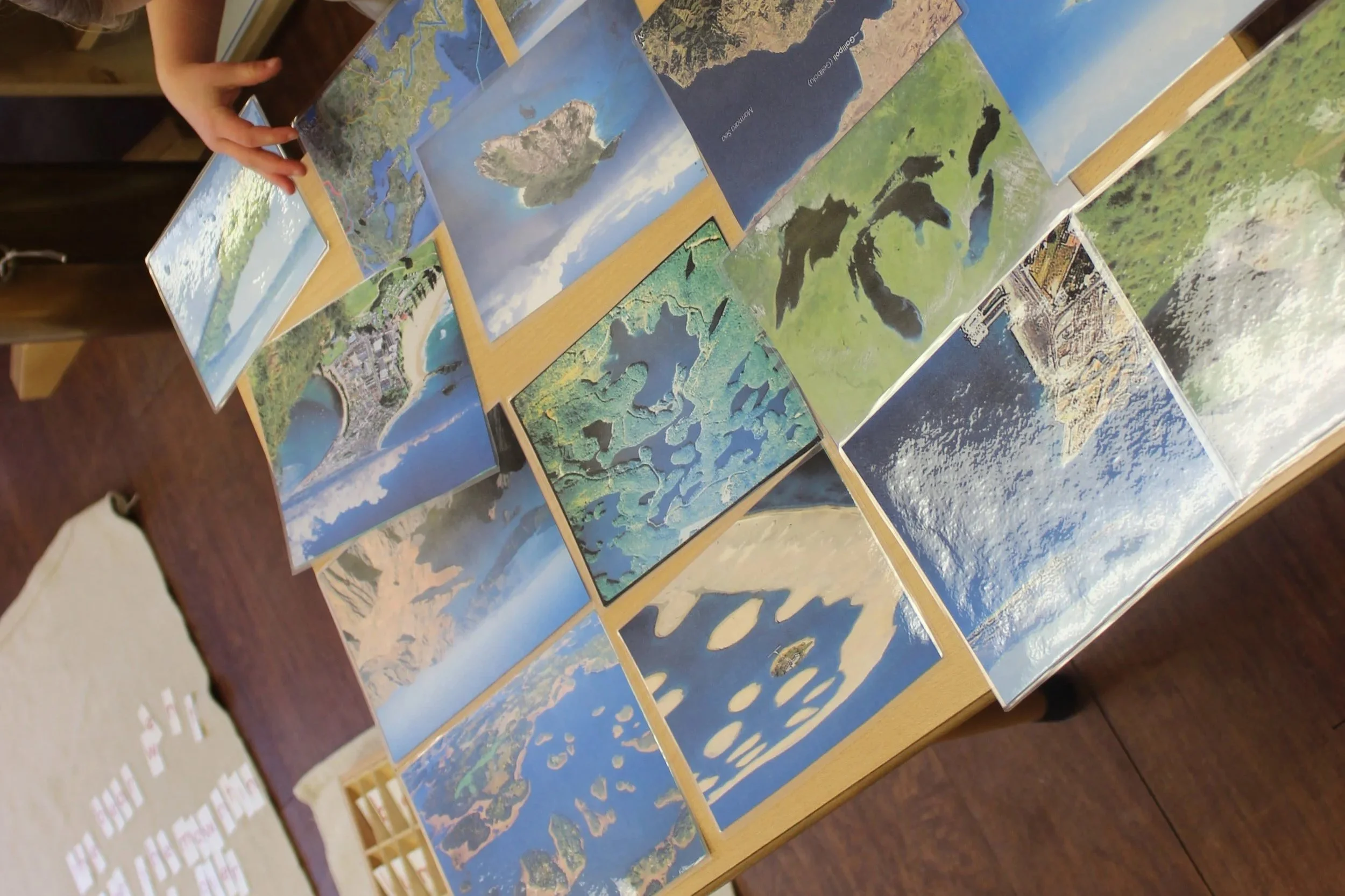
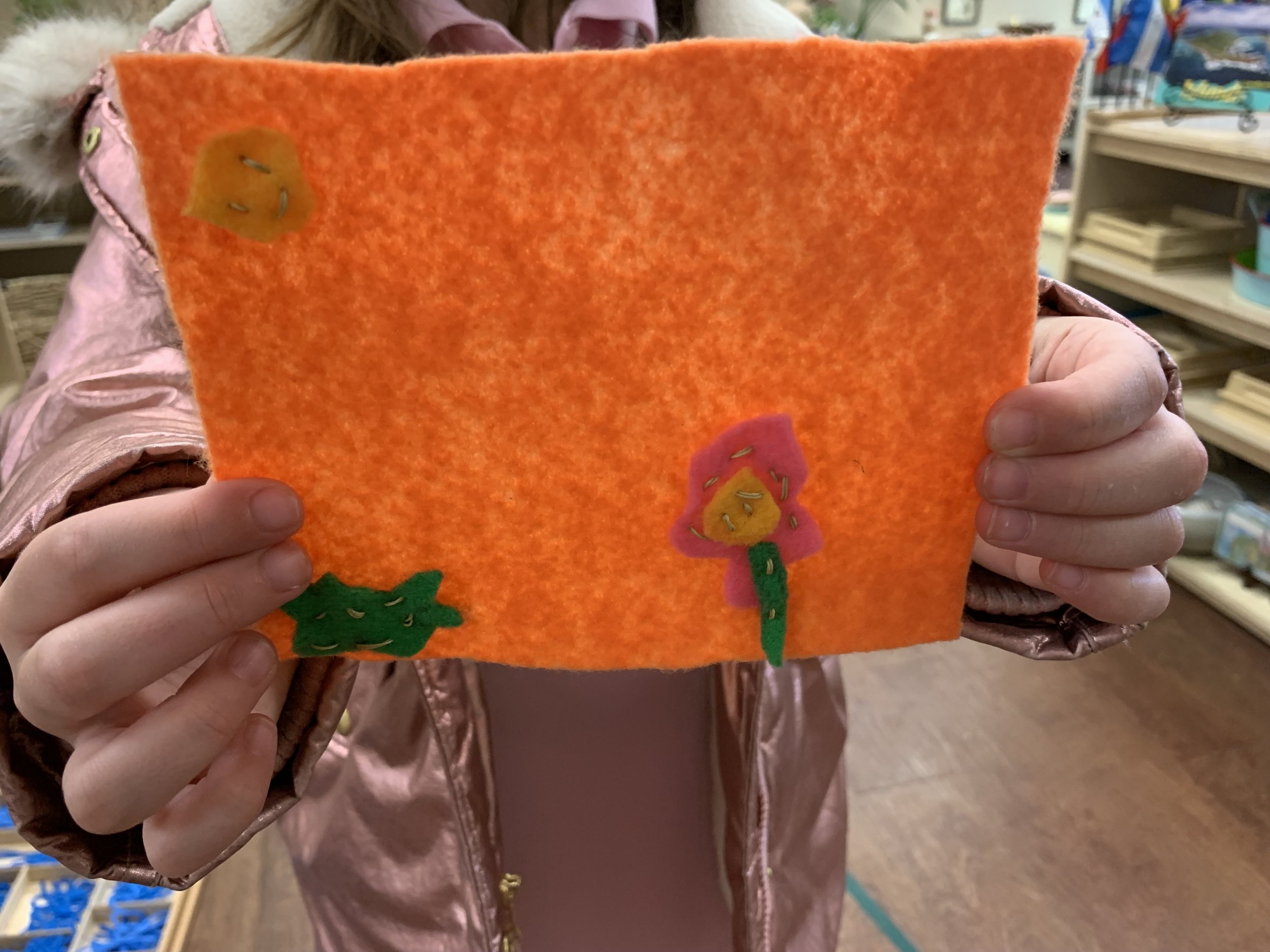
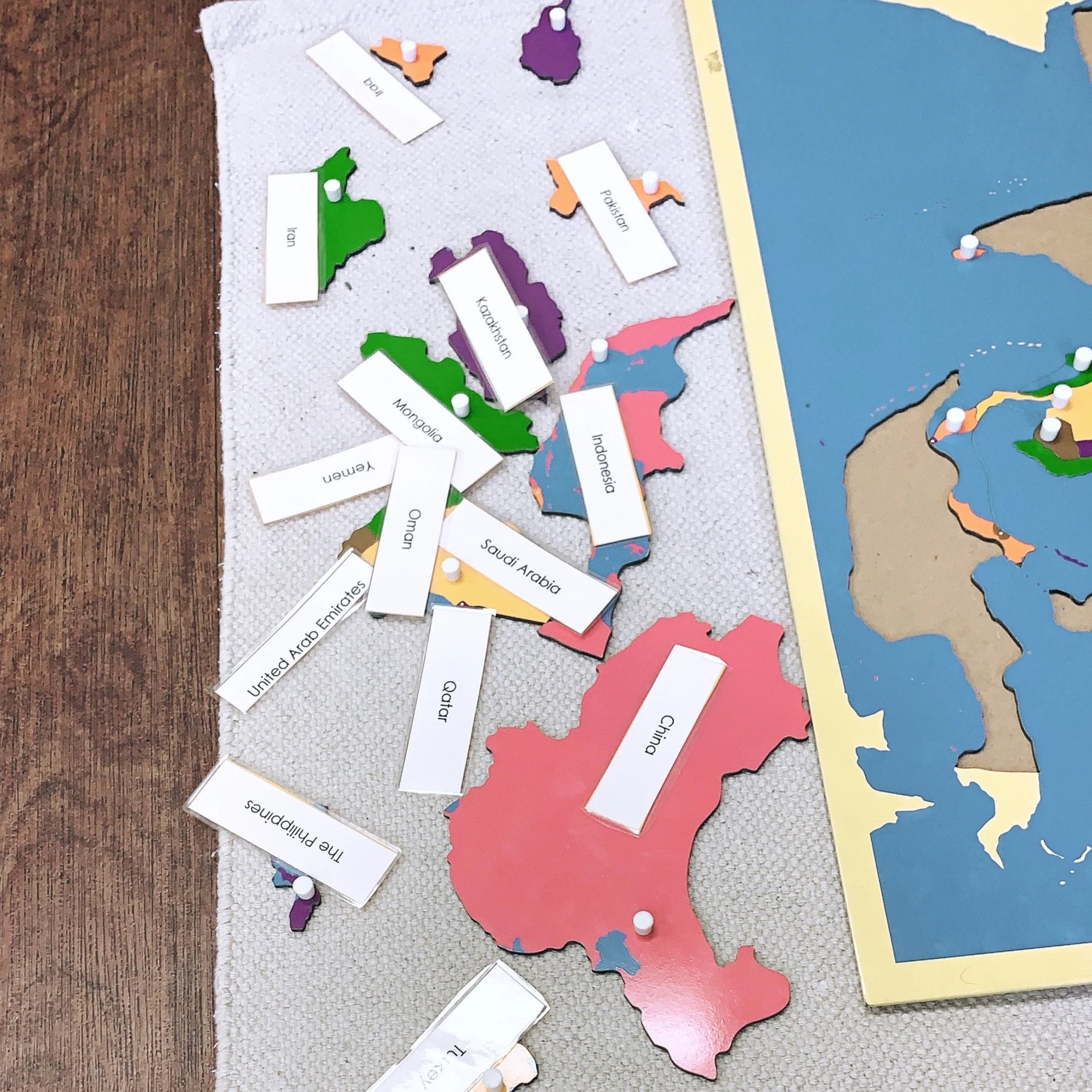
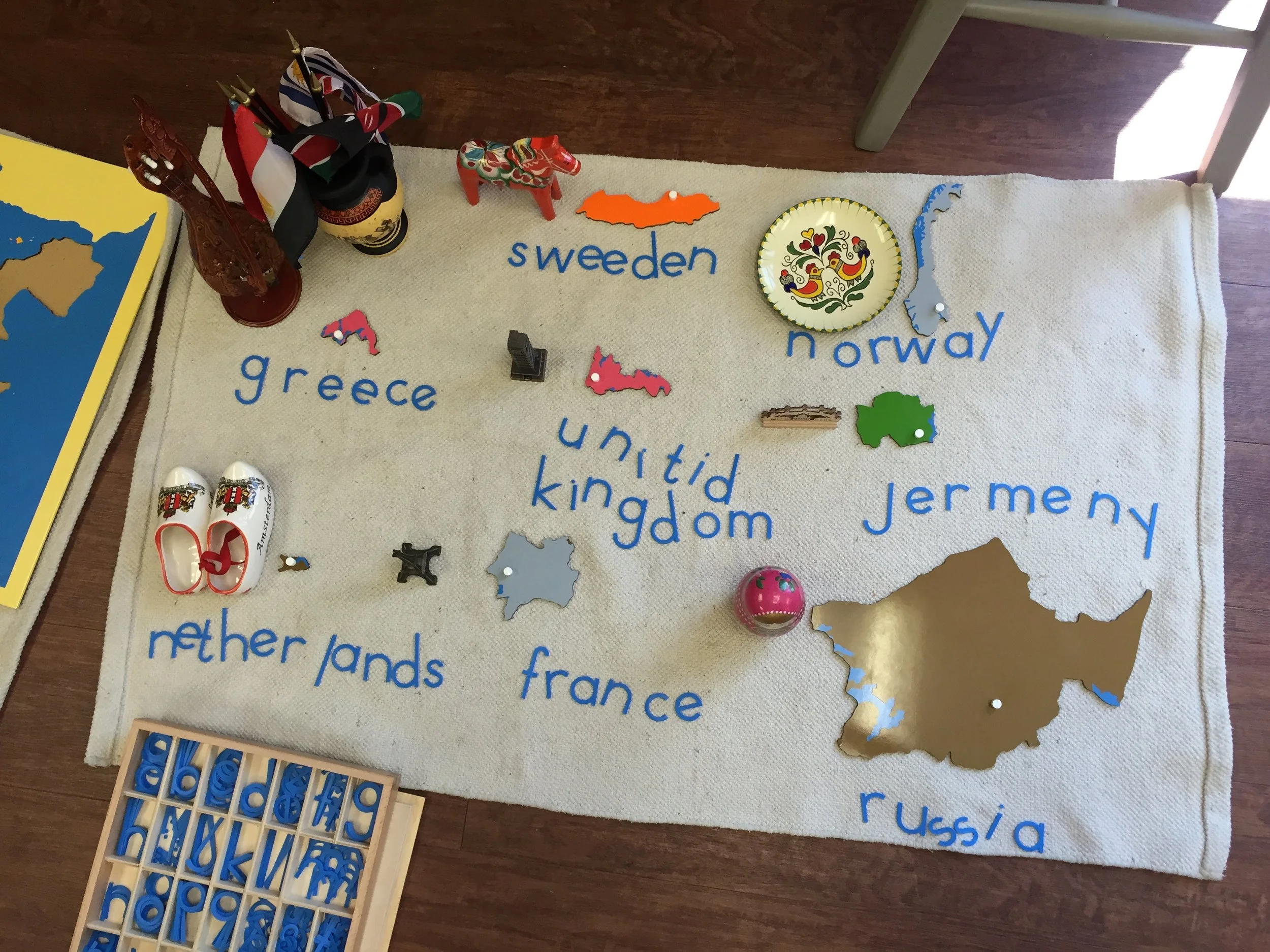
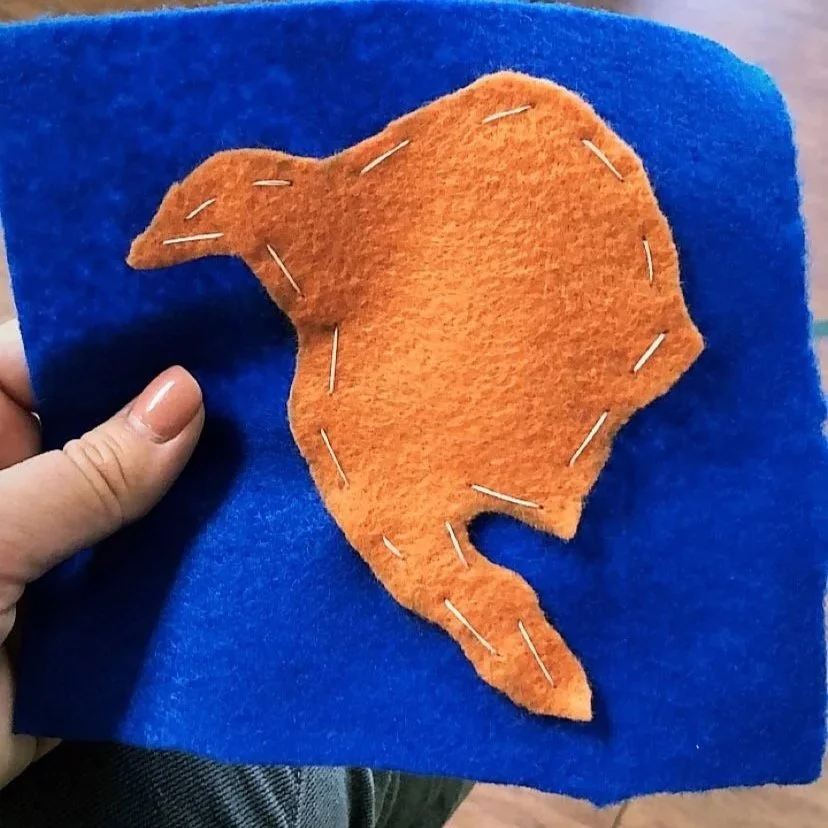
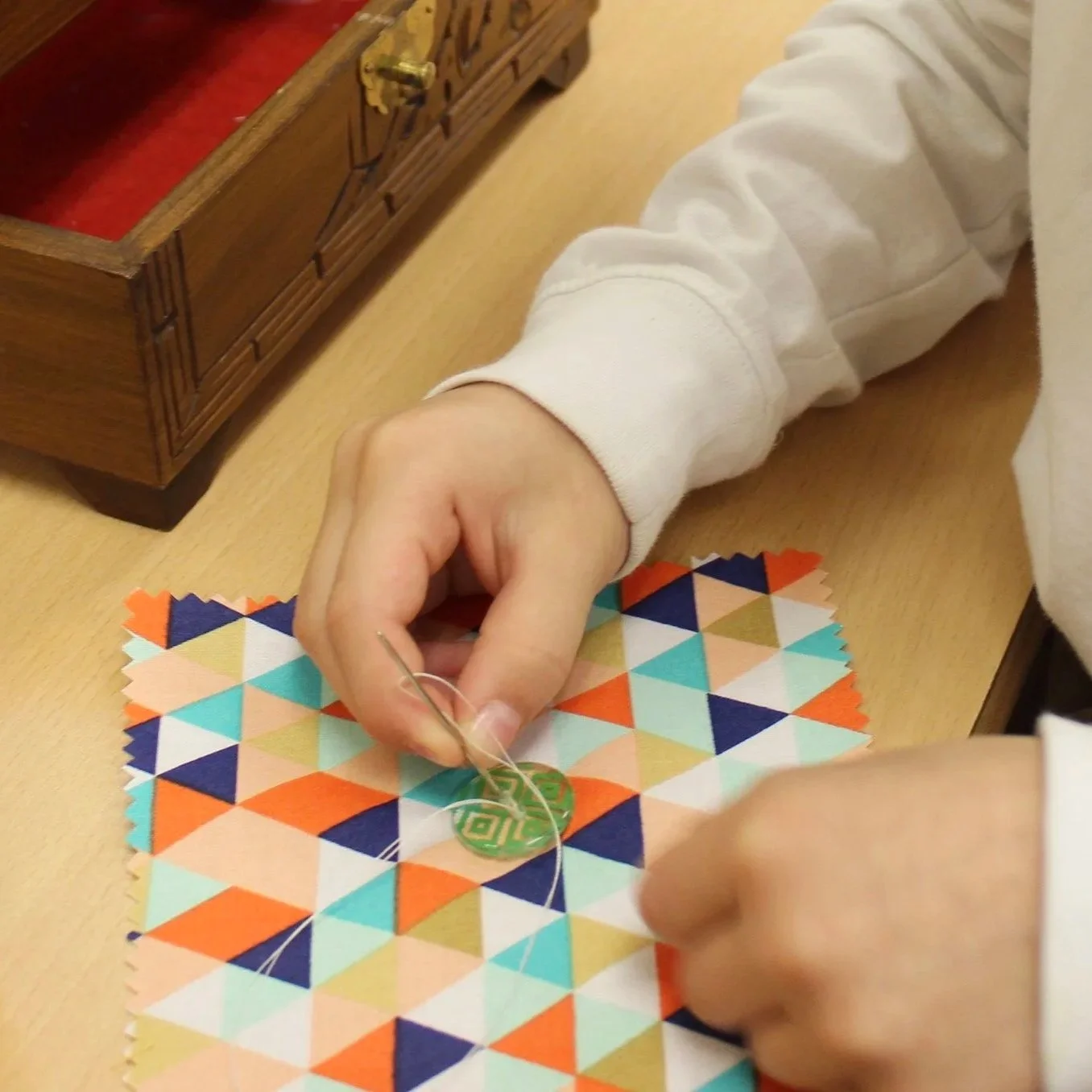
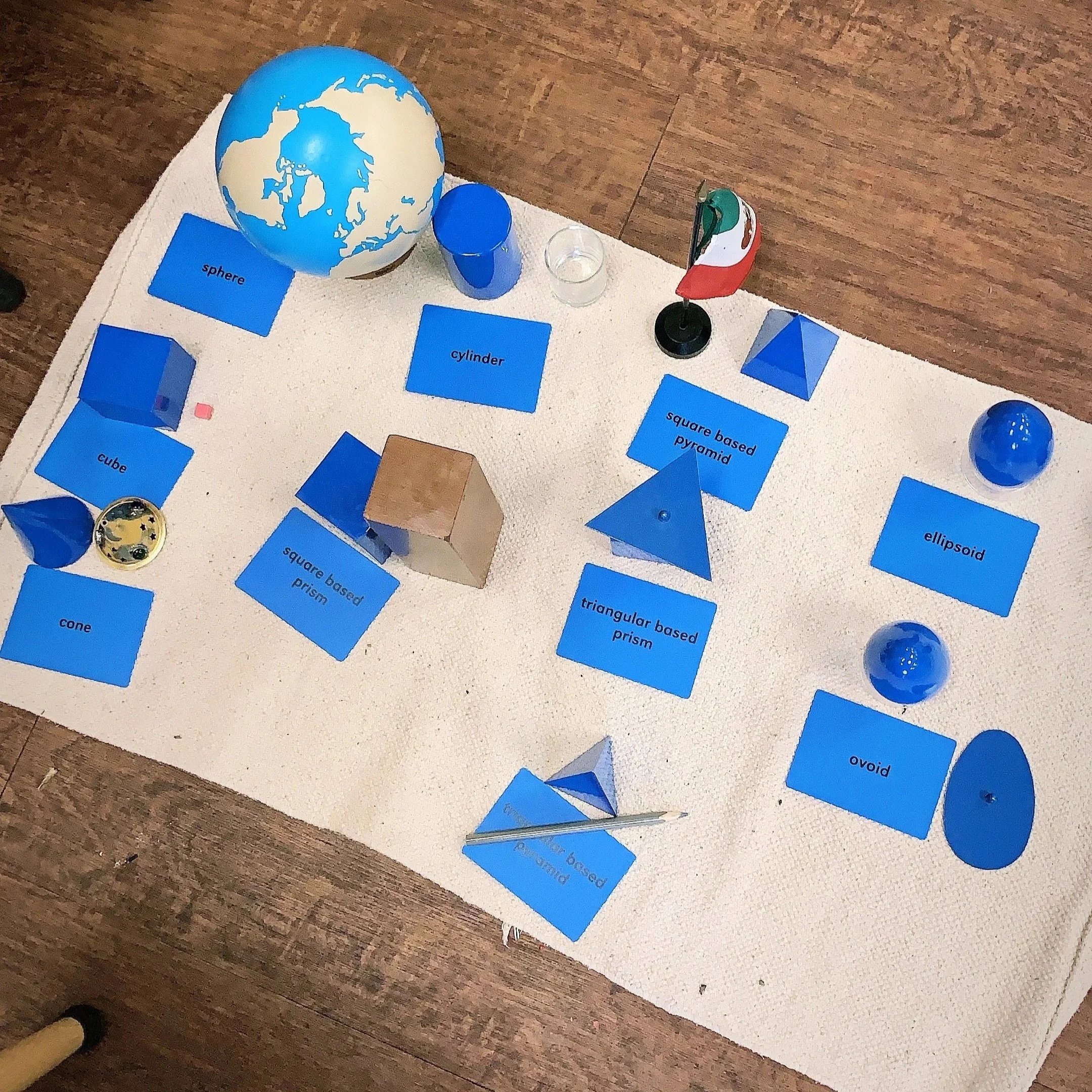
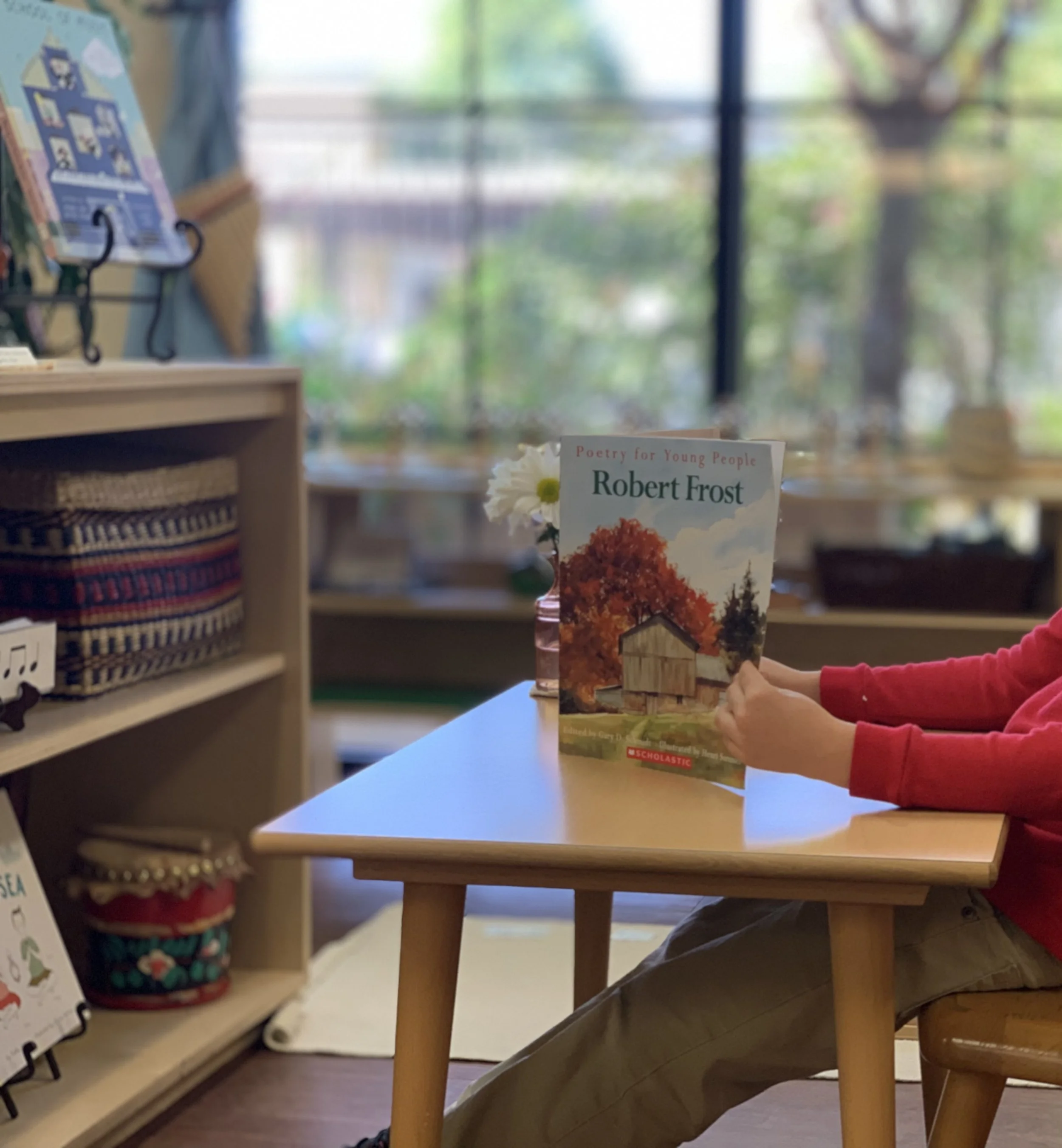
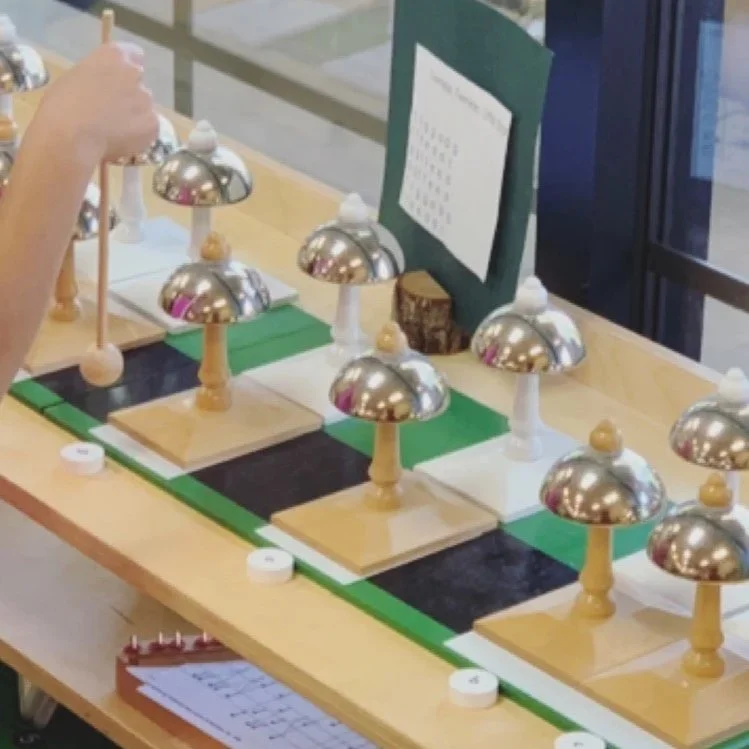
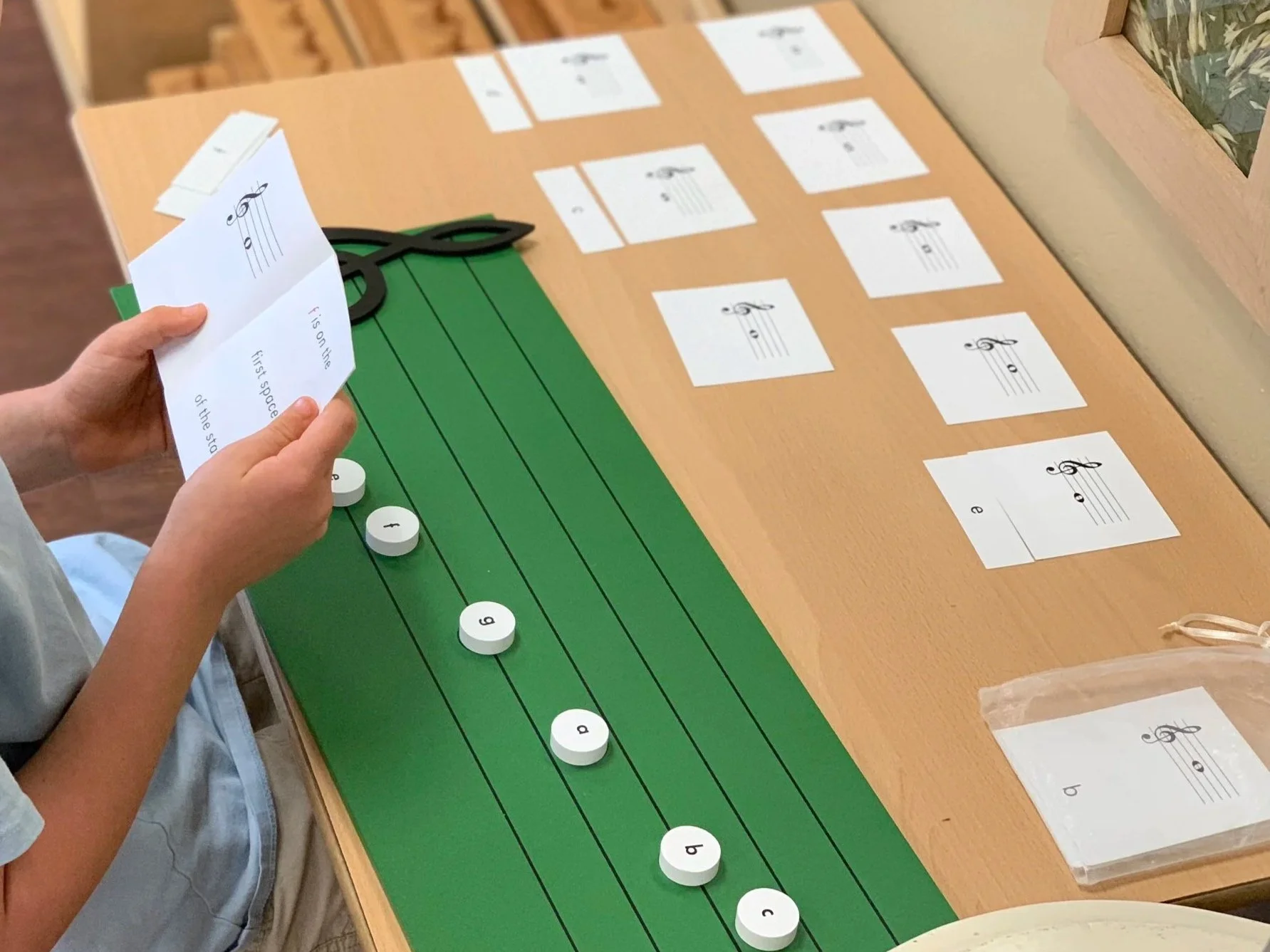
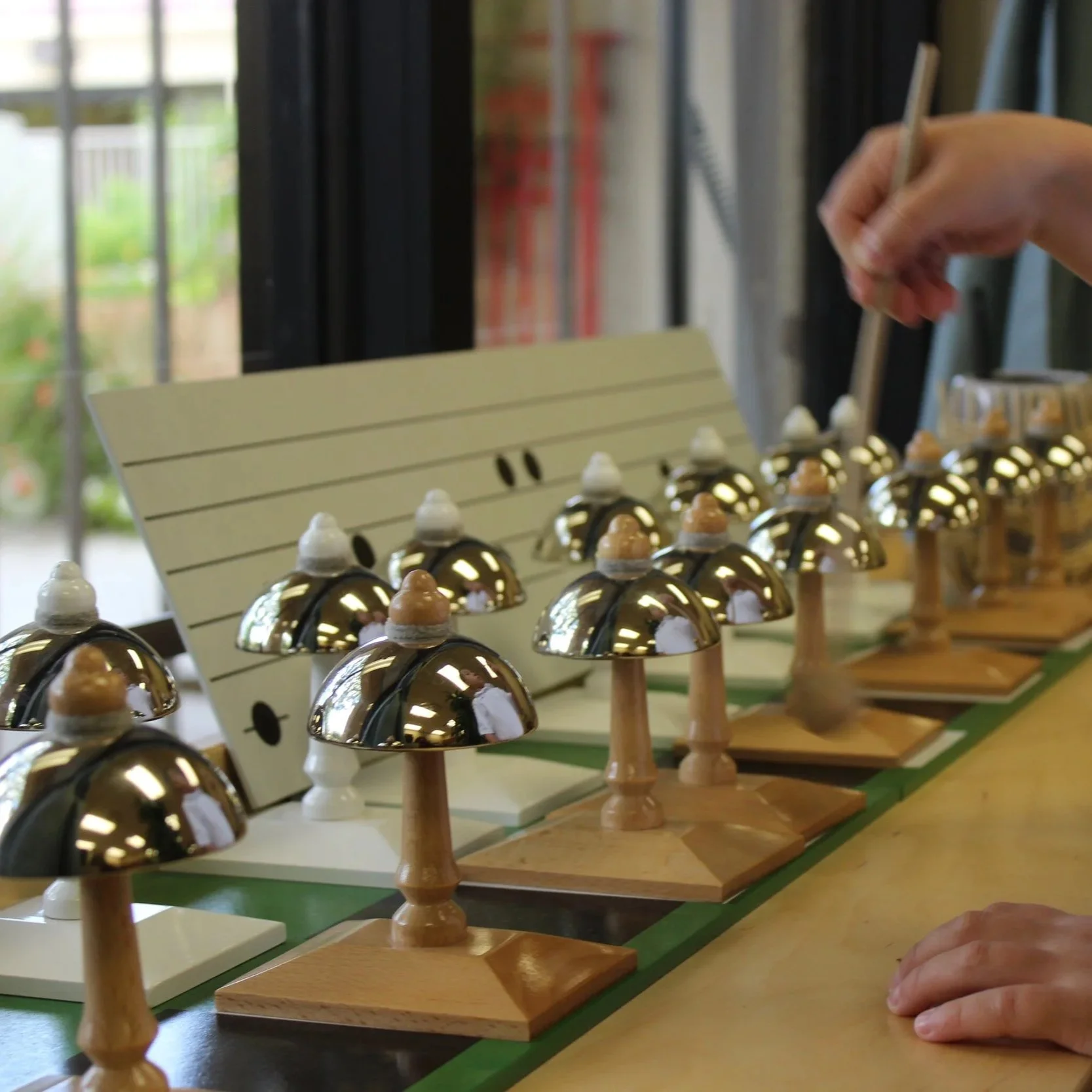
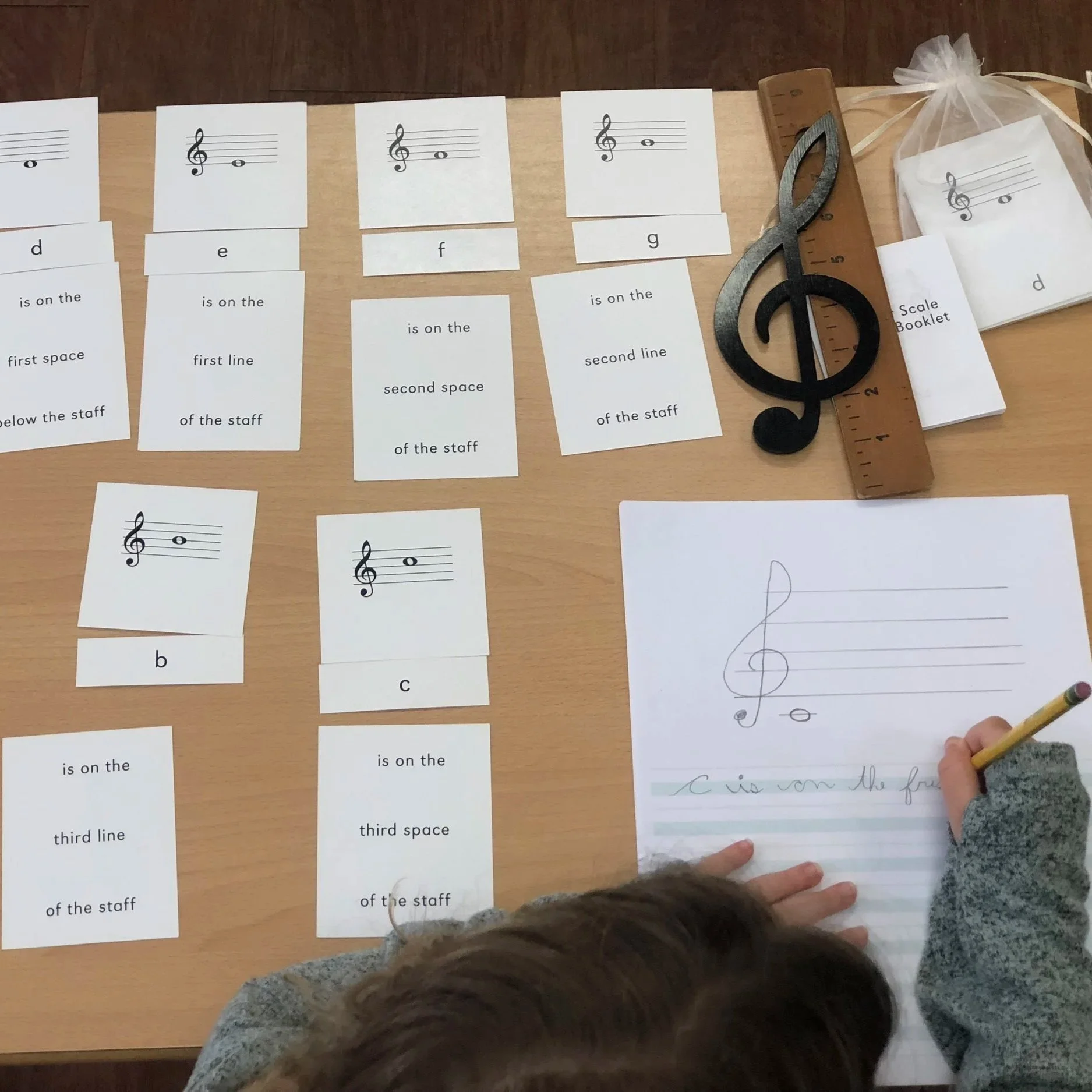
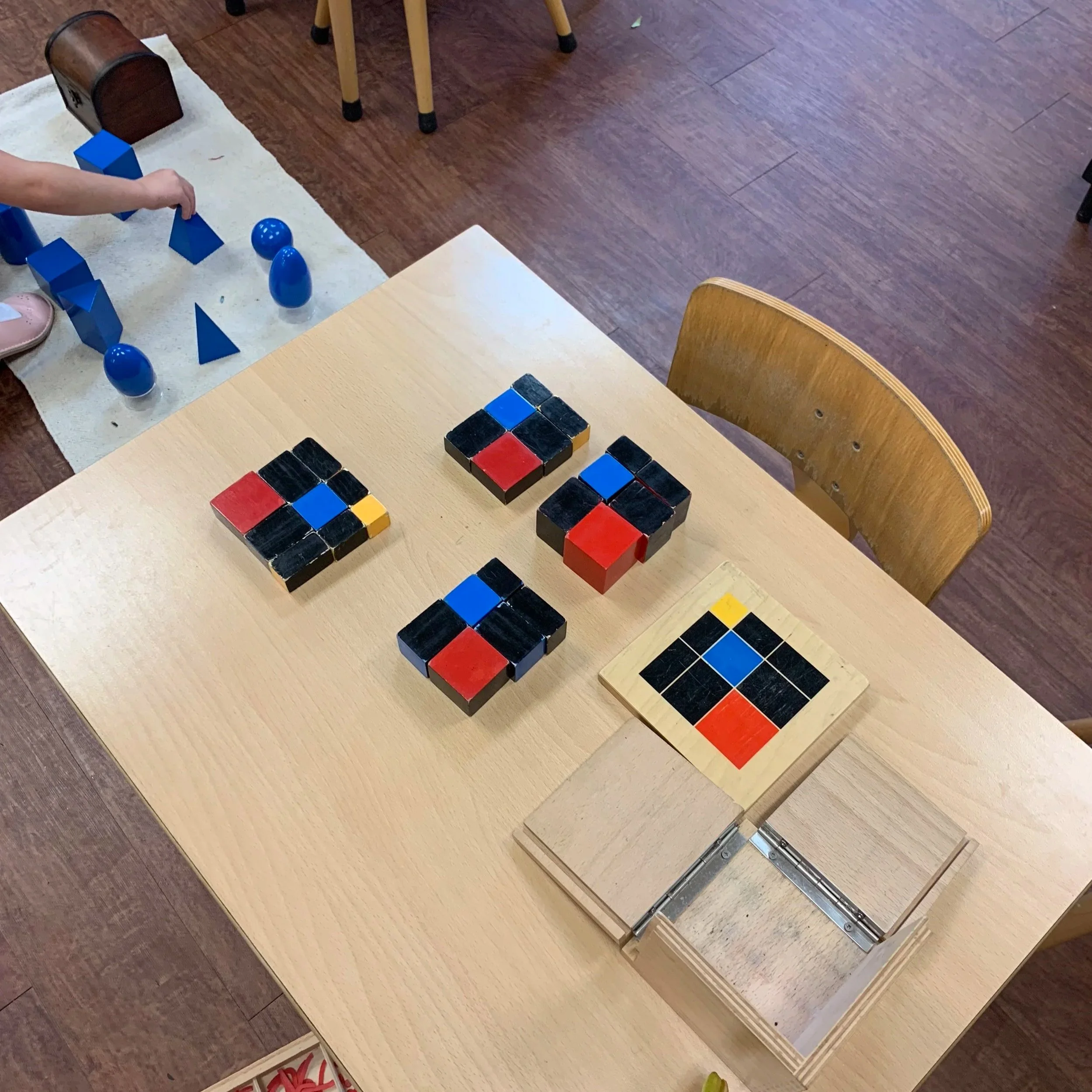
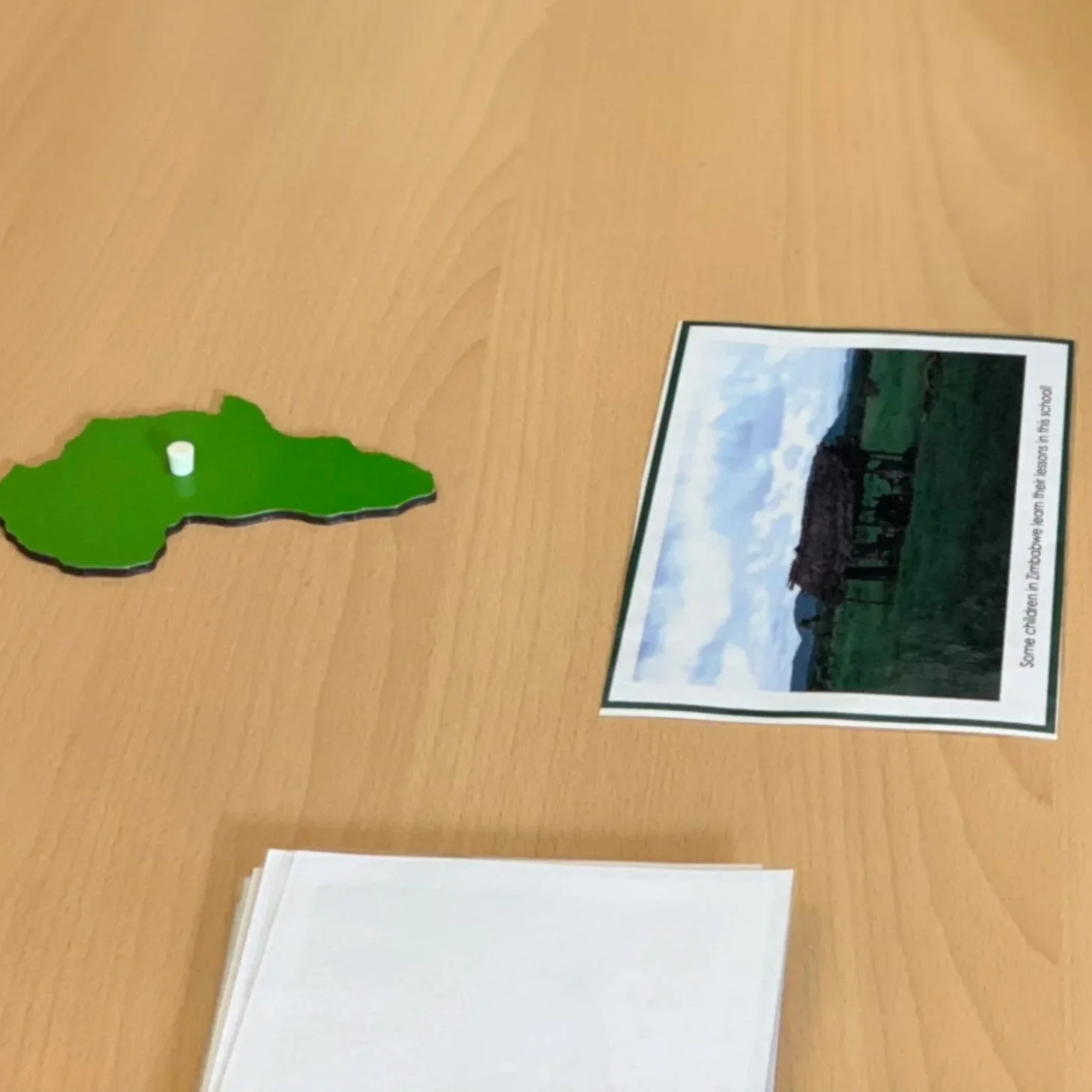
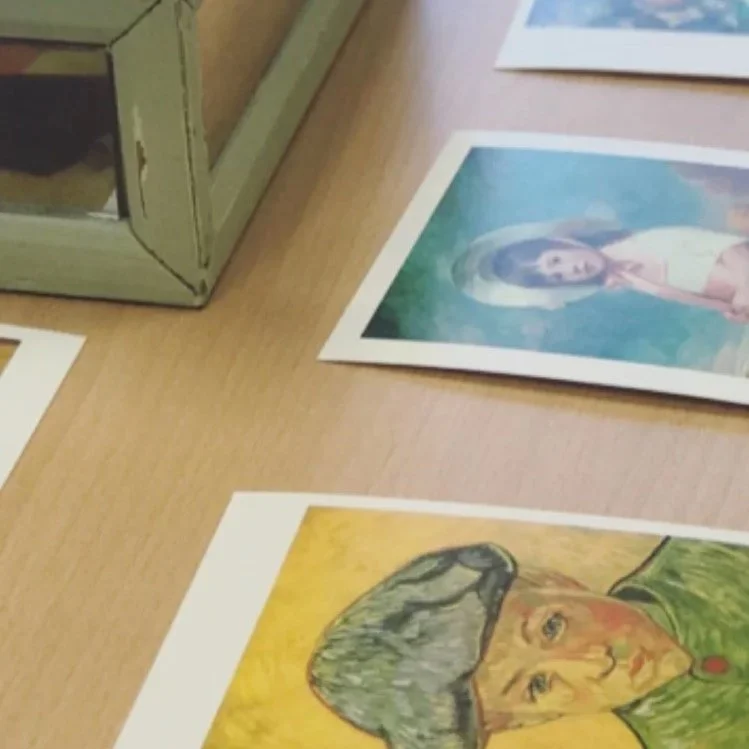
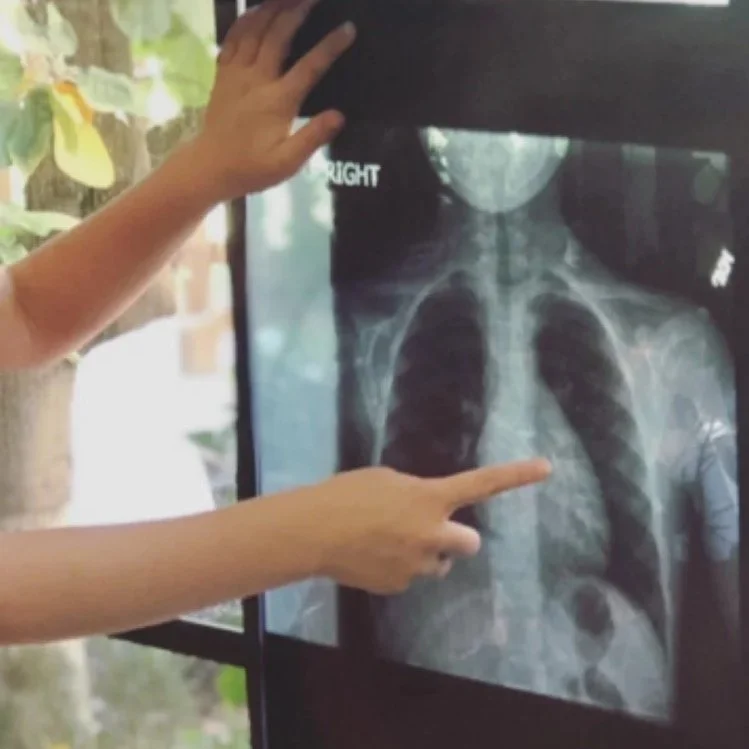
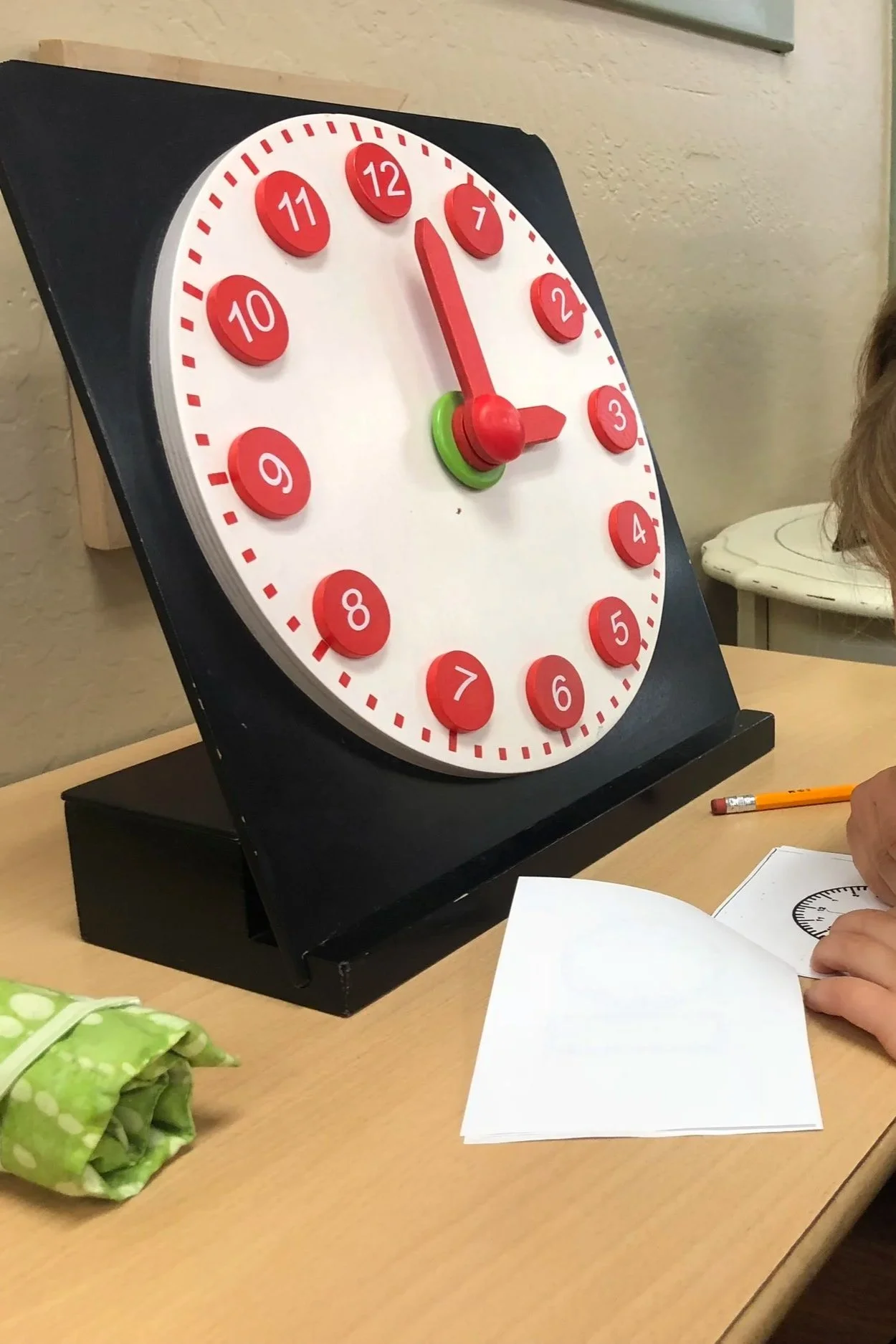
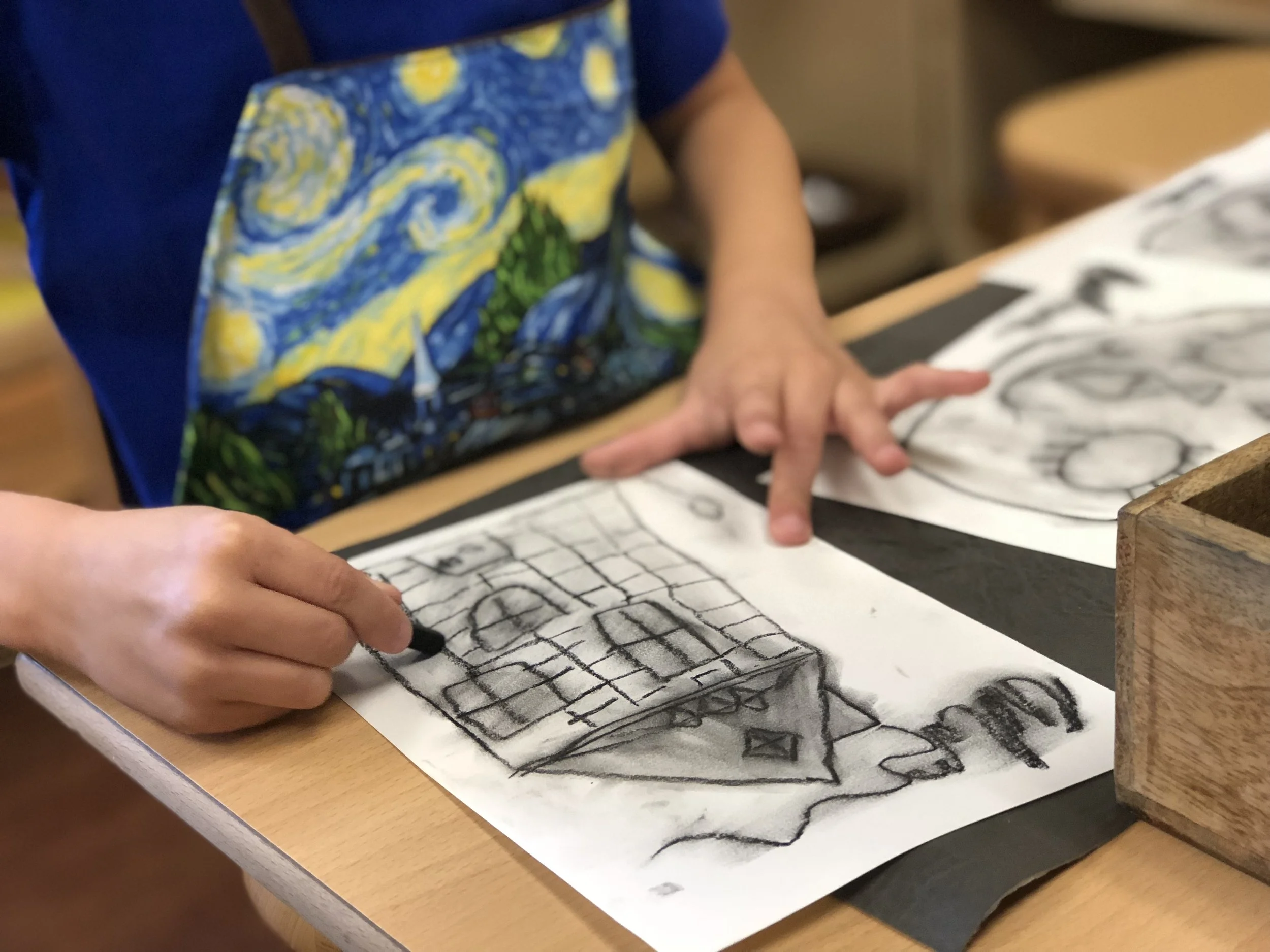
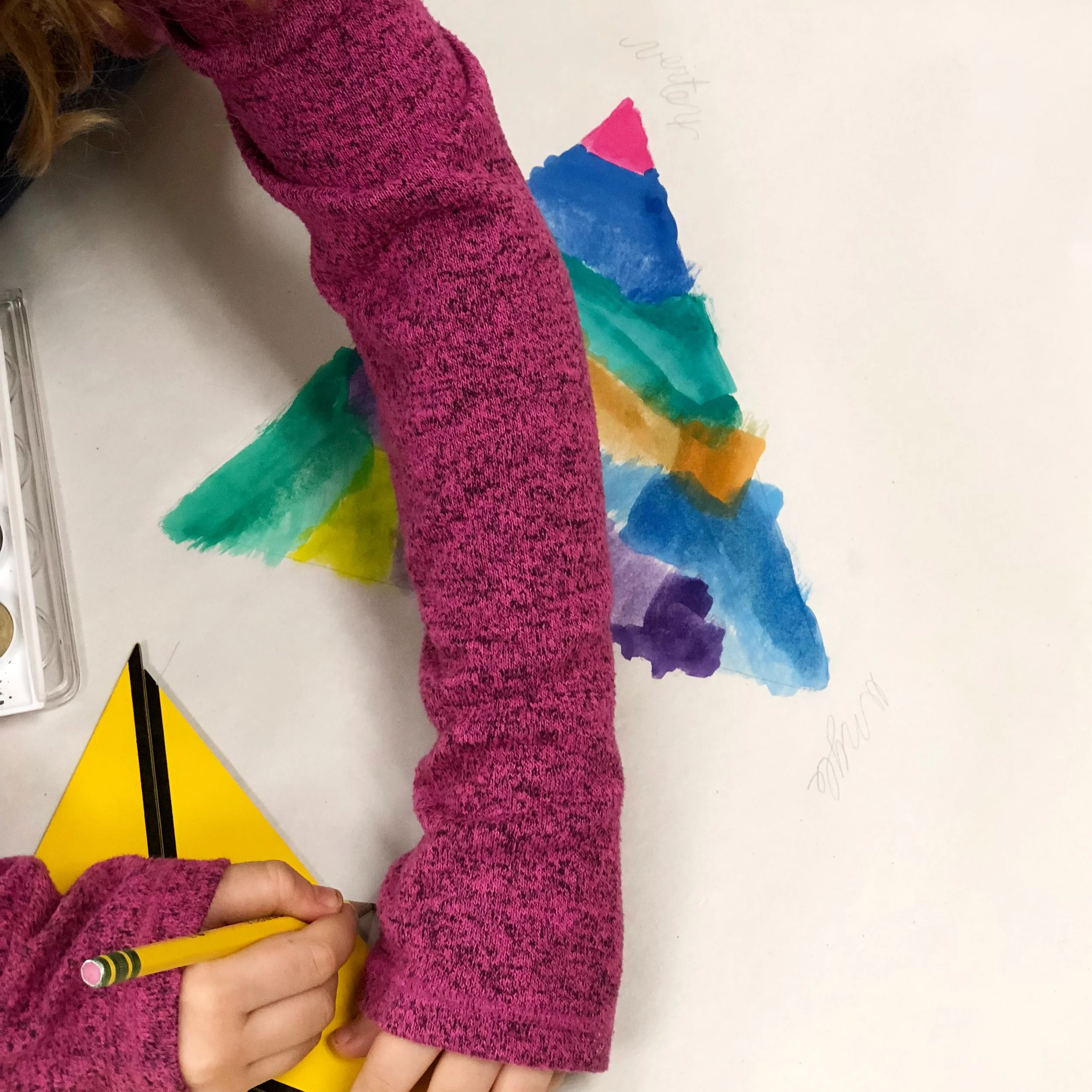
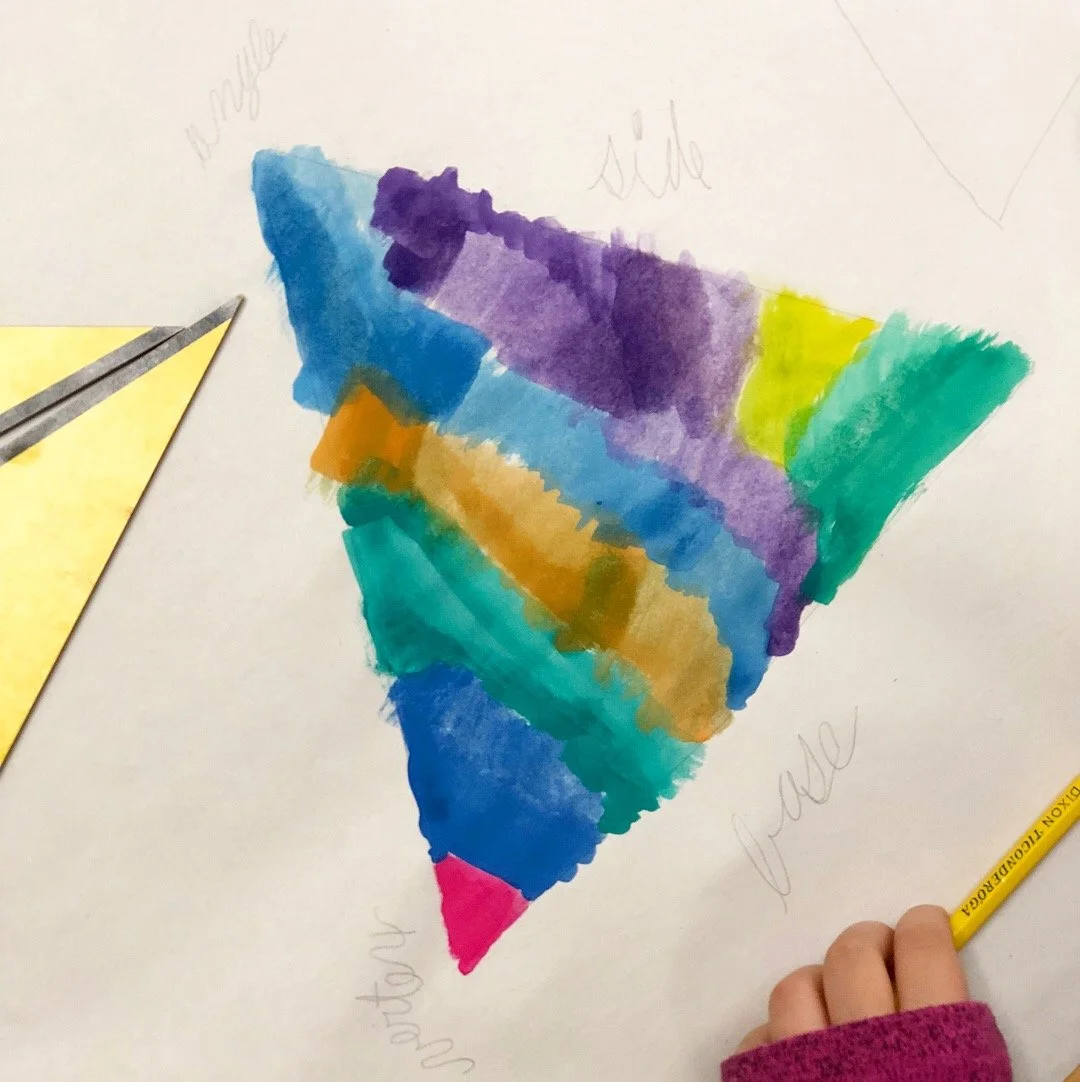
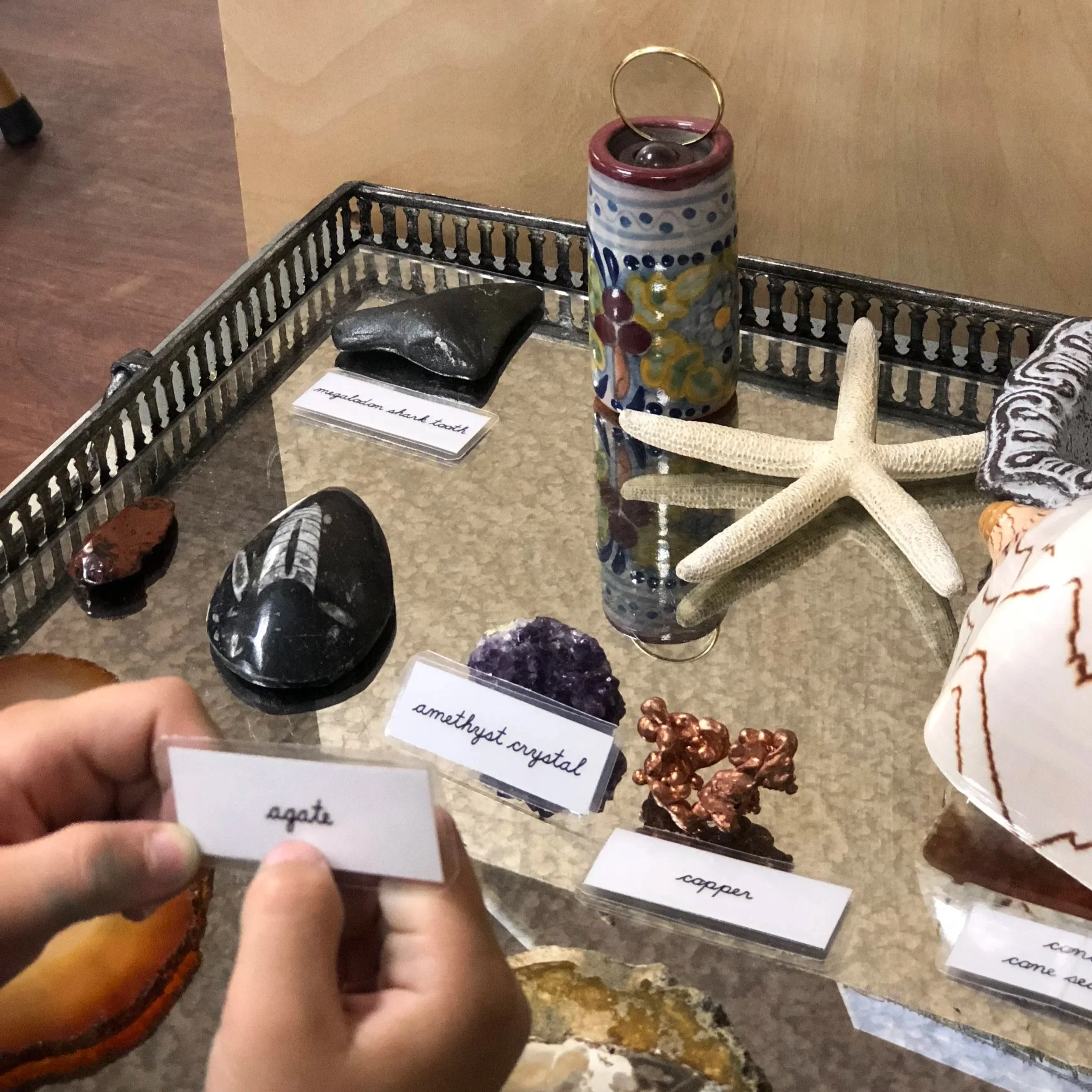
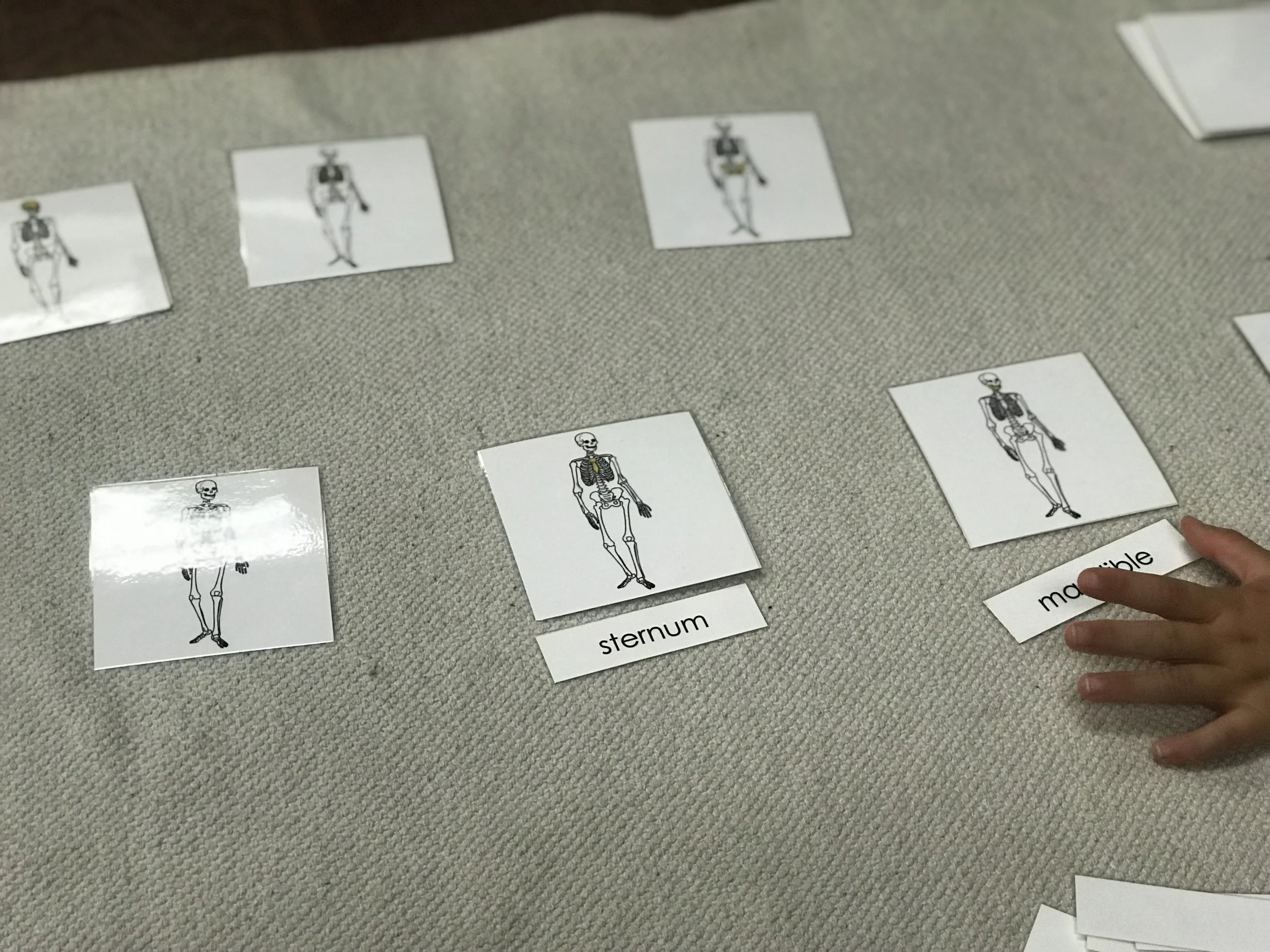
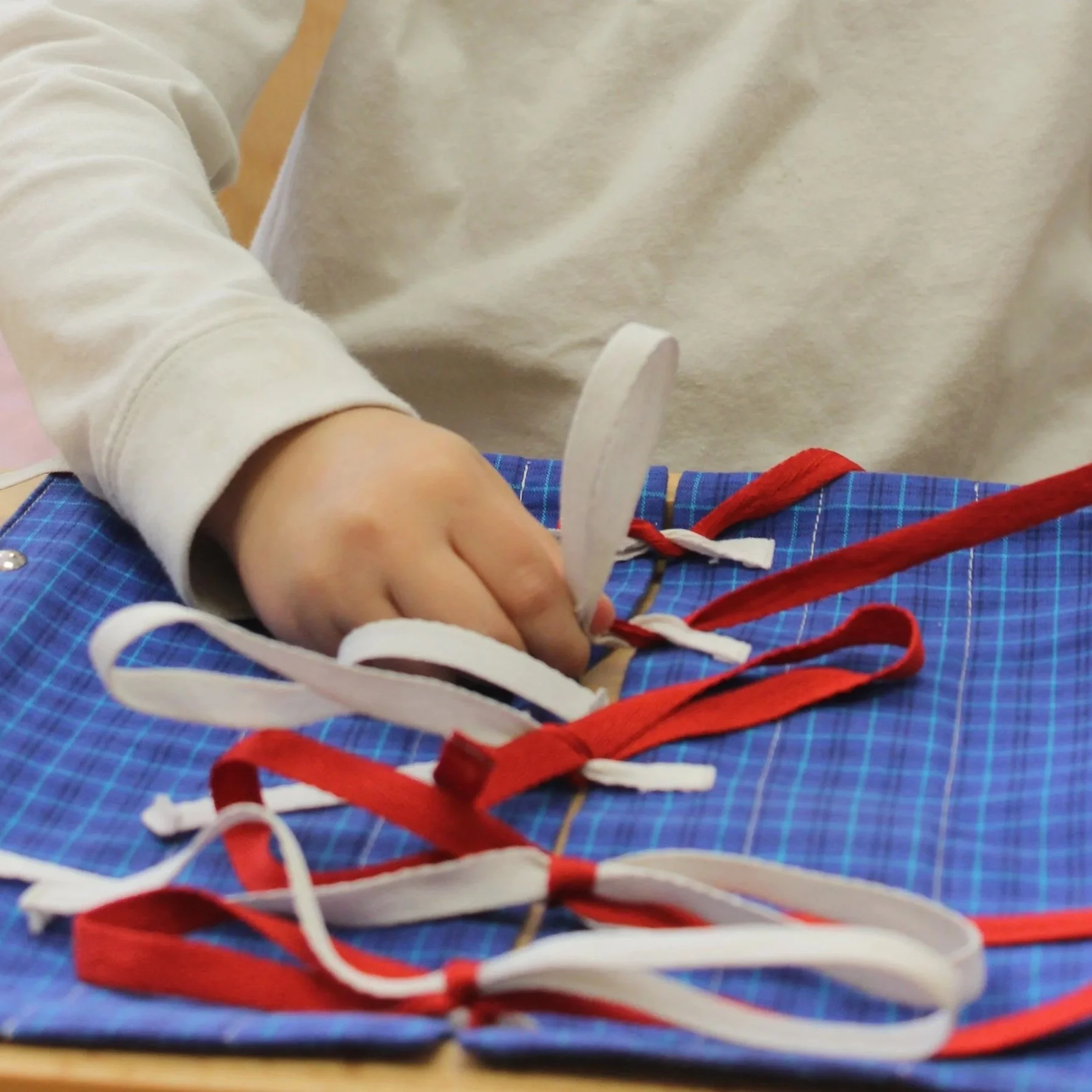
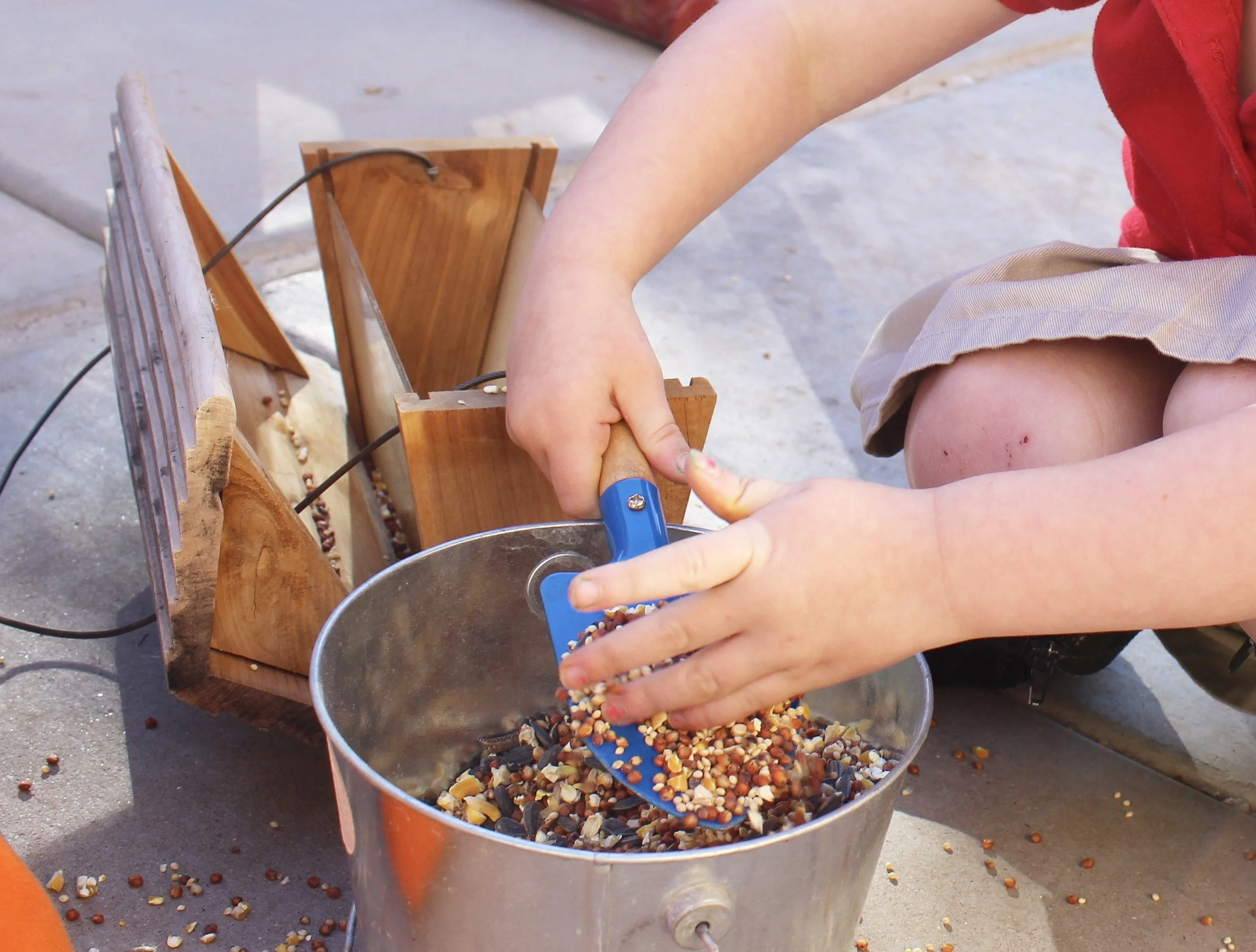
The slideshow below is a glimpse into the second and third years of Primary, where everything begins to crystallize. This looks very different from a traditional preschool, transitional kindergarten, or worksheet-driven kindergarten classroom. It is not centered on screens, AI tools, or adult-prescribed pacing. It is centered on the whole child.
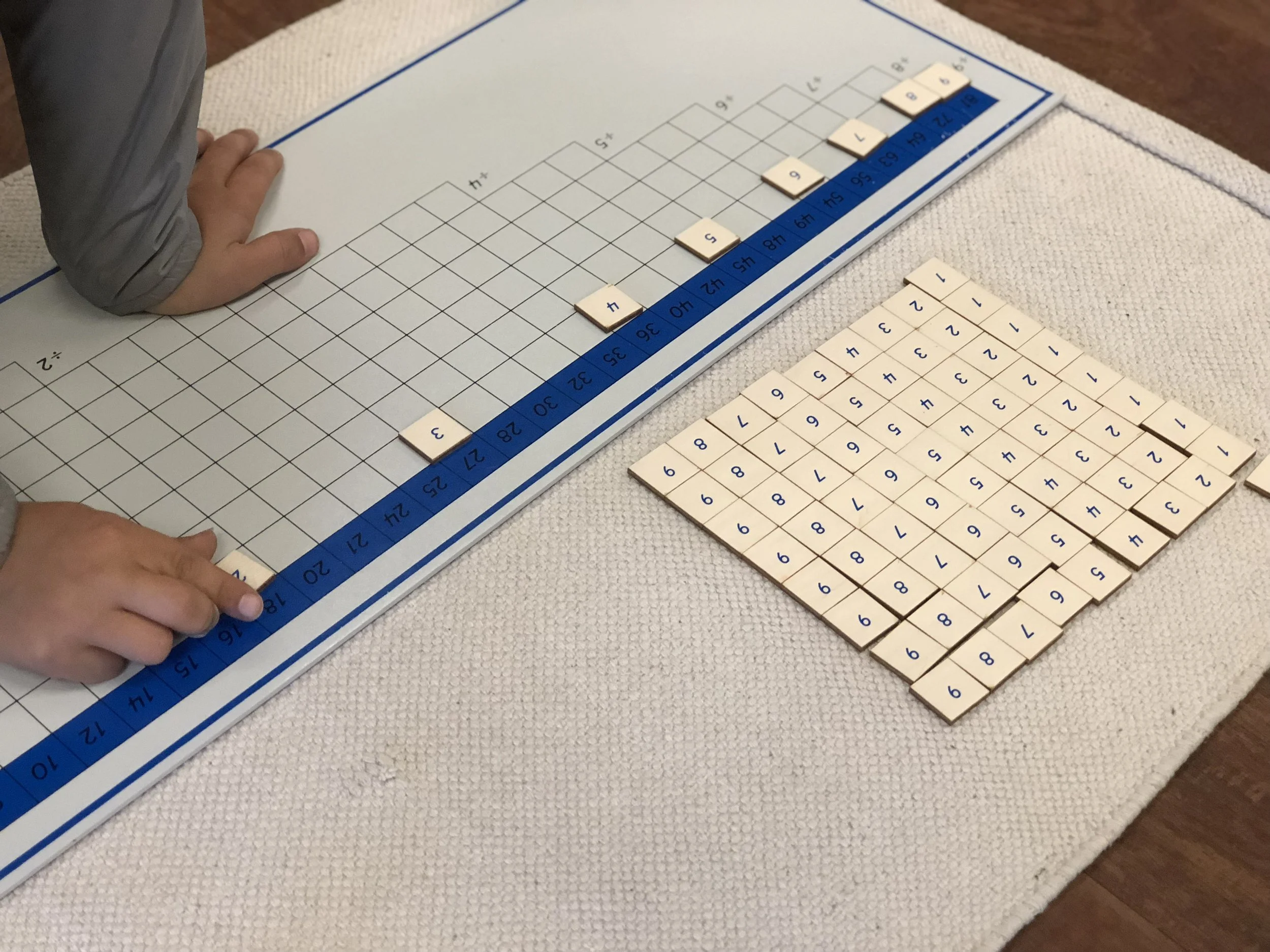
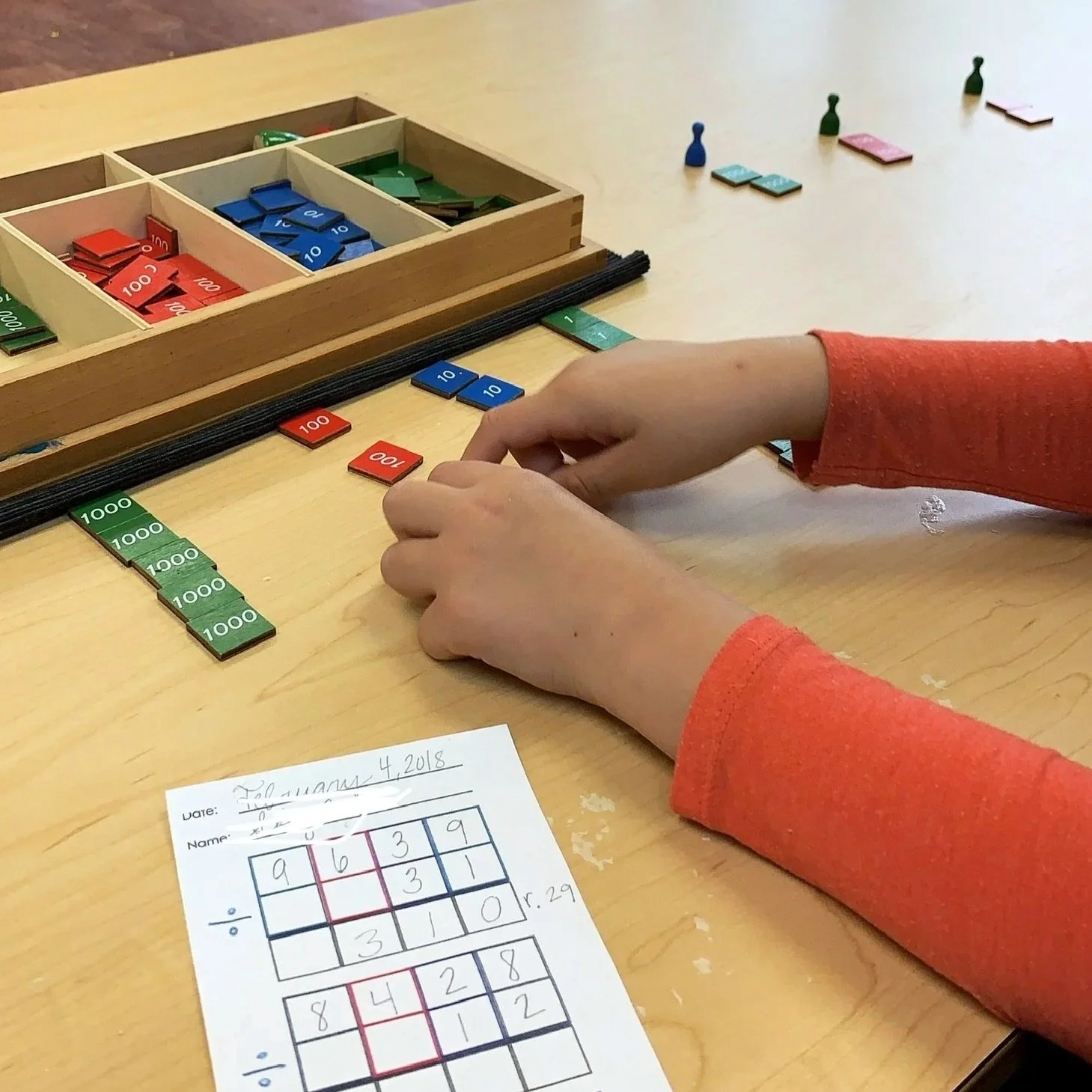
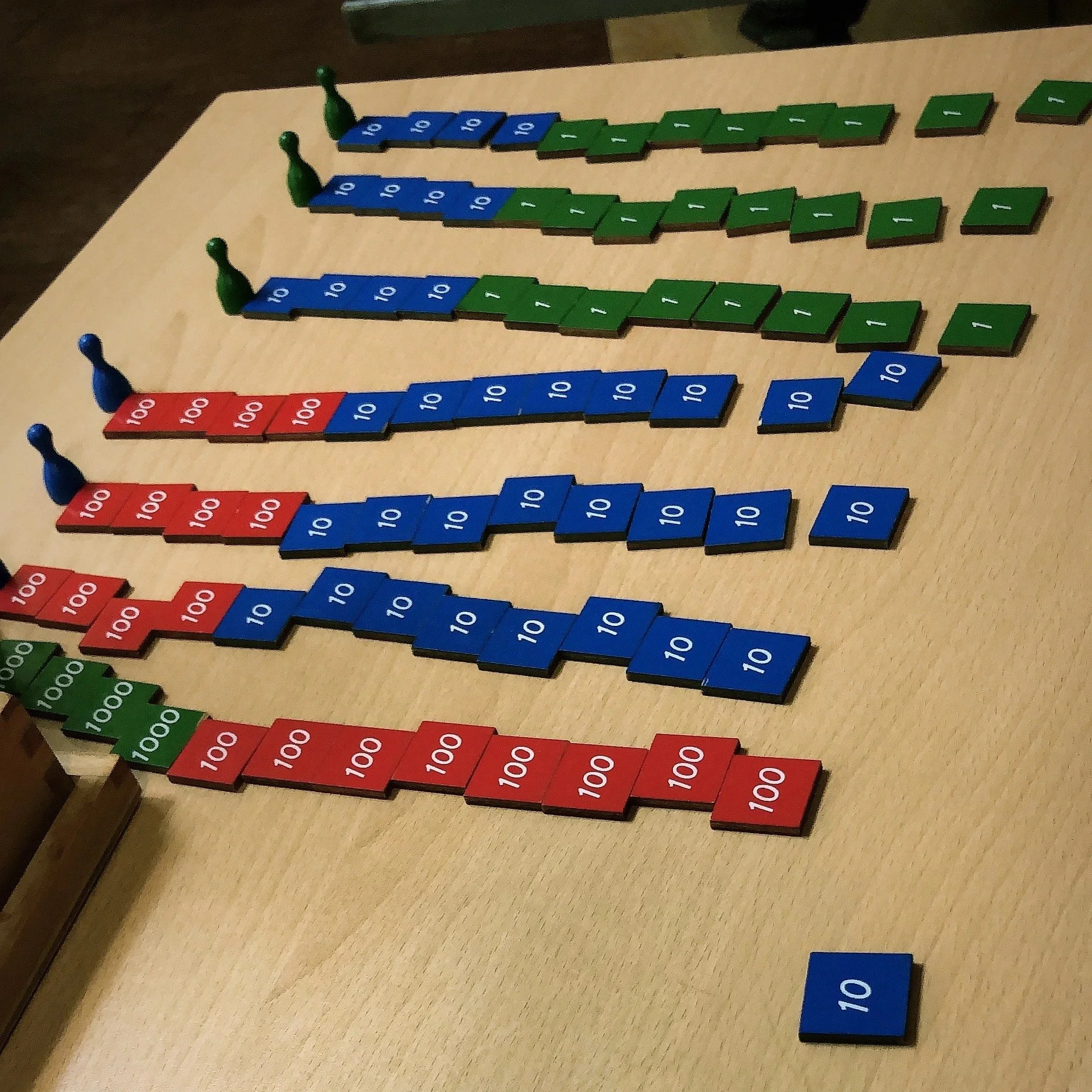
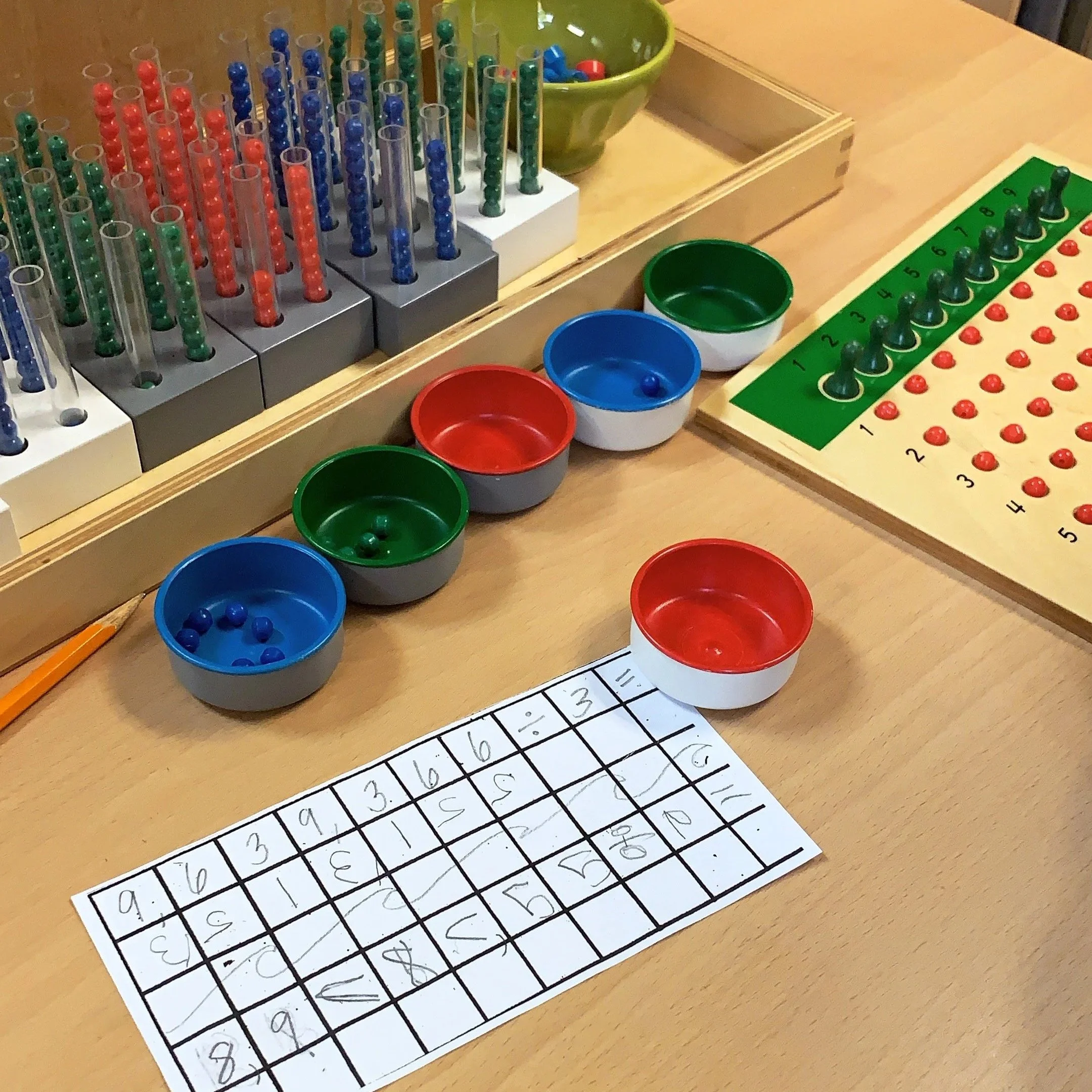
This is the unveiling of concrete to abstract. What begins in the hands becomes organized in the mind. Repetition becomes mastery. Foundations peak. Perseverance strengthens. In the final year of Primary, skills solidify and confidence expands. The “keys to the world” are no longer introductions, they are internalized.
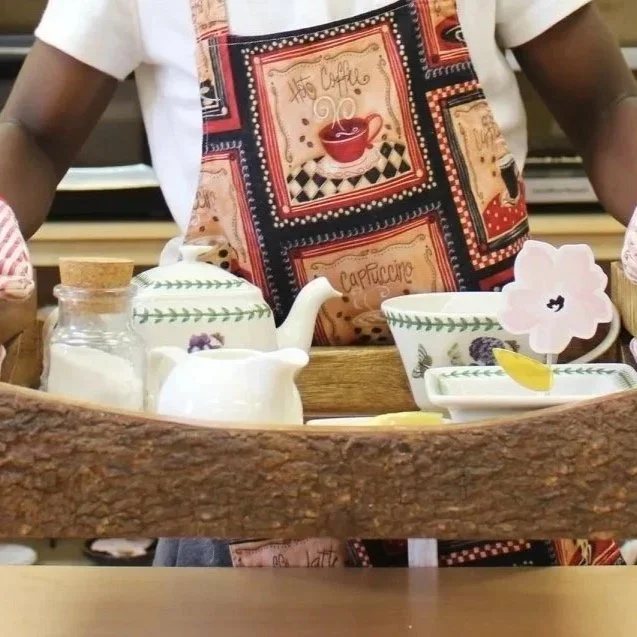
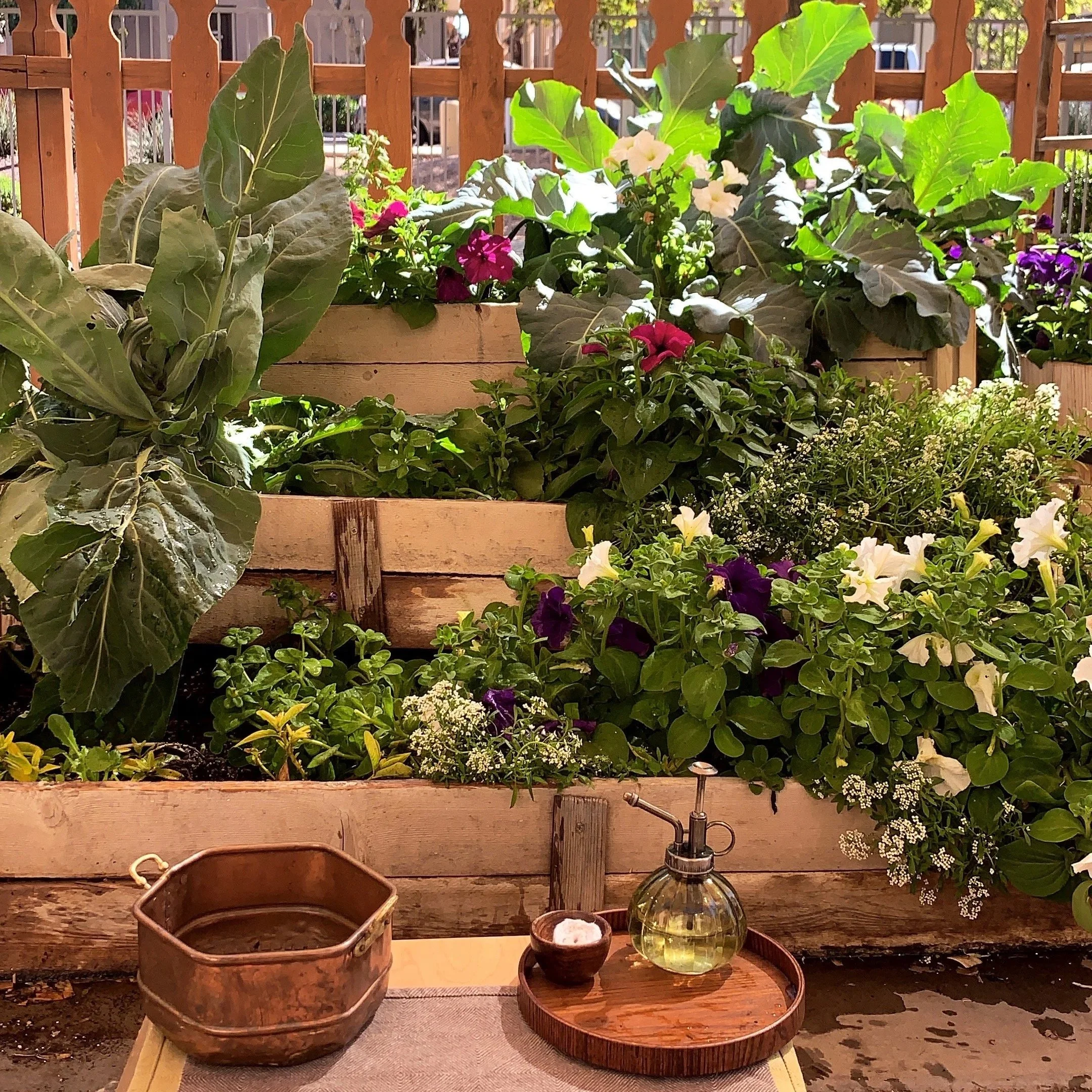
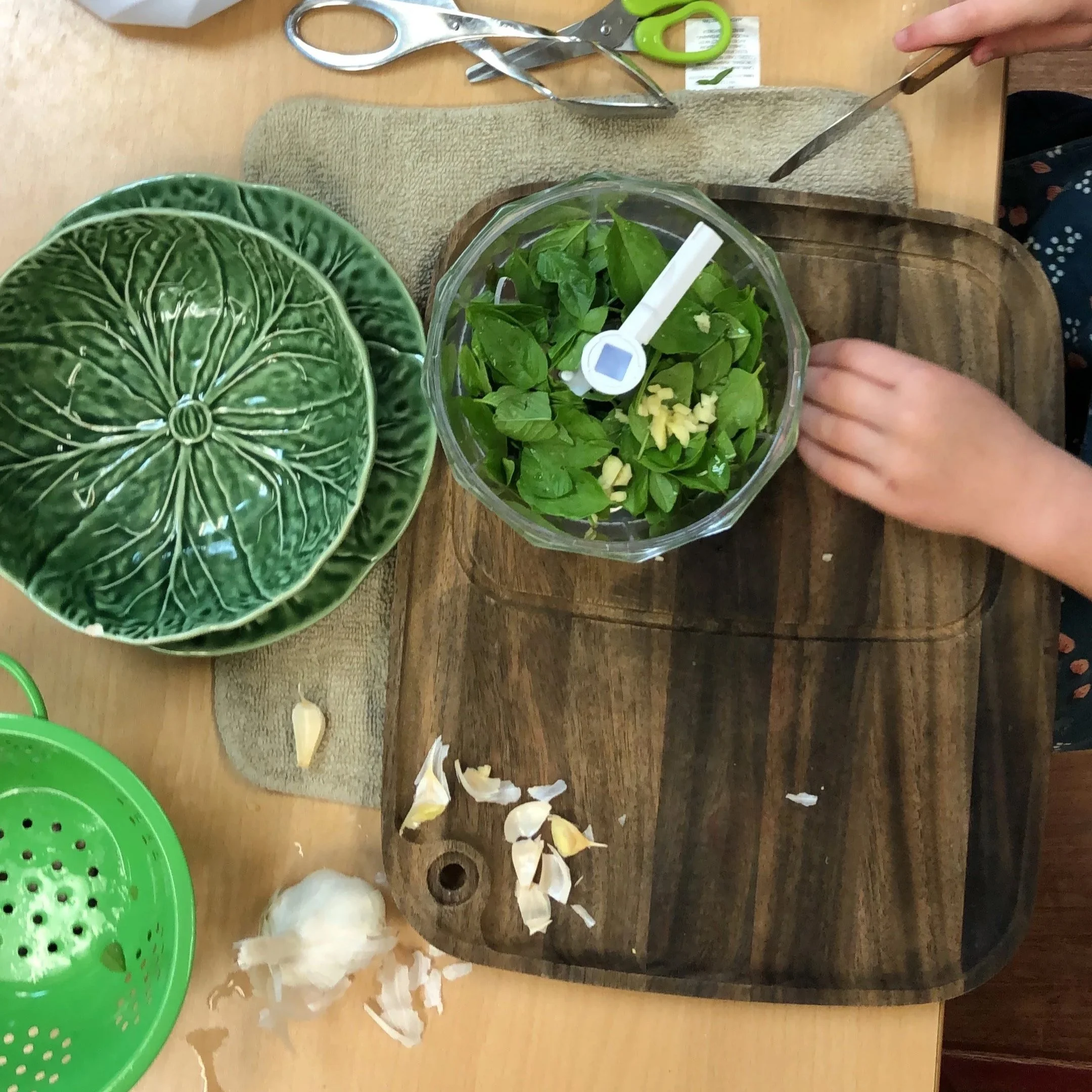
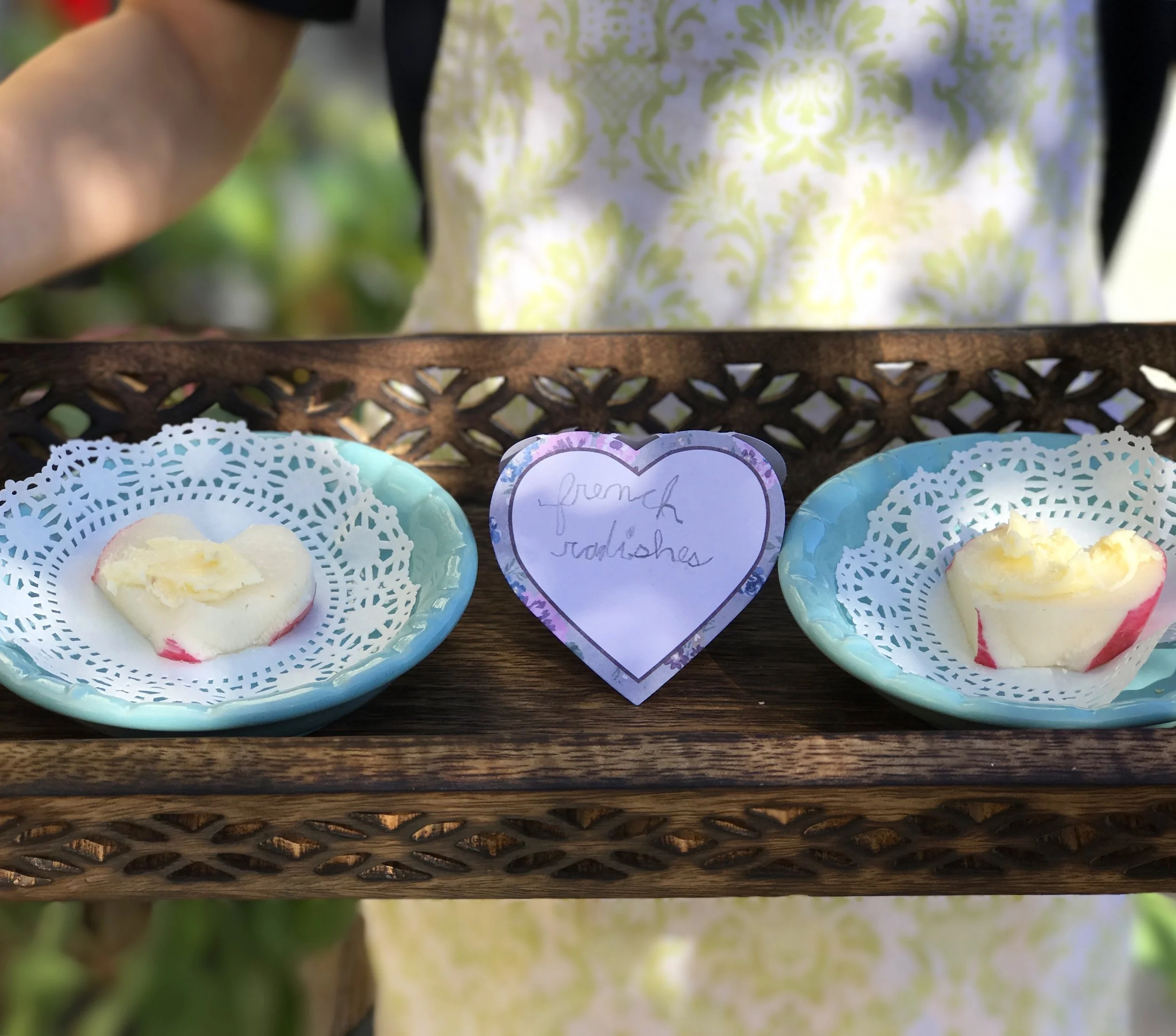
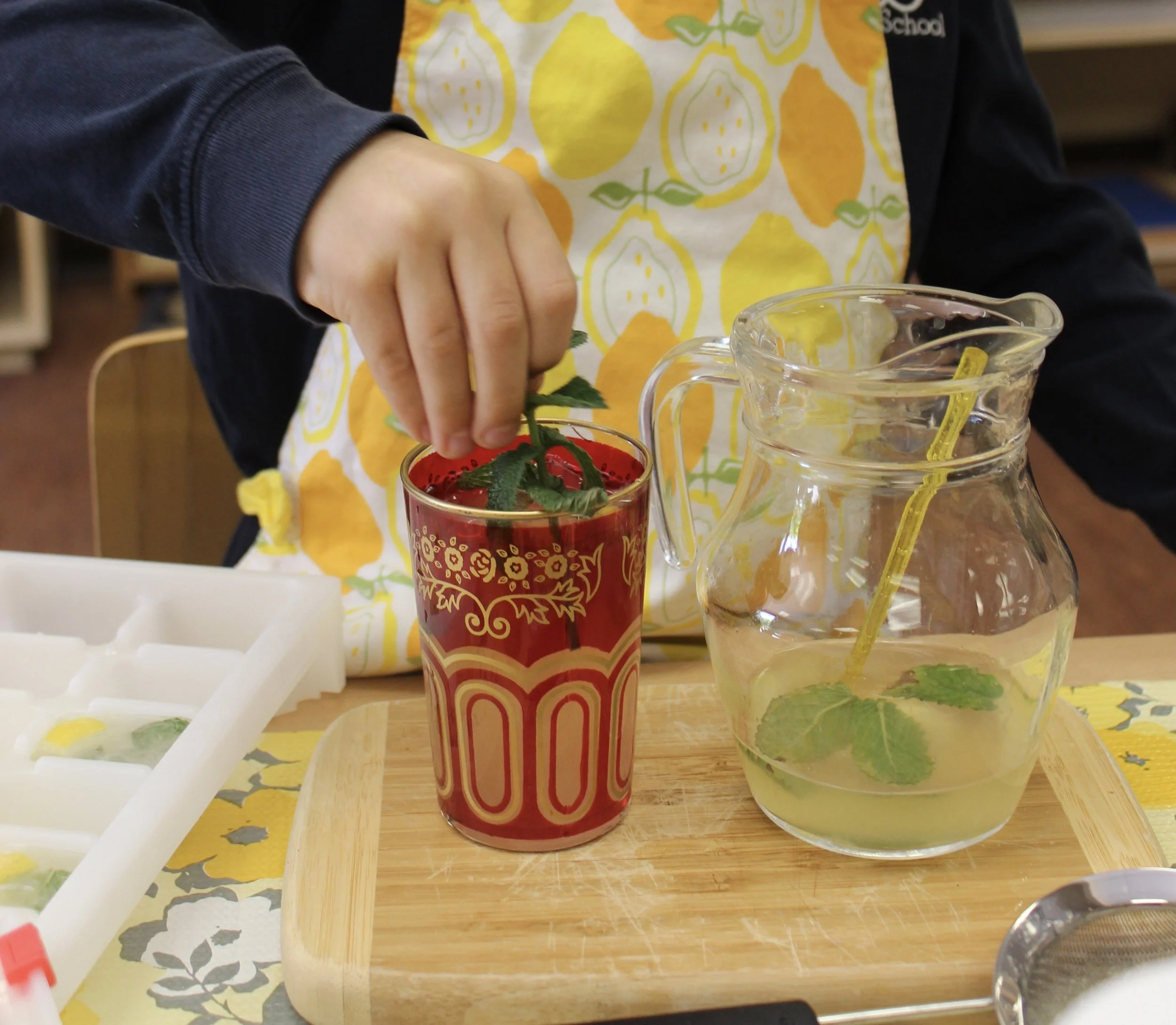
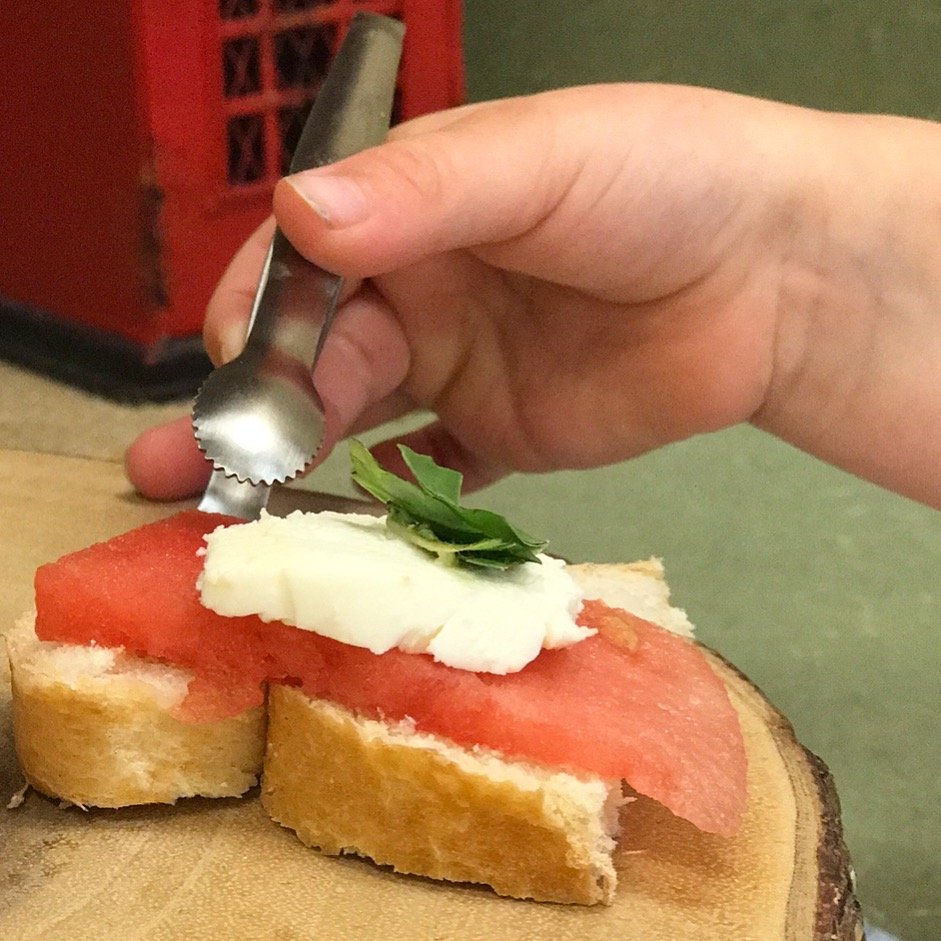
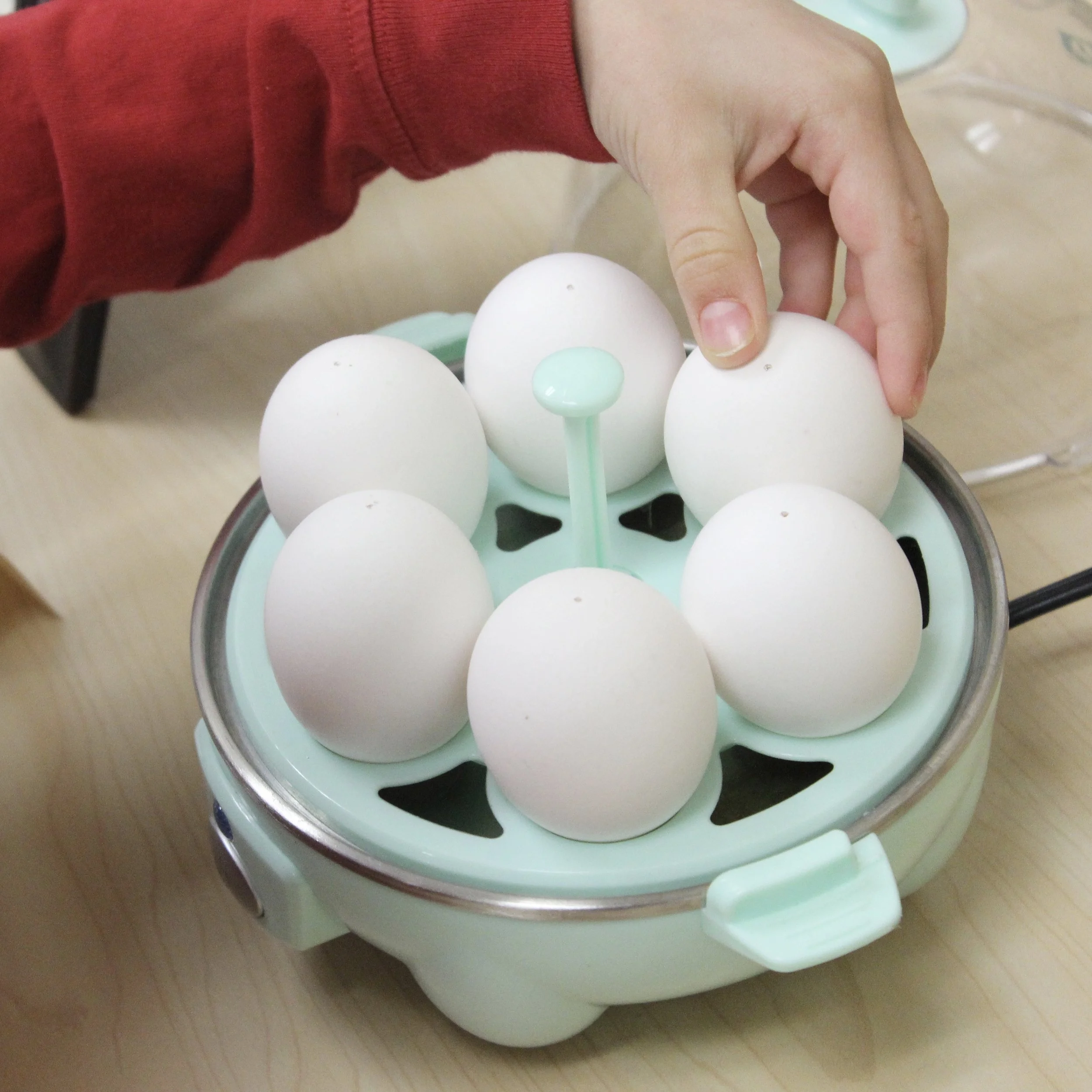
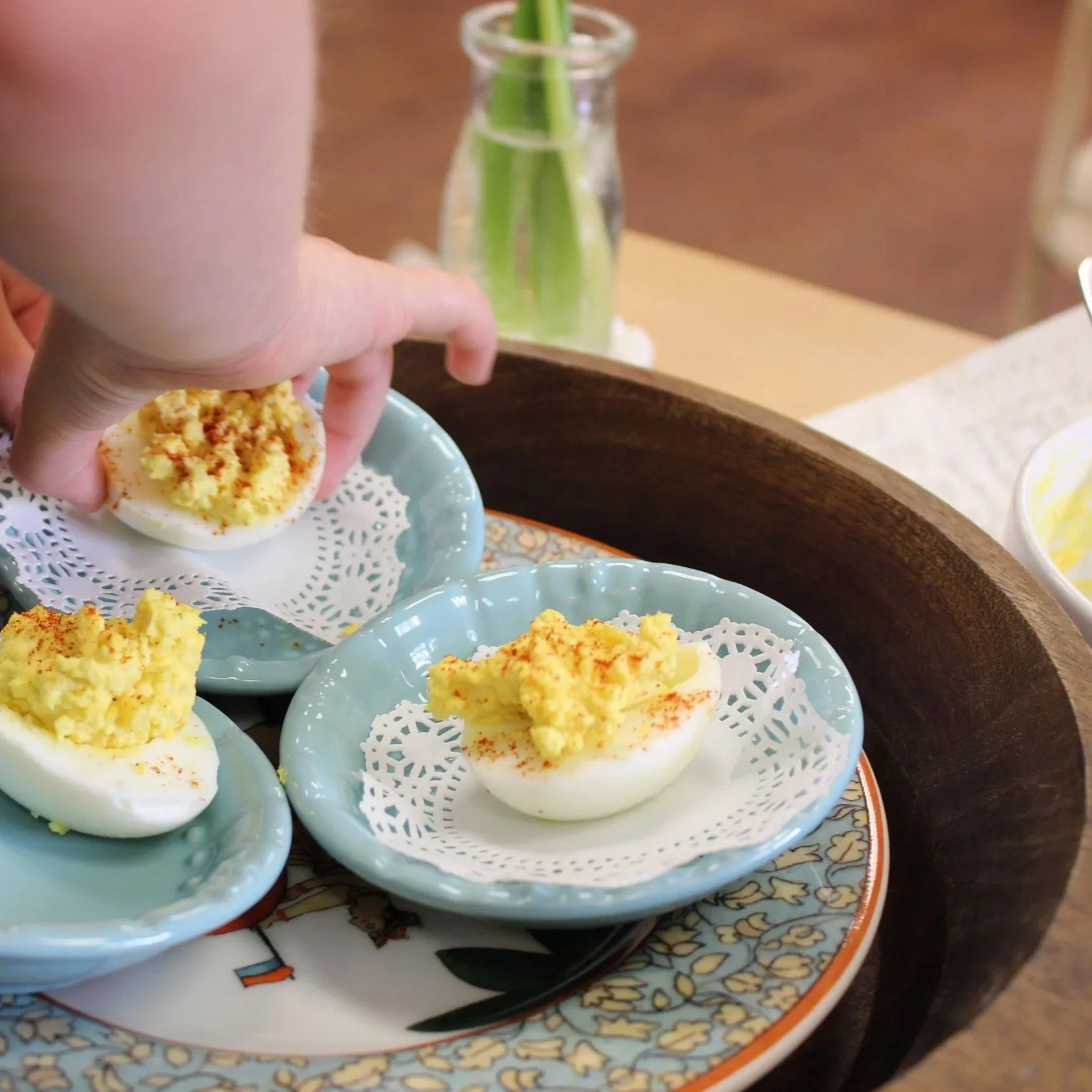
What you are seeing in these materials and moments is the strengthening of focus, memory, problem-solving, self-regulation, and independent decision-making. Language deepens. Mathematical reasoning sharpens. Identity as a capable learner crystallizes. This is not simply preparation for first grade. It is the careful building of a lifelong love of learning.


Why Completing the Three-Year Cycle Matters
When a child leaves after two years to attend a traditional kindergarten or transitional program, they often miss the very year that integrates everything.
The third year is where academic abstraction accelerates naturally because the foundation is secure.
It is where executive functioning becomes visible.
It is where identity as a learner crystallizes.
The Montessori Primary cycle is not preschool plus kindergarten. It is a cohesive developmental journey grounded in brain science, child development, and respect for the whole child.
Children who complete the three-year cycle leave not only academically prepared for first grade, but cognitively organized, socially grounded, and internally motivated.
We protect childhood.
We prioritize depth over speed.
We trust the developmental process.
Kindergarten belongs in Primary because it is not the beginning of something new. It is the beautiful completion of something intentionally built.